

Inviting a remodeling contractor into your home is one of the bigger financial and emotional decisions you'll make, and we understand why it feels high-stakes. Here's the short answer: a good remodeling contractor coordinates the design, permits, trades, construction, inspections, final walkthrough, and the support that comes after. In Bellevue, shortlist a company with active Washington L&I registration, verifiable bond and insurance, relevant completed work, a detailed written scope, and a clear process for communication and changes. Keep one distinction in mind as you read: legal qualifications and craftsmanship-and-fit are two different things. You want both.
What Does a Home Remodeling Contractor Actually Do?

The role is broader than swinging a hammer. A capable home remodeling contractor handles the full arc of a project:
- Consultation and scope development
- Custom design and material selection
- Permits, inspections, and local building code compliance
- Coordinating skilled trades like plumbing, electrical, and tile
- Managing the construction schedule
- Protecting your home and cleaning up daily
- Final walkthrough, warranty, and post-project support
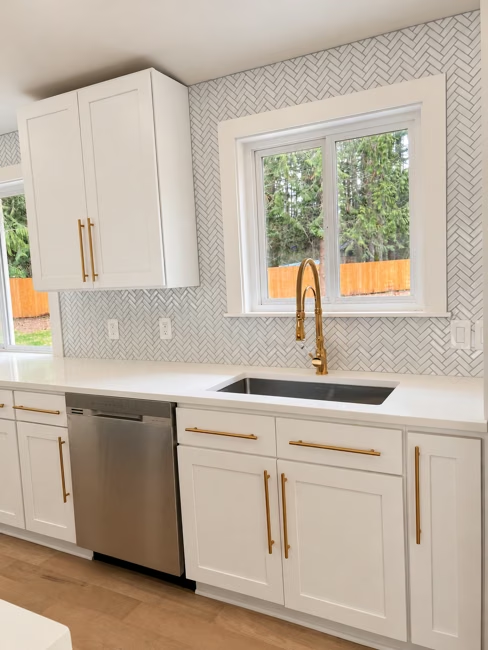
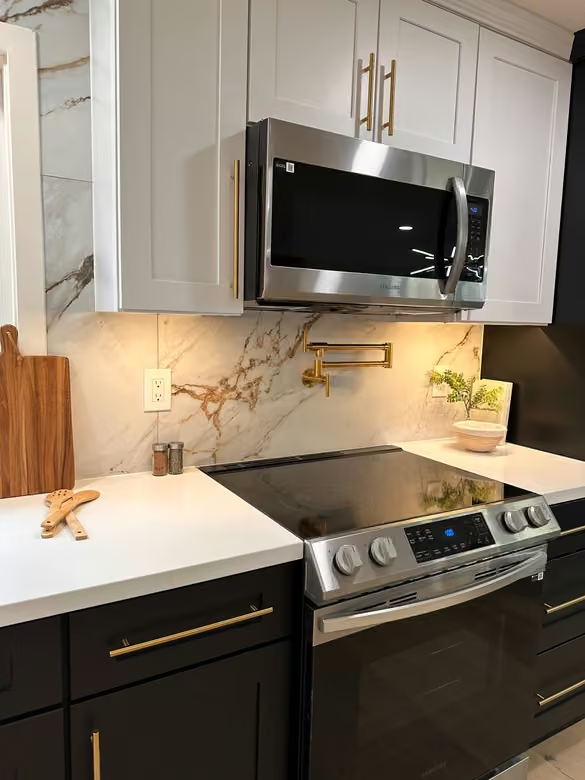
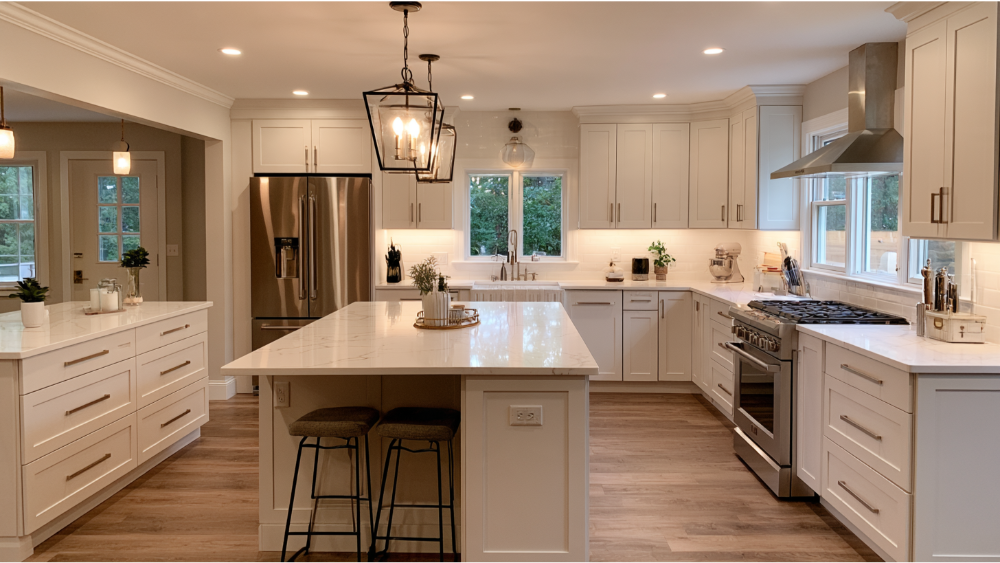
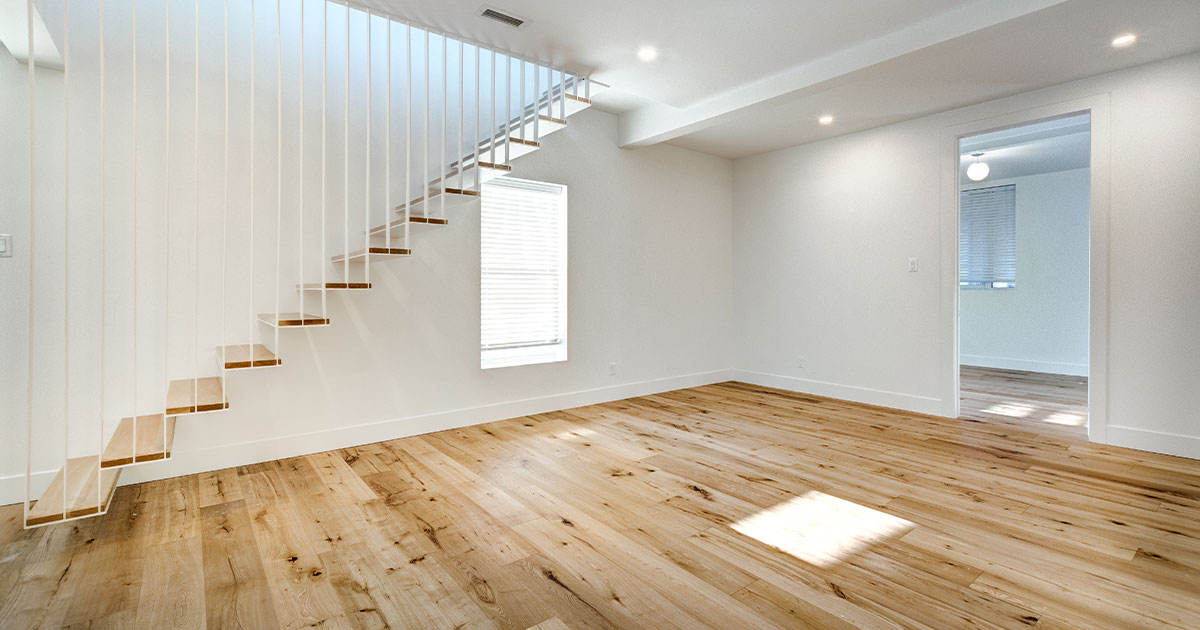
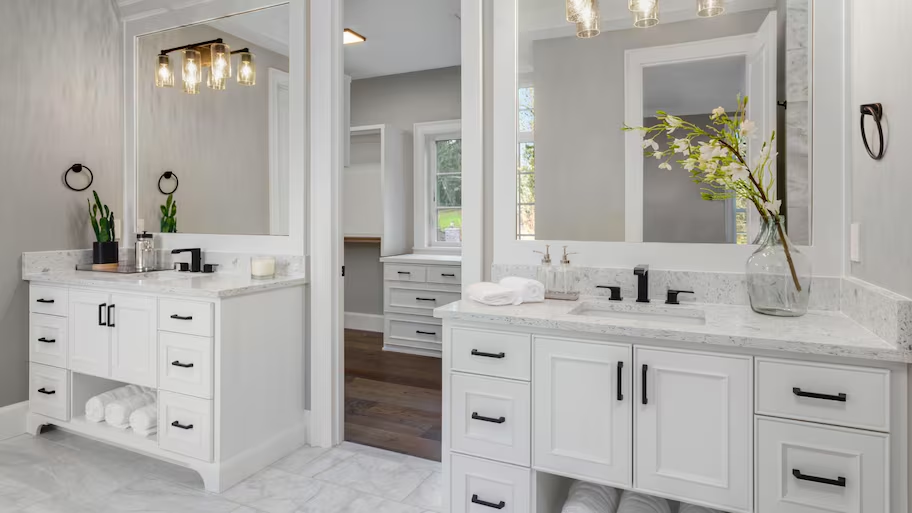
That scope looks different on every job. A kitchen remodel might mean custom designs for cabinetry and new countertops. A new bathroom focuses on comfort, functionality, and style. A full renovation or new addition can enhance how your house lives by adding bedrooms, converting an attic, or finishing garages into usable rooms. Some teams also specialize in home additions and the occasional rebuild, so the finished space fits how you actually live. Good remodeling services are tailored to your home, never a cookie-cutter template, and they lean on quality materials so the work holds up.
Remodeling Contractor vs. General Contractor vs. Specialty Contractor
In Washington, L&I classifies contractors as either general (able to perform multiple trades and hire subcontractors) or specialty (limited to a registered trade). A skilled carpenter often sits at the heart of this work. Electrical and plumbing work carry their own separate licensing. Worth knowing: registration is a legal baseline, not a skills exam. Washington does not test general remodeling competence to register a company, so you still have to judge expertise on your own.
How Do You Verify a Remodeling Contractor in Washington?

Before you talk price, confirm the company is real and covered. Use the Washington L&I Verify tool and check:
- Active registration and the exact legal business name
- Bond status (minimum $30,000 for general, $15,000 for specialty)
- Liability insurance ($200,000 public liability plus $50,000 property damage, or a $250,000 combined single limit)
- Workers' compensation for any employees
- Citations, infractions, and any lawsuits against the bond
- Listed owners and related business names
These are legal floors, not proof of craftsmanship. A solo owner-operator with no employees may not need a workers' comp account, so its absence alone isn't disqualifying. Verification tells you a contractor is qualified on paper. The next step tells you whether the crew can actually do the work.
How Do You Compare Bids Without Inviting Surprise Costs?
L&I recommends getting three written bids and comparing scope, not just the total. The trap is a low number that quietly covers less work. Reading recent reviews helps too. Make every bid describe the same categories so you're comparing like for like:
- Demolition and disposal
- Structural and building work
- Plumbing and electrical
- Cabinetry, millwork, tile, and flooring
- Fixtures and materials
- Allowances and exclusions
- Permits, inspections, and cleanup
- Schedule, warranty, and the change-order procedure
Know the difference between an allowance (a placeholder budget for items you'll choose later), an exclusion (something left out entirely), your own selections, and a true change order. Clear, upfront pricing is what keeps a project from drifting. We tie payments to completed milestones, not calendar dates, and the final payment should wait until the walkthrough is done. Setting aside a 10 to 20 percent contingency is smart planning for anything a wall hides.
What Should Be in the Contract, and Who Pulls Bellevue Permits?

Your contract should cover the parties and legal business names, a detailed scope, materials and major suppliers, subcontractors, payment milestones, start and completion dates, permit responsibility, home protection, a communication schedule, the written change process, warranties, and final inspection and closeout. For residential contracts of $1,000 or more, Washington requires a signed disclosure statement, which the contractor retains for at least three years.
Permits are the contractor's job. L&I treats a company pushing permits onto you as a warning sign. Your contractor should identify, obtain, pay for, schedule, and close out every required permit and inspection. In Bellevue, many nonstructural kitchen and bathroom remodels qualify for a no-plan-review permit, often issued same day, though inspections still apply. Structural building and new construction work needs plans, with a 14-day target for the first review and 10 days for a revision cycle. The current statewide code cycle is the 2021 codes, effective March 15, 2024. Confirm specifics with Bellevue Development Services and the State Building Code Council for your location.
Communication, Red Flags, and an Organized Process
Good communication is something you can actually see. Look for one accountable point of contact, regular written updates, advance notice of shutdowns and inspections, a decision log, surface protection and dust containment, daily cleanup, and planning around parking, pets, and neighbors. You should never feel left in the dark. This is how professional teams keep clients confident while construction is underway, and a dedicated contractor should meet those expectations every day.
Walk away from these red flags: credentials you can't verify, "sign today" pressure, cash-only demands, large upfront payments, a vague one-line scope, refusal to document changes, pushing permits onto you, no comparable projects or references, and no written warranty.
The organized alternative follows a clear arc: Consultation and Planning, Custom Design and Material Selection, Professional Construction, Final Walkthrough and Approval, and Post-Project Support. Structure like that is how a remodel stays predictable and how a good contractor earns the trust of its customers from start to finish. The rest of the experience falls into place when the plan is clear.
How much does a kitchen remodel or home remodeling project cost?
It depends on scope, materials, and site conditions, so a reliable number comes from a detailed, itemized bid. A knowledgeable team puts together pricing tailored to your actual project rather than a generic guess, whether you're planning a kitchen remodel, a new bathroom, or a larger renovation.