.avif)


Why Choosing the Right Remodeling Contractor Matters

You're trusting someone with your home, your money, and your daily comfort while the work happens. That's why the fears feel so real: surprise change orders, a crew that goes quiet, finishes that look wrong a year later. The right contractor is your protection against all of it. Quality work often costs more upfront, but cheap materials and rushed labor rarely produce lasting results, and a well-done whole-home remodel can add real value and comfort. We believe quality materials and honest craftsmanship are what separate a remodel you love from one you regret. This is a serious investment in your home's future.
Define Your Remodel Before You Call Anyone
Before you reach out to anyone, get clear on what you actually want. The first step is knowing whether this is a kitchen remodel, a bathroom update, a full-home renovation, or a project that moves walls and changes the layout. Separate your must-haves from your nice-to-haves, and gather ideas while you think about your style, your timeline, and who's making the final decisions. Bathroom remodels, for example, usually mean updated fixtures, new plumbing, and smarter storage, so name those needs early. Talking with friends who have completed a remodel can help you spot the factors that most affect cost. A realistic budget accounts for labor, materials, and permits, plus a buffer for the unexpected. The clearer your vision going in, the more tailored and accurate every bid you receive will be.
Verify Washington Contractor Registration, Bond, and Insurance

In Seattle and Washington State, this is the first hard check, and it's non-negotiable. Use the Washington L&I "Verify a Contractor" tool to confirm the company is real, licensed, bonded, and insured. Look for:
- Active registration and a business name that matches the bid
- A current surety bond and liability insurance
- Workers' compensation coverage
- Any infractions, lawsuits, or license history worth a second look
For reference, Washington requires a $30,000 bond for a general contractor and $15,000 for specialty contractors, plus liability insurance of either $200,000 public liability and $50,000 property damage or a $250,000 combined single limit. Washington contractors must also list their registration number in advertising, so if you can't find it, that's a huge red flag worth some due diligence before you go further.
Confirm They Understand Seattle Permits
Most remodeling projects in Seattle require a permit. Minor repairs costing $6,000 or less in any six-month period may not, but permits are still required for anything touching load-bearing supports, the building envelope, egress, ventilation, or fire resistance, no matter how small. Because Seattle's rules change (interim regulations took effect in 2025), always confirm your specific project with SDCI. One thing to watch: if a contractor suggests skipping permits or asks you to pull them yourself without a clear reason, treat it as a red flag. In most cases, the contractor you hire is the one required to take out the permits.
Get at Least Three Detailed Written Bids, and Compare Them Fairly
L&I recommends getting at least three written bids before you hire, and comparing them on scope, materials, timeline, warranty, and how change orders are handled, not just the bottom line. A detailed bid means line-item breakdowns of labor, materials, allowances, and exclusions, not a vague lump sum you have to take on faith. Resist the pull of the lowest number. A low bid often hides gaps that resurface later as unexpected costs, and that's exactly the surprise you're trying to avoid. Getting the numbers right here is where you save yourself grief and set the whole process up for success.
| Compare On | What to Look For |
|---|---|
| Scope included | Every task spelled out, no assumptions |
| Materials specified | Brands, grades, and allowances named |
| Permit responsibility | Contractor pulls and manages permits |
| Payment milestones | Tied to completed phases |
| Timeline | Start and completion dates |
| Home protection/cleanup | Dust control, debris removal included |
| Warranty | Length and what it covers |
| Change-order process | How changes get priced and approved |
| Communication plan | Point of contact and update cadence |
Review the Contract and Payment Terms Before Signing
Get everything in writing before work starts. Based on FTC and L&I guidance, a solid contract includes the business name, contact, and registration info, the scope of work, materials, suppliers and subcontractors, permit fees, payment terms, a completion date, the warranty, and the change-order process. It should also cover the details of who handles plumbing, electrical, flooring, and countertops so nothing falls through the cracks. On payment, a healthy structure ties draws to completed phases and holds back a portion until the work is finished and you're satisfied. Never pay in full upfront. Paid subcontractors matter too: a lien can be filed within 90 days of work stopping if they aren't paid. And if you sign in your home rather than the contractor's office, the FTC gives you a three-business-day right to cancel.
Judge Communication, Proof of Work, and How They Protect Your Home

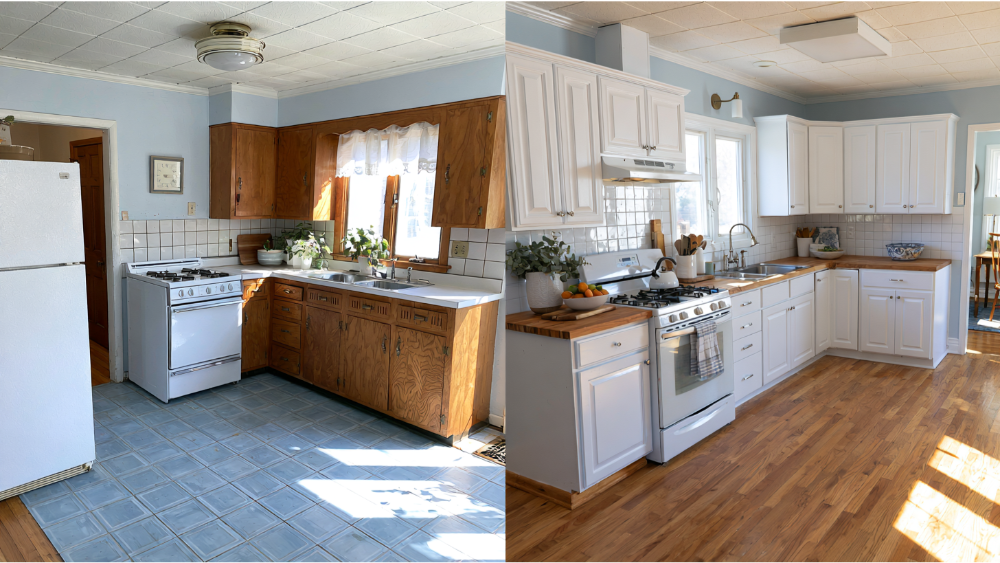
Communication is something you can measure, not just hope for. Before signing, ask who your daily point of contact is, whether that person is a project manager or a family member of the firm, how often you'll get updates, how decisions and change orders are documented, and how they handle delays or surprises found behind a wall. Then request proof of similar work: a before-and-after gallery, references you can actually call, reviews, and finished detail shots from kitchens, bathrooms, or full-home projects like yours. A roster of happy clients tells you what to expect. Visiting a current or completed job site tells you a lot. Ask how they'll protect your home during construction too, from dust control and floor protection to debris removal, working hours, and access. This is where a final walkthrough and steady updates keep you out of the dark.
Red Flags to Walk Away Fro
- No active L&I registration
- A vague lump-sum bid with no line items
- No written contract
- Pressure to sign quickly
- Cash-only demands
- Large upfront payment with no milestones
- Asks you to pull permits without a clear reason
- No references or portfolio
- Poor communication before you've even signed
None of these are worth the risk. A quality remodel should never compromise your peace of mind or break your trust, and cutting corners on due diligence rarely saves money in the end. Some contractors dress up a quick "nip tuck remodeling" job as a full renovation, so ask exactly what's included before you spend a dollar.
Work With an Owner-Led General Contractor in the Seattle Area
At Oleg & Sons, we're a family-owned, owner-led remodeling company based in Bellevue, serving Bellevue, Seattle, and communities across King and Snohomish counties, including Sammamish and Everett. We specialize in kitchen and bathroom remodels along with full home renovations. With 12 years of experience, we build every kitchen, bathroom, and home renovation around quality materials, transparent pricing, and open communication from start to finish, right through the final walkthrough, post-project support, and our full-year warranty. We treat your home as the foundation of your dream, not just another job, and we handle the services from design to completing the last detail. Homeowners have given us a 5.0 Google rating across 40 reviews. If you're ready to talk it through and schedule a visit, get in touch for a free consultation. Let's start planning together. You'll find us at 14205 SE 36th Street, Suite 100, Bellevue, WA 98006.


.svg)











.webp)



.webp)