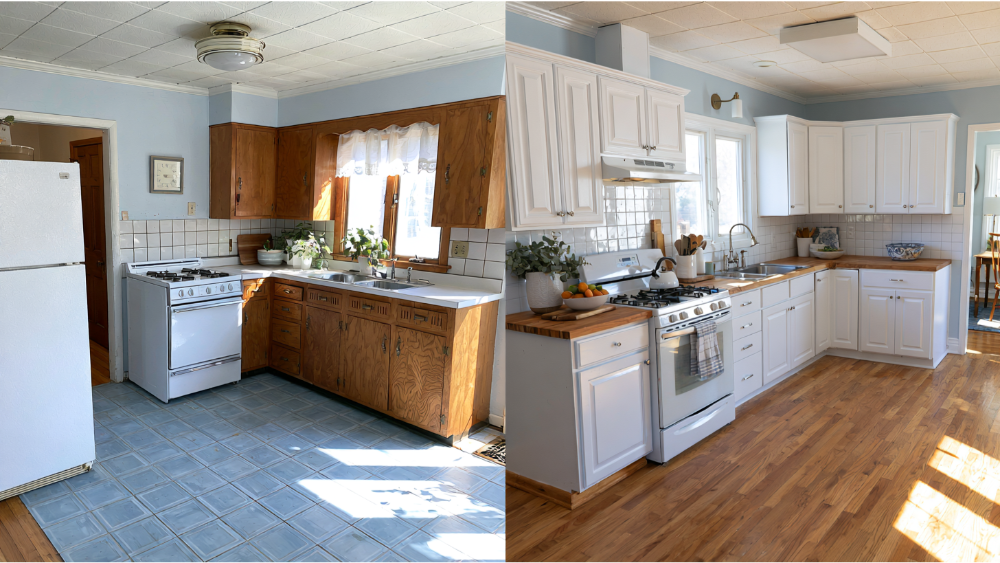


To hire a remodeling contractor in Seattle, start by verifying their Washington State Department of Labor & Industries (L&I) registration, bond, and insurance. Confirm they understand Seattle permits and inspections, review a clear written scope with defined change-order terms, and look at similar work they've completed nearby. Then choose a team that communicates clearly, because the way contractors talk to you before you sign is a good preview of how they'll perform once the building work begins. We know this is a lot to weigh. You're trusting people with your home, your budget, and your daily life, and that's worth doing carefully.
Define Your Project Scope Before You Contact Seattle General Contractors

The clearer you are before the first call, the less stress and cost you'll face later. A defined scope also lets every contractor bid on the same project, which is the only way to compare them fairly. Your home reflects how you live, so this is where your vision starts to take shape. Before you search for and contact general contractors, write down:
- Your main goals and the problems you want solved
- Must-haves versus nice-to-haves
- Style direction and a few reference photos
- The budget range you're comfortable with
- Project type: kitchen remodel, bathroom, full-home renovation, or design-build
Time spent planning here pays off during construction, when unclear expectations tend to turn into disputes. A well-defined project also helps contractors give you accurate services and a realistic cost, rather than a guess they revise later. This early groundwork is where a dream project starts turning into reality.
How Do I Verify a Contractor in Seattle Through Washington L&I?
Every contractor working in Washington must be registered, bonded, and insured. Use the L&I Verify tool to confirm a contractor is properly licensed, and read the result closely. This kind of due diligence protects you. The table below shows the minimum coverage Washington requires, which varies by contractor type:
RequirementGeneral ContractorSpecialty ContractorSurety bond$30,000$15,000Public liability insurance$200,000$200,000Property damage insurance$50,000$50,000Combined single limit (alternative)$250,000$250,000
Beyond those minimums, read the L&I result closely and look for:
- Active registration with no lapses
- Workers' compensation coverage where applicable
- Safety citations and any lawsuits filed against the bond
- The owner and business names matching what you were told
Washington law requires a contractor's registration number to appear in advertising and written bids, so you should be able to find it easily. Reviews, a referral from friends, and third-party mentions, like a company being featured in a Redfin article, help you narrow your options, but they don't replace the L&I check. This step separates solid, licensed contractors from unregistered businesses that leave you exposed.
Confirm They Understand Seattle Permits, Codes, and Inspections
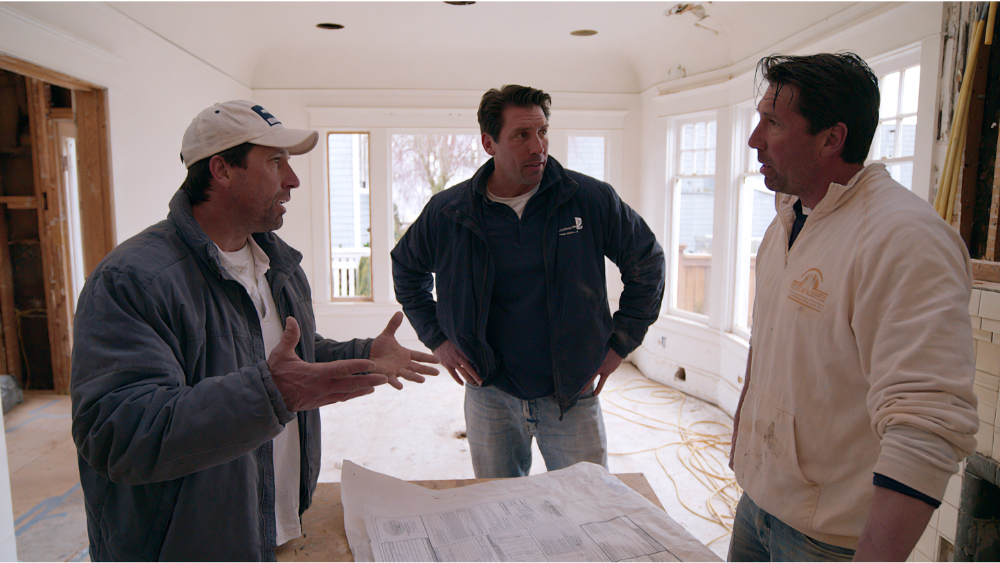
Most remodels need a permit. The Seattle Department of Construction & Inspections (SDCI) issues construction addition/alteration permits, plus subject-to-field-inspection permits for smaller work and separate trade permits for electrical, plumbing, and mechanical work. Seattle exempts minor repairs of $6,000 or less in any six-month period, but work touching load-bearing supports, the building envelope, egress, or fire resistance always needs a permit regardless of size.
Seattle currently enforces the 2021 International Residential Code with local amendments. Ask directly who pulls the permit and who is managing the inspection schedule. Good contractors handle this and expect the question. Unpermitted building work can create real problems at resale and with your insurer, so this isn't a corner worth cutting.
Compare Written Bids by Scope, Not Just Cost, and Ask the Right Questions
L&I recommends getting at least three written bids. When they arrive, compare more than the bottom-line cost:
- What's included and what's excluded
- Allowances and specific material selections
- Fixtures, finishes, and timeline assumptions
- Who's responsible for permits
- Warranty terms, cleanup, and home protection
- How change orders are handled
Pay by completed milestones rather than large upfront sums. We believe quality materials are what make a remodel last, so a bid that skimps on them isn't really a lower cost. These factors affect both your final result and your peace of mind. Before you sign, ask a few communication questions: Who is my main point of contact? How often will I get updates? What happens if hidden damage is found? How are decisions documented? Clear communication now means you won't be left in the dark later, and it helps you find the right remodeling contractor rather than the first one who calls back.
Red Flags, Change Orders, and Older-Home Issues Every Seattle Homeowner Should Know

A few warning signs are worth taking seriously: reluctance to share L&I registration, a vague scope, high-pressure sales, an unusually low bid, cash-only demands, verbal-only changes, no references, or no written warranty. A solid contractor gives straight answers to all of these.
Change orders should be written and approved before work continues, never handled with a handshake. Washington also carries real lien risk. A subcontractor or supplier can file a lien within 90 days of finishing work or delivering materials, even if you already paid your contractor, so request lien releases from major subs and suppliers before final payment (L&I guidance).
Older homes need extra care. Pre-1978 houses may fall under EPA lead-safe (RRP) rules, and Seattle requires an asbestos survey before renovation or demolition. Whether the plan is a full gut or a lighter nip tuck remodeling of a tired kitchen or bath, these older-home rules still apply.
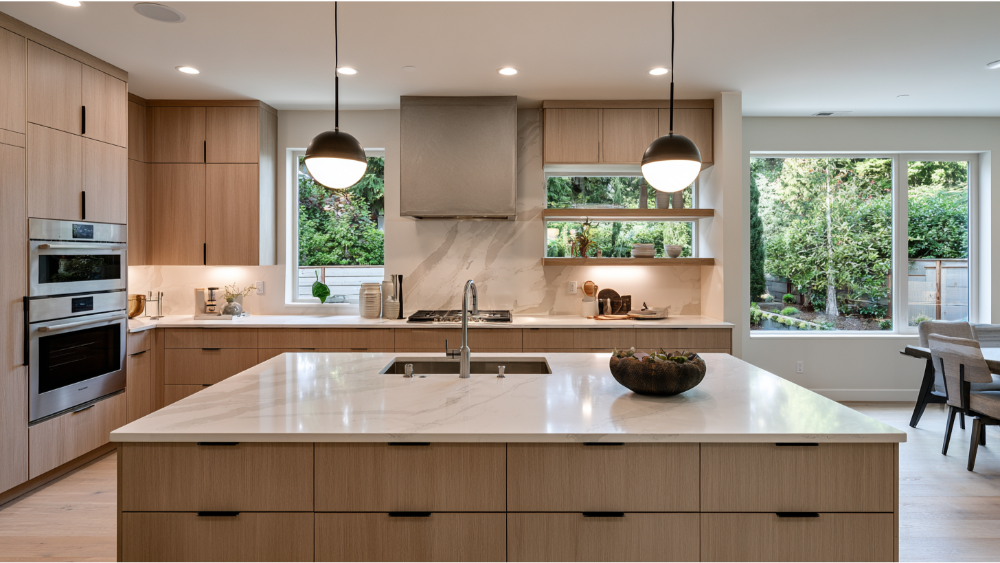
Why Seattle Area and Bellevue Homeowners Choose an Owner-Led Team for a Kitchen Remodel
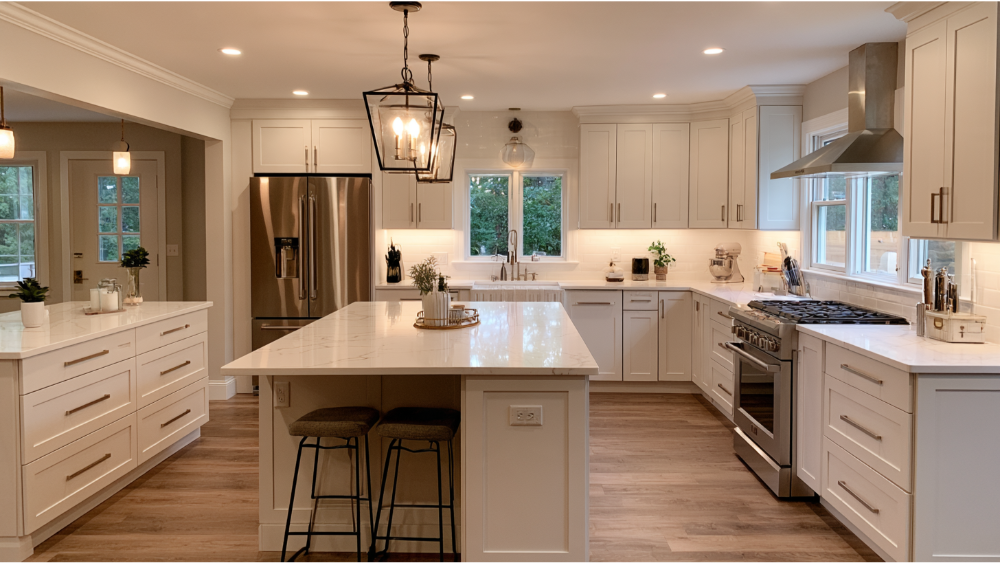
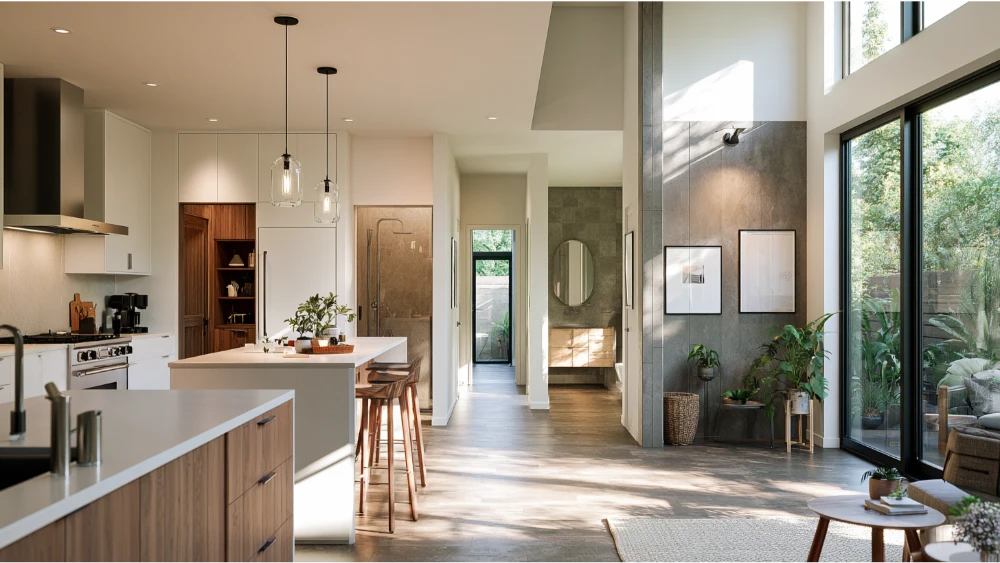
At Oleg & Sons, we're a family-owned, Bellevue-based remodeling company that specializes in kitchens, bathrooms, and full-home renovations for homeowners across King and Snohomish counties, including the greater Seattle area, Sammamish, and Everett. Whether your project is a kitchen remodel, a bathroom update, or a full renovation, our five-step process is the structure that keeps surprises out: Consultation & Planning, Custom Design & Material Selection, Professional Construction, Final Walkthrough & Approval, and Post-Project Support. Owner-led means a named member of the family is personally accountable for your home from start to finish, not a rotating crew you never meet. Our craftsmen take pride in treating your home as their own, and we see every client as a partner in the work. We bring 12 years of experience, a two-year warranty, a free consultation, and a 5.0 Google rating across 40 reviews. When you're done waiting and ready to break ground, get in touch through our website or sign up for a free consultation. Your success is ours too, and you'll find us at 14205 SE 36th Street, Suite 100, Bellevue, WA 98006.


.svg)















.webp)


.webp)


.webp)