.avif)


Your Quick Seattle Remodel Permit Checklist

Permit responsibility in Seattle is split across a few agencies: SDCI, Public Health – Seattle & King County, and Seattle Public Utilities. Here's the full range of permits a remodel might touch, so you can orient fast:
- Construction addition/alteration permit (SDCI) — the main building permit for most remodels
- STFI permit (SDCI) — streamlined track for smaller projects
- Electrical permit (SDCI)
- Plumbing/gas piping permit (Public Health – Seattle & King County)
- Mechanical permit (SDCI) — HVAC, exhaust, ventilation
- Side sewer / drainage (Seattle Public Utilities)
- Demolition permit (SDCI)
- Tree removal or environmentally critical area review (SDCI)
- Land use / change of use (SDCI)
- Water Availability Certificate (WAC) (Seattle Public Utilities)
When Does a Project Require a Permit in Seattle?
The line that matters is between a cosmetic refresh and a true remodel that changes systems, structure, layout, or life-safety conditions. Cosmetic work often falls under Seattle's minor repairs exemption: work with a fair-market value of $6,000 or less in any 6-month period may not require a permit. Projects above that threshold generally do require a permit.
Common exempt work includes painting walls, installing kitchen cabinets, adding paneling or surface finishes over existing walls and ceilings, and insulating an existing house. But there's a catch. Even exempt work still has to meet current Seattle residential and mechanical codes, and the exemption disappears the moment the work affects load bearing supports, the building envelope, egress, light, ventilation, or fire resistance. Swapping cabinets in place is usually fine. Cutting into a wall to move plumbing lines is not.
Construction Permit vs. STFI Permit: What's the Difference?

Both are construction permits from SDCI, but they serve different sizes of project. An STFI permit is the lighter track. It carries fewer plan requirements and suits smaller work like an interior reconfiguration of part of a house or a small single-story addition. Because the work is subject to field inspection rather than a full plan set, an STFI can often move in about one to two weeks.
A regular main building permit is for the heavier lifts: a second story addition, adding a dwelling unit, changing how the building is used, or any significant structural change. Structural changes always need a full building permit and full permit review, which commonly runs closer to two to three months. Here's how the two tracks compare at a glance:
Understanding Permit Cost and Permit Fees
Seattle construction costs and permit fees vary widely by scope and project valuation, so treat published SDCI estimators as your reference rather than assuming a flat permit cost. Most fees scale with the value of the work, and a separate technology fee usually applies to online applications. The right question isn't "which is cheaper," it's "which track does my actual scope fall into," and that's something worth settling during planning.
Do You Need a Permit for a Kitchen Remodel in Seattle?

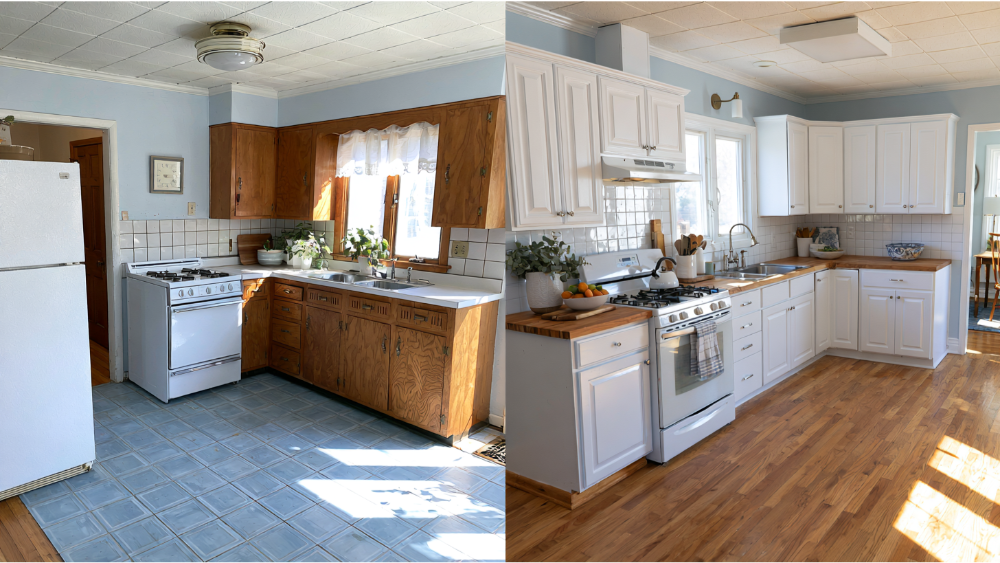
It depends on how far the remodel reaches. Swapping cabinets and countertops in the same footprint, with no changes to wiring or plumbing, may fall under the cosmetic exemption. Once you go further, you usually need a permit.
New circuits, added outlets, or changes to light fixtures require an electrical permit. Relocating the sink, moving water lines, or adding a gas line for a range triggers a plumbing/gas permit for the plumbing fixtures involved. Adding or changing a range hood or ventilation triggers a mechanical permit. And moving a wall, even a non-structural one, means you need a permit for construction work. A kitchen remodel often touches several of these at once, which is exactly why permit responsibility belongs in the planning conversation early, not discovered halfway through demolition.
Do You Need a Permit for a Bathroom Remodel in Seattle?
Same logic applies. A like-for-like fixture swap in the same location is lighter on permits. Real changes are not.
Adding a shower or relocating drain lines and supply lines requires a plumbing permit. New circuits or heated floors require an electrical permit for that electrical work. A new exhaust fan or ventilation change triggers a mechanical permit. Moving walls or altering framing means you need a permit for construction. One point trips people up constantly: in Seattle, plumbing and gas permits come through Public Health – Seattle & King County, not SDCI. So a bathroom remodel can involve two different agencies before you've picked a tile.
Trade Permits Are Separate: Electrical, Plumbing, and Mechanical
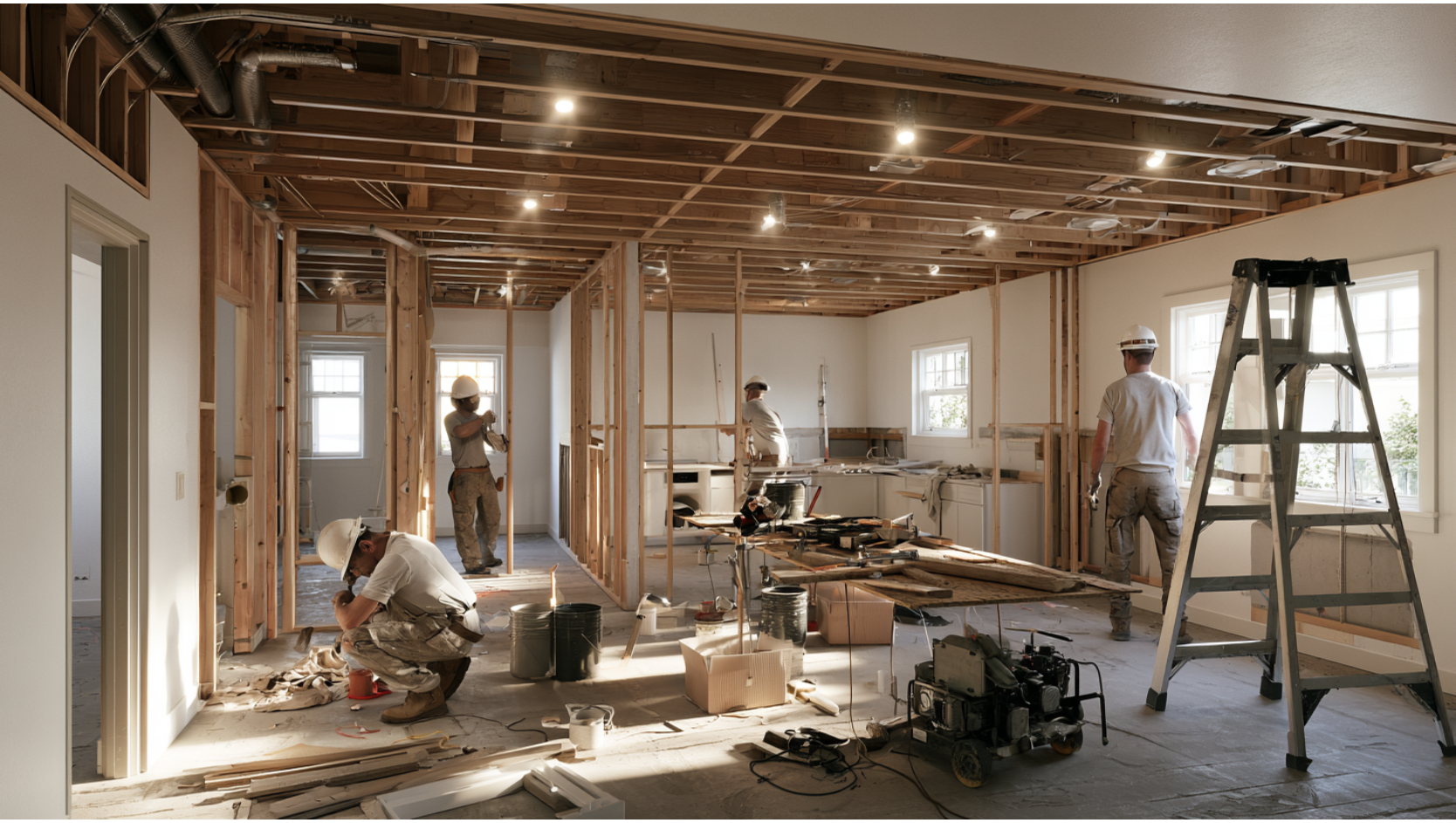
Here's the misconception that causes the most trouble: one building permit does not cover everything. Electrical, plumbing, and mechanical work each require trade permits of their own, and the permit applications don't all go to the same place.
Timelines vary by trade. Many electrical permit applications issue the same day online. A simple mechanical STFI can issue in about 24 hours, while most mechanical permits are planned closer to nine weeks. Plumbing permit review usually runs four to six weeks, up to fourteen for large or complicated projects. One recent change to note: as of July 1, 2026, permits are now required for replacement water heaters, a shift that also ties into new energy efficiency standards for the equipment going in.
Utility, Side Sewer, and Right-of-Way Approvals
Most basic kitchen and bathroom refreshes never touch these. They come up with additions, new service or use, drainage changes, or side sewer repair and alteration. A recent shift is worth knowing: as of October 1, 2025, Seattle Public Utilities (not SDCI) handles side sewer plan review, permitting, and inspections. A Water Availability Certificate is required for most development projects, expires 36 months from issuance, and typically takes about 20 business days to issue. If work reaches into the public right-of-way, an SDOT permit comes into play. For a straightforward interior remodel, none of this usually applies.
Special Cases: Demolition, Trees, Critical Areas, and Older Homes
Interior "soft demolition," meaning finishes and non-structural partitions, is handled under your construction permit, so no separate demolition permit is needed. Removing an entire building, or a full house lift to work on the foundation, is different. That needs a demolition permit, which covers one building per permit and requires at least 15 days of rat abatement by a licensed pest-control company before work begins.
Sites with steep slopes, known or potential slide areas, or other environmentally critical areas require permits and reviews before construction, demolition, or grading. Anything that adds square footage through a footprint expansion also raises lot coverage limits that SDCI checks against your site plans. And for older homes, there's a compliance layer that isn't a remodel permit at all. Seattle homes built before 1978 fall under EPA's Renovation, Repair, and Painting rule and Washington's lead-safe requirements, which means the firm doing the work must be RRP certified. This is where an experienced, owner-led team earns its keep, catching these project details in planning instead of mid-project.
Who Should Pull Permits: Homeowner, Contractor, or Trade?
Settle this in writing before anyone lifts a hammer. Owner-occupants can pull permits themselves when they own and live in the property. Licensed contractors and specialty trades pull theirs. Most permit applications go through the Seattle Services Portal.
Whoever you hire, verify them through the Washington State Department of Labor & Industries (L&I) for active registration, a valid bond, and insurance, and confirm that any electrician or plumber holds the right specialty license. A remodeler who communicates well will spell out project scope and permit responsibility up front, so you're not guessing who's accountable for what. That clarity is part of doing the job right, not an extra.
The Permitting Process and How Long a Full Permit Review Takes at the Department of Construction Inspections

SDCI, the department of construction inspections for the city, targets roughly two to three weeks for initial review of simple addition/alteration permit applications and about eight weeks for complex ones. An STFI can move in one to two weeks. A full permit review often runs two to three months. Real-world numbers can be longer: in late 2025, the median housing project spent around 160 calendar days in plan review across multiple review cycles. That's context, not a promise for your remodel. The practical takeaway is simple. Start the permitting process early in the design stage to avoid delays, because permit timing protects your whole schedule. Larger projects benefit most from an early start, since city officials review them against Seattle's building codes in several passes before faster approvals become possible.
What Happens If You Remodel Without a Permit in Seattle?
Seattle can issue a stop-work order if a project starts without the required permit, and costly fines can reach up to $500 per day. This is why permits matter beyond paperwork. Work built without a permit may have to be exposed and redone to pass inspection, which costs far more than doing it right the first time. Skipping permits also follows the house. Unpermitted work can complicate a future sale, lower property value, raise questions during appraisals, and give an insurance company reason to deny a claim tied to that work. It can also hide shoddy work behind finished walls, where nobody confirmed the structural integrity of floor joists or framing.
One point gets overlooked: pulling the permit isn't the finish line. Scheduling inspections along the way and getting the completed work inspected leads to a final inspection and final sign off, and that final sign-off is what actually closes the record. The final sign off confirms the completed work meets code. A remodel that never passed final can look just as unresolved on paper as one where skipping permits was the whole story.
How to Plan Your Remodel With Fewer Surprises

Permit planning belongs at the very start, during consultation and design, not after materials are ordered. That's how we work at Oleg & Sons. On both small and larger construction projects, we map out scope, confirm which parts require a permit, and coordinate the trade permit applications before construction begins, so nobody's guessing once the crew arrives. Clear pricing, open communication, and a defined process from start to finish are how a remodel stays a remodel instead of a series of surprises. Done right, the work also protects your property value. We serve homeowners across the greater Seattle area and King County, and we treat your home the way we'd treat our own.
If you're weighing a kitchen, bathroom, or whole-home project and want a straight answer on what it will actually take, get in touch for a free consultation. No pressure, just a clear plan and honest expectations.

.svg)








.webp)


.webp)