

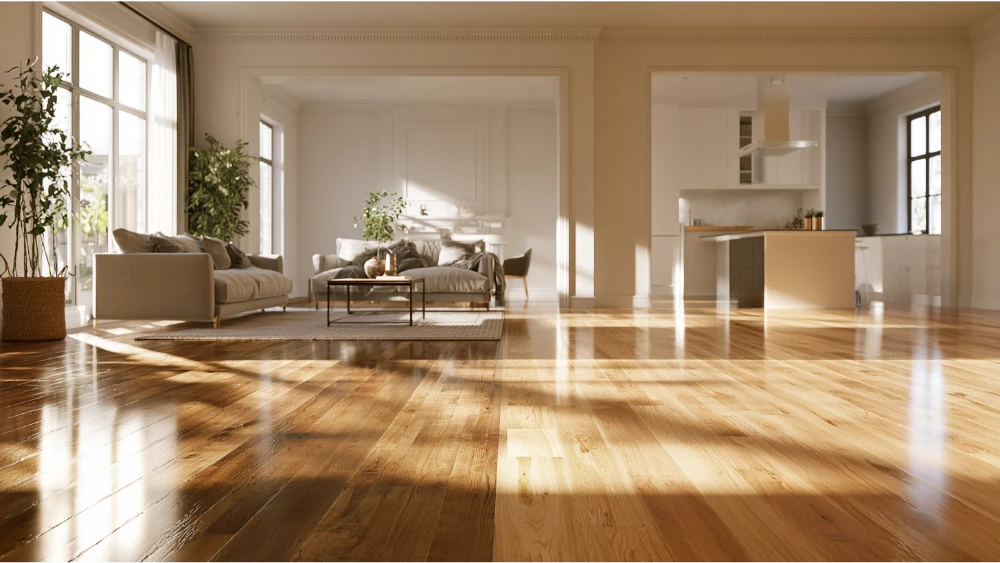
A floor color change is a real investment, and most homeowners we talk to have one worry above all: surprise costs. So here's the direct answer. Hardwood floor staining in Seattle colors process cost is usually handled as part of a full sand-and-refinish. The floor is sanded to bare wood, stain samples are tested on your actual floors, the color you choose is applied, then everything gets sealed with a protective finish that protects the wood for a long life. What it costs depends on square footage, wood species, floor condition, and finish choice, not a generic online price. This guide is for Seattle, Bellevue, and King County homeowners planning a hardwood floor update.
Is Hardwood Floor Refinishing or Staining What Your Home Needs?

Three terms get mixed up, so let's keep them plain. A recoat cleans the floor, lightly screens the surface, and adds a fresh topcoat. It refreshes wear but won't change color. A full hardwood floor refinishing takes the floor down to bare wood, and that's the only path to a true color change, since stain has to penetrate raw wood. Refinishing also lets us remove deep scratches that a simple recoat can't touch. Repair or replacement comes into play with deep damage, cupping, or missing boards, where replacing individual boards or the whole run is the honest fix.
- Recoat: finish is worn but wood is sound, and you're happy with the color.
- Refinishing: deep scratches reach the wood, or you want a new color.
- Repair/replace: water damage, warping, or boards beyond saving.
Staining is optional. If you like the natural tone after sanding, a clear finish may be all you need. One caution: engineered hardwood has a thin wear layer that limits how often it can be sanded, so have a pro assess it before refinishing or staining. Sanding through that layer means replacing boards, not saving them. Homes with radiant heat under the floors add another reason to work with someone who knows how each system behaves.
Hardwood Floor Stain Colors Seattle Homeowners Are Choosing
Manufacturer systems carry wide palettes, from around 26 colors up to 36 packaged shades plus 65 or more intermix options. Think custom sampling, not a tiny preset chart. Here are the families we walk clients through: Our detailed wood floor stain guide compares stain formulas, color families, and the role of wood species.
- Natural / clear: keeps the wood's real tone, brightens rooms with low winter light.
- Light neutral & whitewashed: pale, airy, and popular in newer Eastside homes.
- Warm medium brown: classic tones like Chestnut and Provincial that read timeless.
- Dark brown / espresso: Ebony, Coffee Brown, and Graphite for a dramatic look.
- Warm greige / weathered: softer than cool grey, which tends to look dated fast.
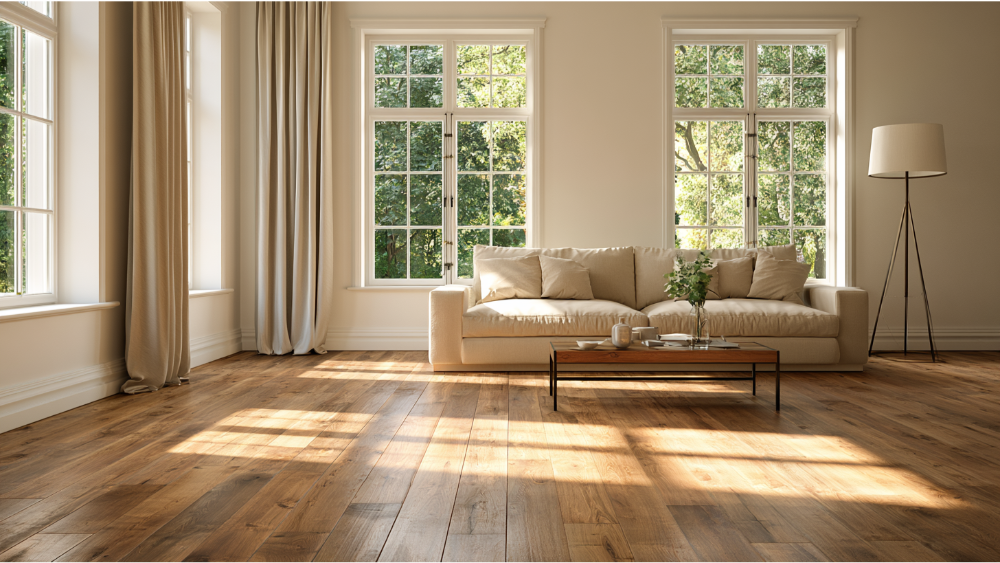
With so many Craftsman and older homes around here, amber and honey tones flatter the era and bring warmth without darkening a space. The right color always depends on your wood species, lighting, cabinets, and trim. Your vision for the room should drive the choice, because every home reads differently and every floor takes color its own way.
How Wood Species and Light-vs-Dark Choice Affect the Result

The same stain lands differently depending on what's under it.
- Red oak: warmer, pinker undertones.
- White oak: neutral and tan, easier for muted and natural tones.
- Maple: stains unevenly, so we often suggest a natural finish.
- Douglas fir: common in older Seattle homes, softer and full of character.
- Mixed old and new boards: need careful stain matching.
Then there's the light-versus-dark tradeoff. Dark floors look striking but show dust, pet hair, footprints, and scratches, so they ask for more frequent cleaning. Lighter colors hide dust and brighten a room. Sheen matters too: matte and satin forgive small wear far better than gloss. If you have pets, kids, or an open plan with lots of natural light, let that guide the decision.
Why Water Based Stain Samples Must Be Tested on Your Actual Floor
Screens and chip charts mislead. The same color shifts with your wood species, the sanding grit, moisture, the age of the boards, and the topcoat you pick. Oil-based finishes amber the color warmer; water based finishes stay truer to the sample and run low odor during the job. That's why we brush test patches onto your sanded floors and look at them in daylight and again after dark before anything goes wall to wall. We want you to feel confident before the color goes across the whole hardwood floor.
The Hardwood Floor Staining Process and How Long It Takes
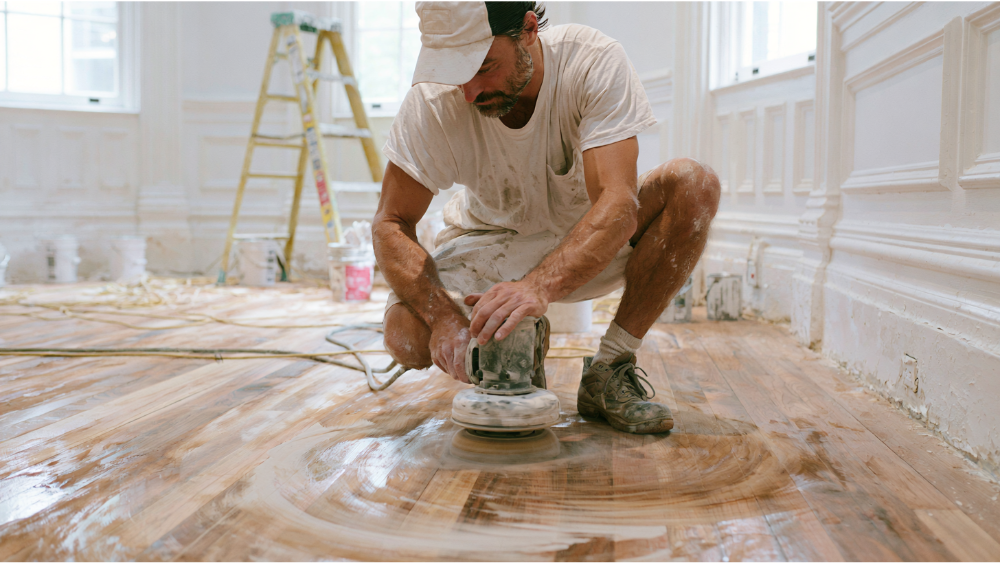
We follow the same five steps on every project:
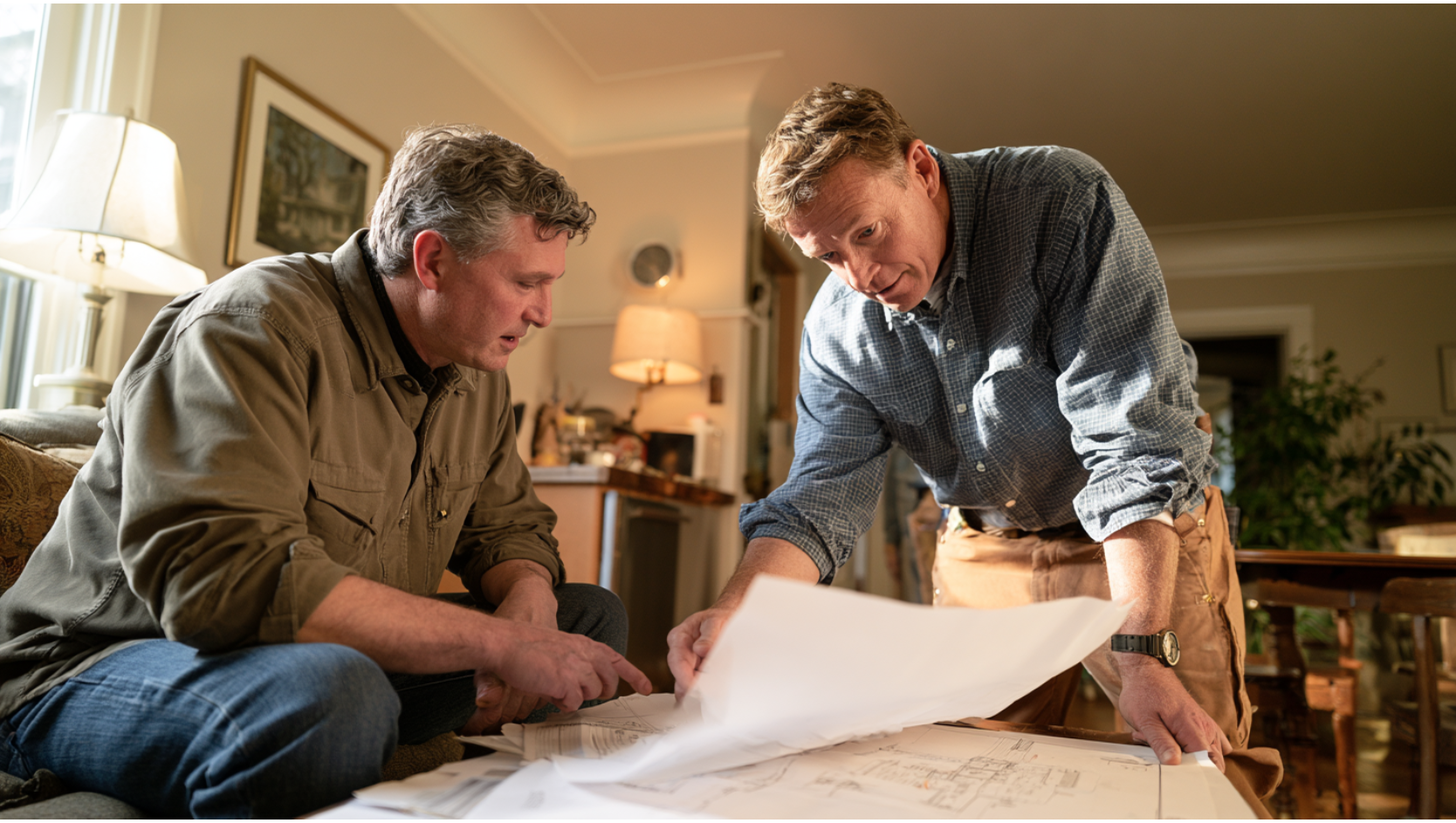
- Consultation & Planning: measure the sq ft, inspect, flag repairs, and ask about pets, kids, and your schedule.
- Custom Design & Material Selection: choose the stain family, sheen, and finish, then test samples.
- Professional Construction: set up dust containment, sand to bare wood, make repairs, remove the old finish, apply stain, then protective coats that seal and protect the surface. Most floors get two to three coats of polyurethane for a smooth result.
- Final Walkthrough & Approval: review color, sheen, and transitions together.
- Post-Project Support: care instructions, curing guidance, and your two-year warranty.
Timing varies. Many full refinishing projects run several days. Most wood-tone stains dry in about 2 hours under ideal conditions, while darker colors can take 12 to 18 hours, and finish should go on within 48 hours of staining. Cool, damp Puget Sound weather and dark colors extend those times. Water based finishes cure faster with less odor. A typical return sequence: stay off the floor first, then furniture and doors go back, and area rugs go down last so the finish has time to harden.
What Affects Hardwood Floor Staining Cost
We don't post dollar ranges, because every floor and home is different. These are the factors that shape a quote and the total cost:
- Square footage and floor condition (larger sq ft spreads the cost and labor per square foot)
- Wood species and stain versus natural finish
- Number of rooms, transitions, stairs, closets, heat vents, and tight corners
- Whether we repair, install a new floor, or remove and replace damaged boards, plus furniture and appliance moving
- Dust containment and finish type, including water based systems
- Lead-safe precautions in older homes
- Condo or high-rise access, parking, and elevator rules
- Any structural or permit-triggering work added to the scope
Refinishing existing floors often runs cheaper per square foot than replacing them, and it protects the value already built into your home. Products from big box stores may look identical to pro-grade goods on the shelf, but the difference in durability shows over time, which is why quality materials are worth what you pay. We give you clear pricing after seeing the floors and defining the scope in writing. That's how we avoid surprises and change orders across the Seattle area, Bellevue, and Kirkland projects.
Seattle Safety, Rules, and Choosing the Right Contractor

A few Washington-specific points protect you:
- Verify any contractor through Washington L&I, which requires a $30,000 general bond ($15,000 for specialty), plus liability insurance of $200,000 + $50,000 or a $250,000 combined single limit.
- Staining is usually cosmetic, but confirm permit needs with Seattle SDCI if subfloor, structural, or electrical work is added (the minor-work exception sits around $6,000 per 6 months, with limits).
- Pre-1978 homes need lead-safe (RRP) practices when painted trim, baseboards, or thresholds are disturbed, per WA Commerce and the EPA.
- VOCs can run up to 10 times higher indoors, so follow the finish maker's ventilation guidance, and keep the home between 60 and 80°F and 30 to 50% humidity to protect the new finish (NWFA).
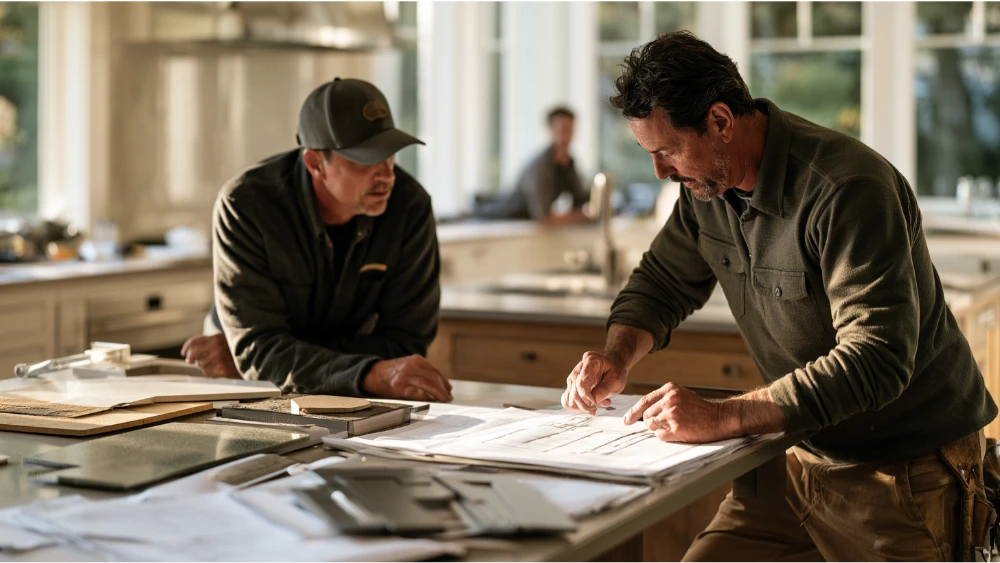
A good contractor tests samples on your floors, explains recoat versus refinishing versus replace, provides written scope and clear pricing, covers dust control and aftercare, and stays in touch from start to finish. Ask for a free estimate so the price is defined before work begins.
Why Seattle-Area Homeowners Choose Oleg & Sons
We're a family-owned, owner-led remodeling company with 12 years of experience. Every project comes with a free consultation, a two-year warranty, clear pricing, and open communication. Our craftsmen are passionate about their work and use quality materials and tailored design so your hardwood floors work with the rest of your home, from cabinets to millwork to paint. That care is why our customers see the great value in the finished result. Whether we refinish what you have or install something new, we bring the same care to every board and keep the project moving smoothly. Headquartered in Bellevue, we serve Seattle, Kirkland, and homeowners across King and Snohomish County. Take the first step towards transforming your home. Get in touch for a free consultation, and let's start planning together.


.svg)







.webp)
.webp)

.webp)