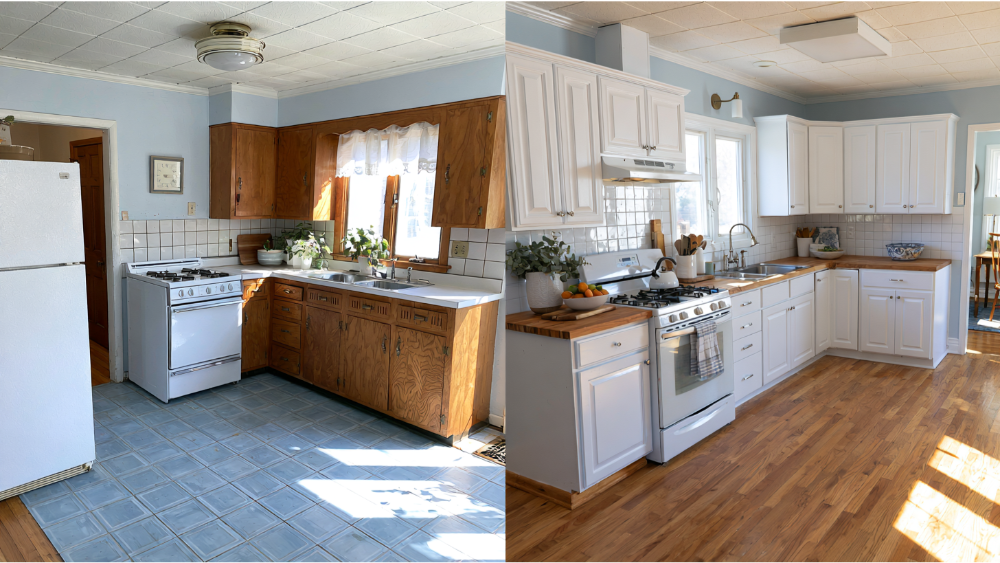


Here's the honest answer before anything else: what a Seattle home remodel costs depends far more on the scope of the work than on the room's name. The same kitchen can be a light refresh or a down-to-the-studs rebuild, and those two projects don't live in the same budget. In 2026, Seattle costs tend to run roughly 25 to 40 percent above national averages because of higher skilled-trade wages, permitting, sales tax, and the realities of older homes. If you're a homeowner in Seattle, Bellevue, or the surrounding King County communities trying to budget a home remodel, this guide walks through what actually drives the number, room by room, plus the local factors that quietly shape your final quote.
Home remodeling is a major investment, both financially and emotionally, and you deserve to understand where your money goes before you commit. One note as we begin: any dollar figures below are general market benchmarks from third-party sources, not quotes from Oleg & Sons. Our pricing is always tailored to your specific home.
Scope vs. Room Name: The Concept That Decides Your Budget

The label "kitchen" or "bathroom" tells you almost nothing about cost. Scope tells you everything. A cosmetic refresh (new paint, fixtures, hardware, maybe countertops) sits at one end. A full remodel that touches plumbing systems, electrical systems, and the floor plan sits at the other, and the two can differ by an order of magnitude in the same footprint. The project scope is what sets your total budget, not the room's name.
It helps to think in three loose tiers: cosmetic, mid range, and full remodel. As you move up the tiers, more trades get involved and more of the home gets opened up. Higher-quality materials also push remodel costs up meaningfully, which is a tradeoff worth making when you want lasting results rather than finishes you'll replace in five years.
One habit to carry through every section: build in a contingency budget of 10 to 20 percent for conditions no one can see until walls come open. On an older Seattle home especially, that cushion is what keeps a surprise from becoming a crisis.
Why Are Home Remodeling Costs in Seattle Higher Than the National Average Cost?
Seattle costs run higher than the national average cost for reasons that are specific to this region, not because contractors are marking things up arbitrarily.
Skilled labor is in high demand. The U.S. Bureau of Labor Statistics reported a mean hourly wage of $44.13 for the Seattle-Tacoma-Bellevue metro in May 2025, compared with $33.54 nationally. Seattle labor rates track that gap, and remodeling is labor-intensive by nature, so material costs and labor hours both weigh heavily on the total cost.
Permitting adds time and cost. Most Seattle projects need a permit, and larger jobs go through plan review, which extends the timeline and the fees.
Washington taxes construction. Sales tax applies to custom construction contracts, and in Seattle that combined rate is high (more on this later). These soft costs are easy to overlook when you first estimate a home remodel cost.
Older homes need system upgrades. A lot of Seattle housing stock predates modern wiring, plumbing, and insulation. Bringing those systems current is often unavoidable once you open a wall, and it adds to both labor costs and materials.
Energy code compliance. Work touching insulation, windows, or HVAC has to meet current code, which shapes both materials and methods.
As a Bellevue-based, family-owned company serving Seattle homeowners and King and Snohomish County residents, we see these factors on nearly every project. They're the reason a thoughtful, site-specific estimate beats a generic average cost every time.
The Biggest Cost Drivers Before We Go Room by Room

A handful of cost drivers show up in almost every home renovation, regardless of the room. Understanding the biggest cost drivers once means the room sections below make immediate sense.
- Layout changes and floor plan reworks (moving walls reworks everything downstream)
- Plumbing modifications (relocating a sink, tub, or gas line adds real labor)
- Electrical upgrades (older panels and new electrical circuits often need attention)
- Major structural changes and load bearing walls (these require engineering and careful work)
- Custom cabinetry and millwork (a major swing in any kitchen or built-in)
- Tile and waterproofing (labor-heavy, especially in wet areas)
- New flooring (material and subfloor condition both matter)
- Windows and doors (envelope changes can trigger code work)
- Permits and inspections
- Material selections and lead times (choices you make drive both cost and schedule)
Design and architectural services also factor in, often running around 8 to 15 percent of construction cost when a project needs formal drawings. Good planning here prevents expensive changes later and keeps final pricing steady.
Kitchen Remodel Cost in Seattle: What Drives the Budget?
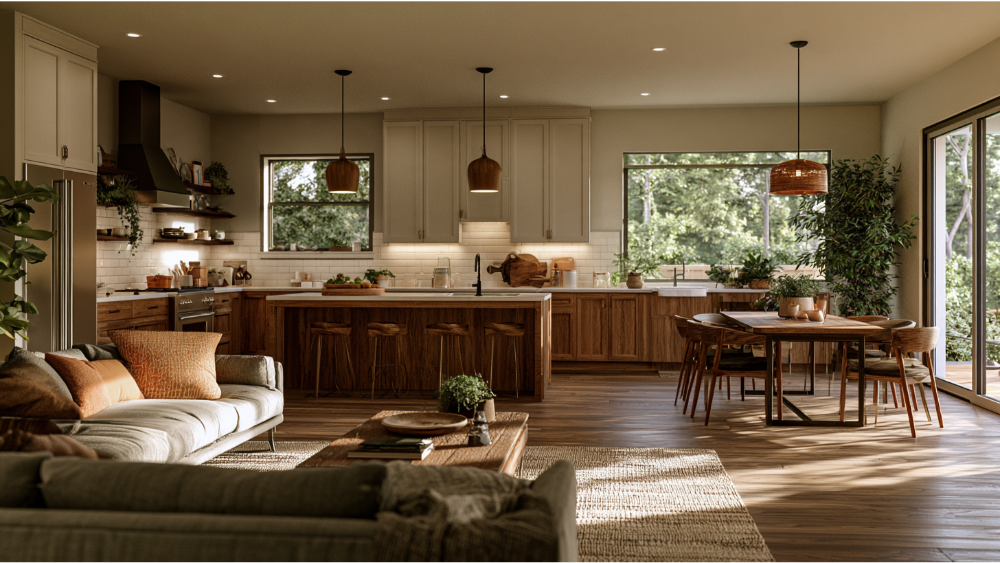
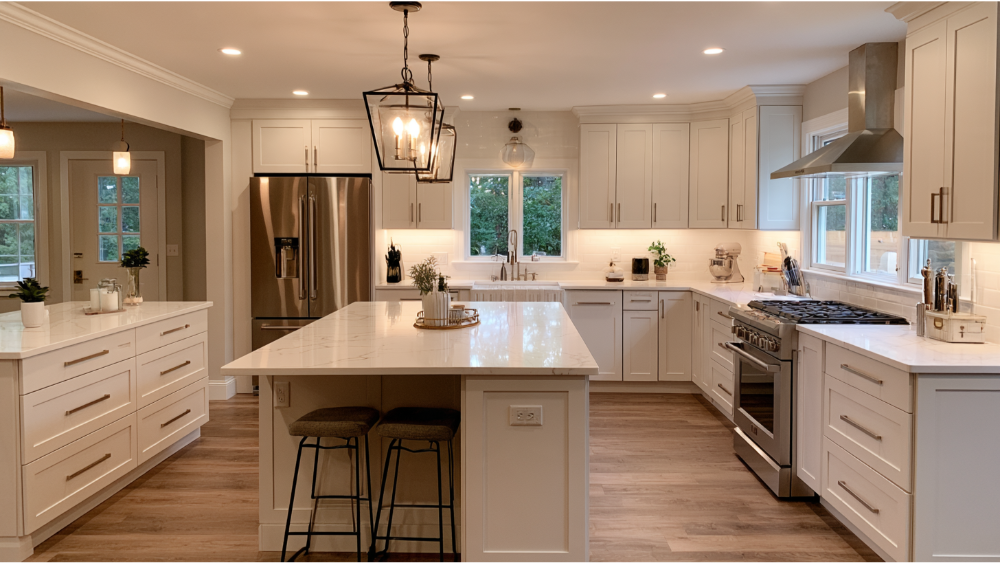
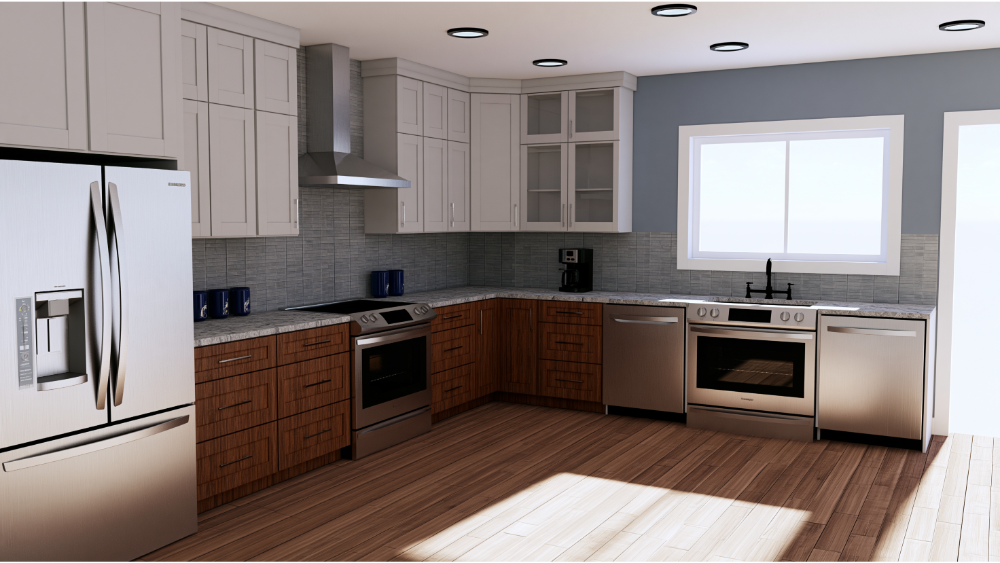
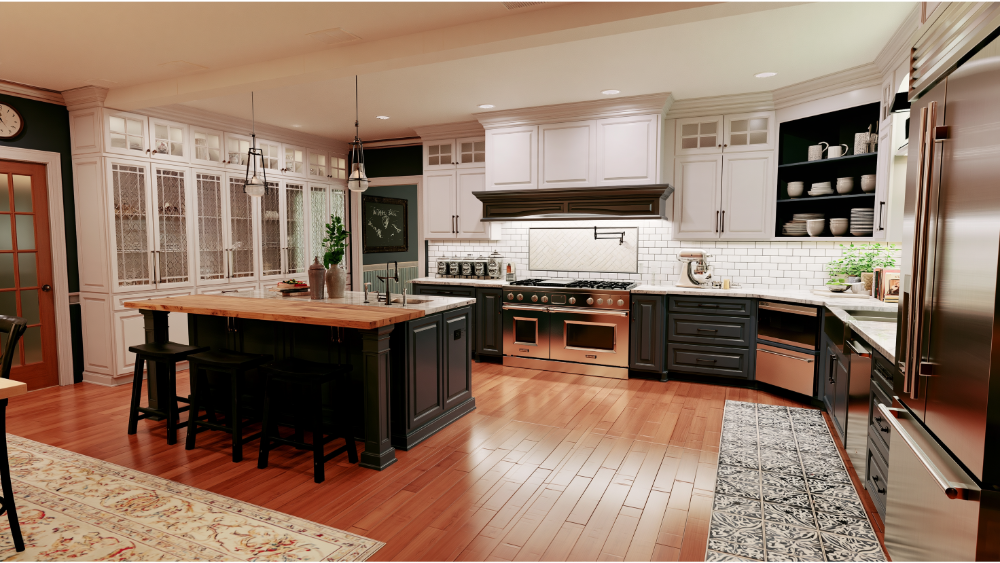
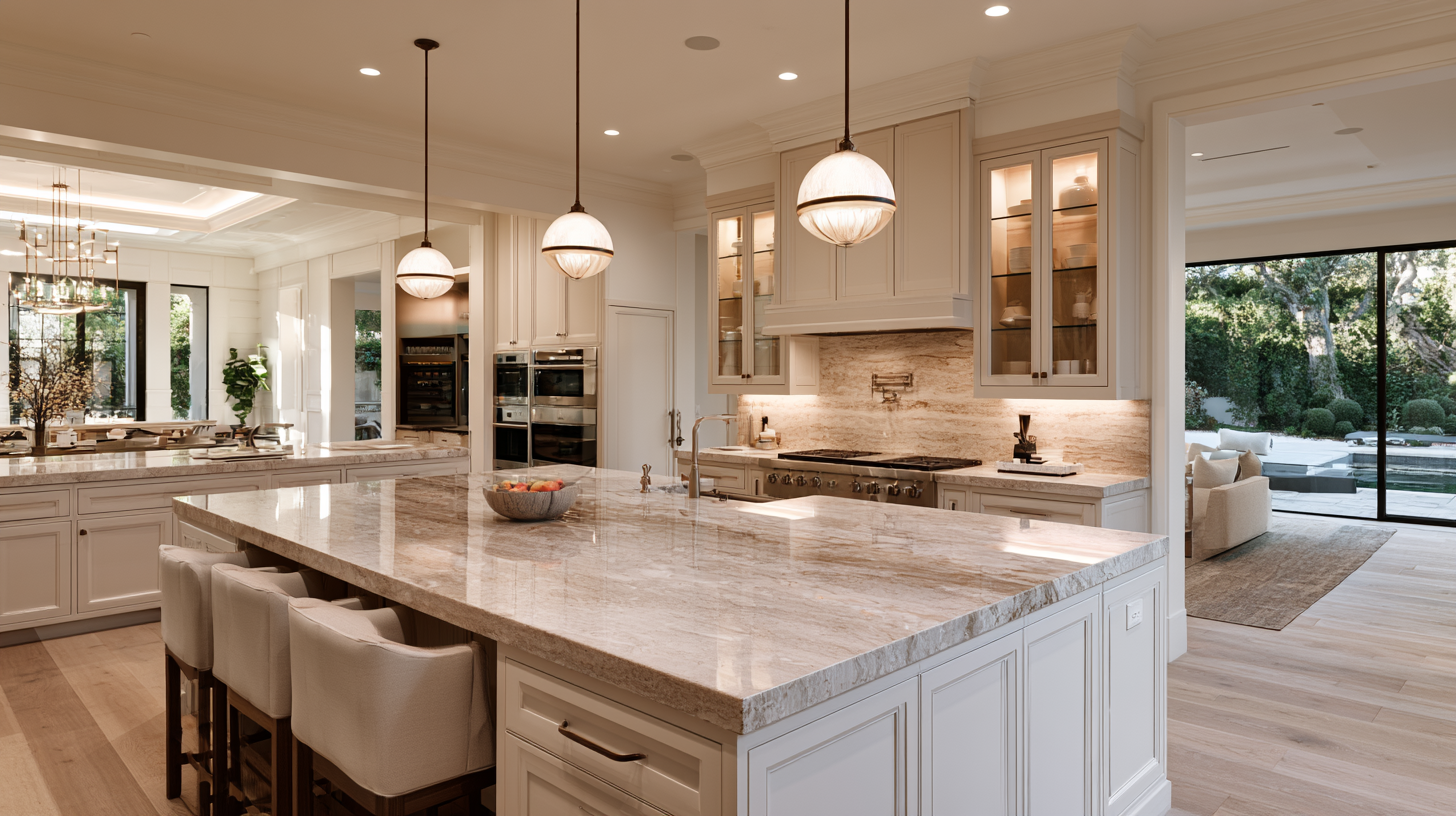
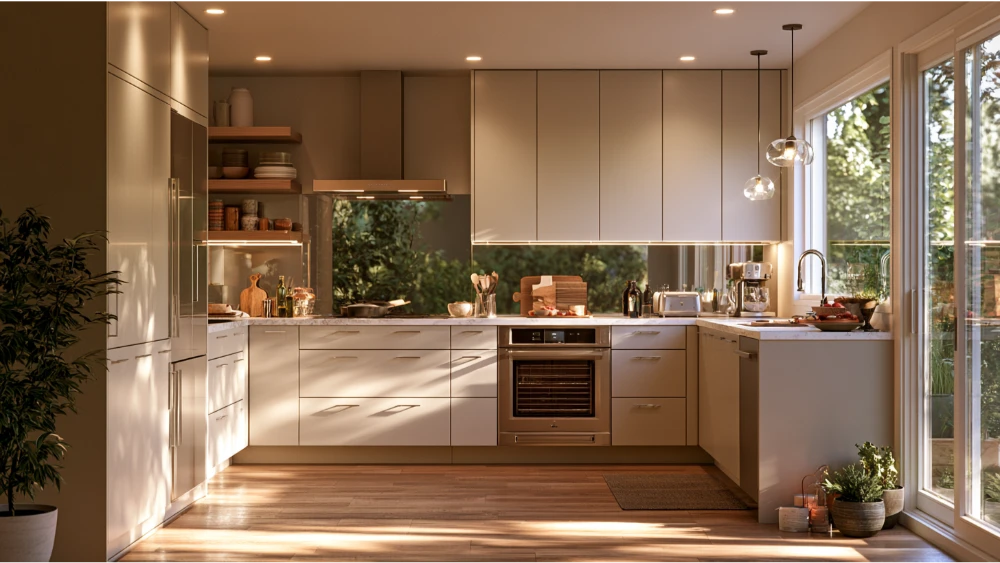
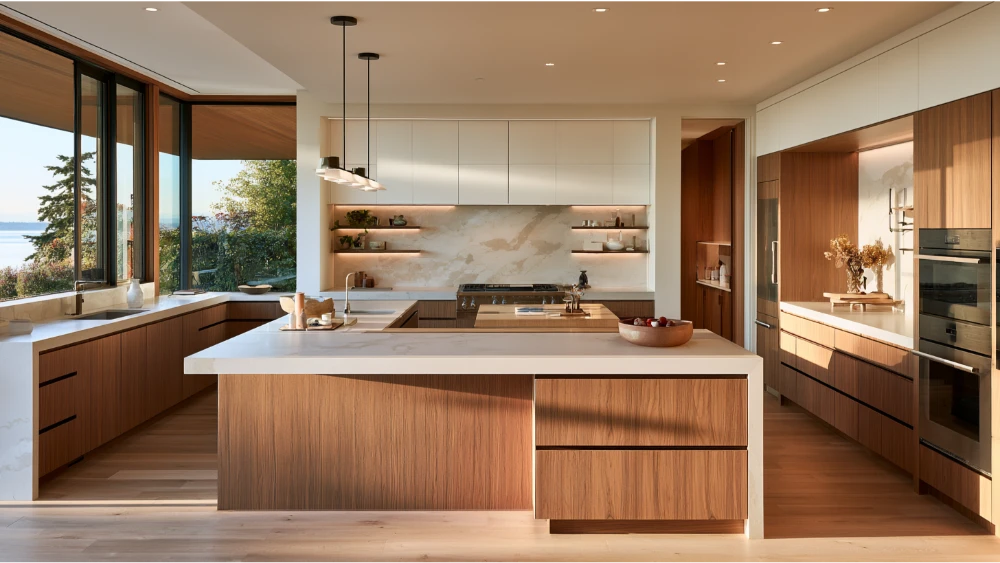
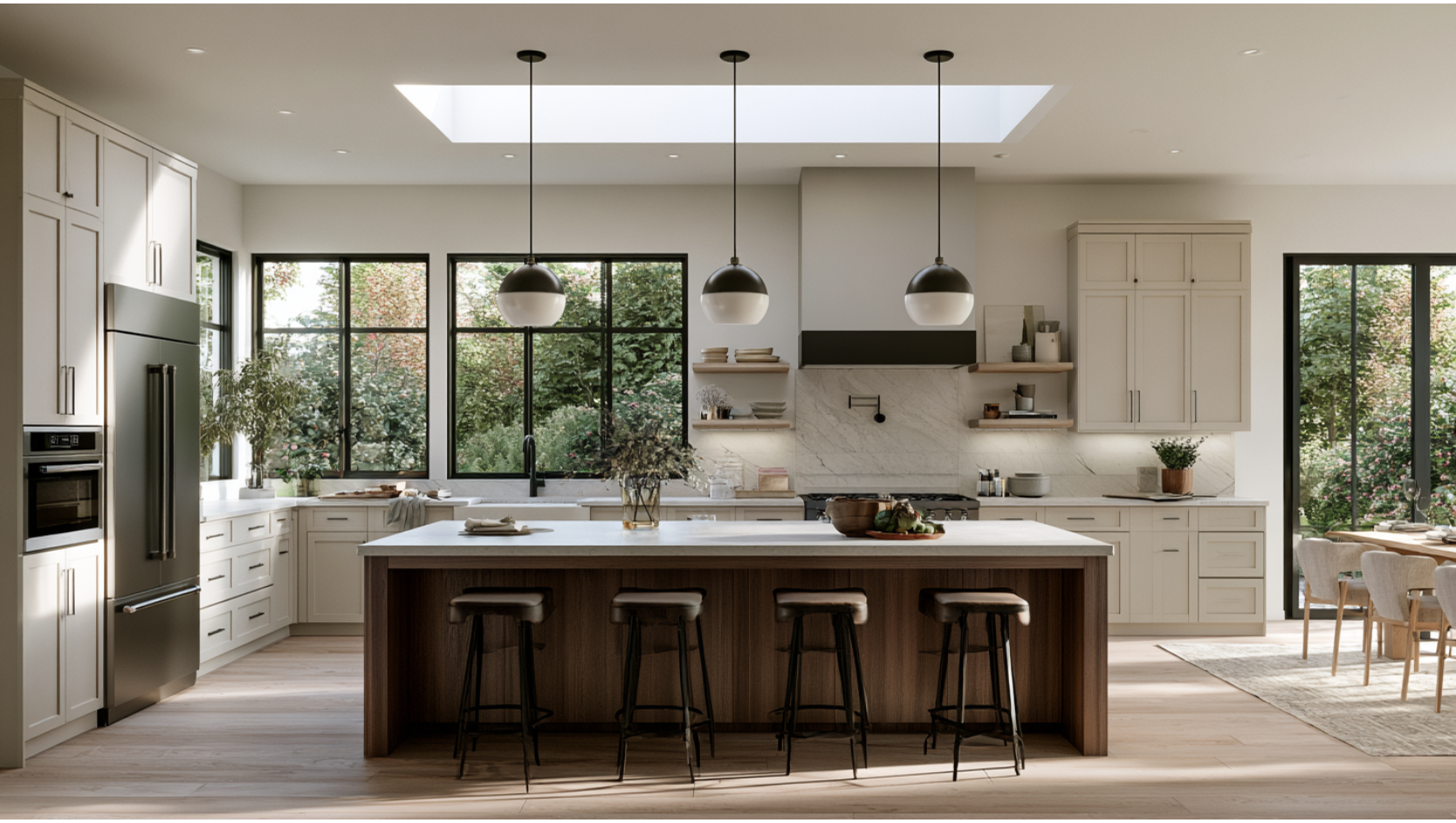
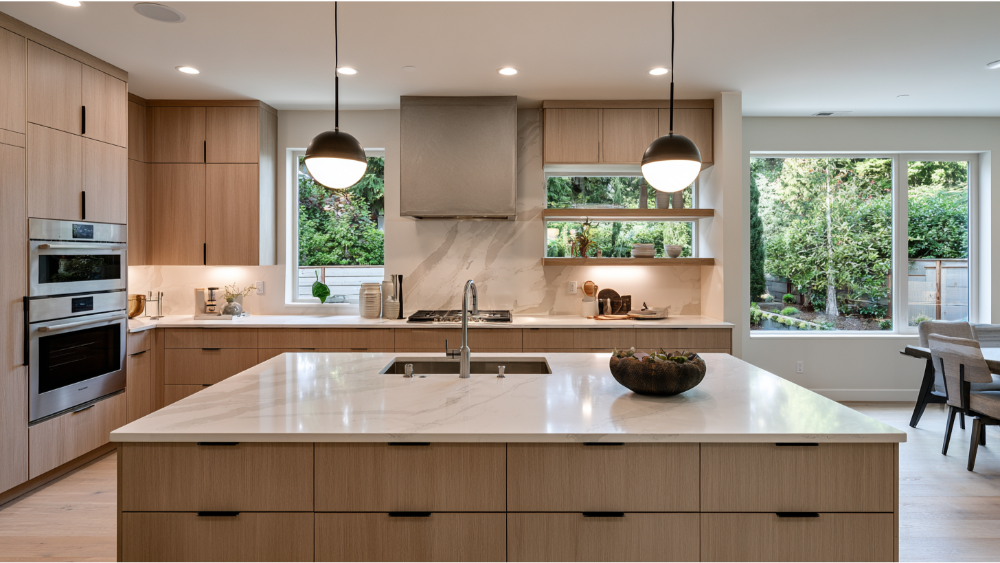
Kitchens are usually the most complex room in a home because so many trades converge in one space. Cabinetry, countertops, appliances, electrical, plumbing or gas, ventilation, flooring, and often a layout change all have to be coordinated. That's why a kitchen remodel cost in the Seattle market can range widely, from around $18,000 for a modest update to $250,000 or more for a full high-end rebuild. (General market figures, not our quotes.)
The single biggest swing is cabinetry. Semi custom cabinets keep costs more predictable, while fully custom cabinetry built to your exact space costs more and delivers a look that fits nothing else. A tile backsplash and smart home integration are smaller line items that still shape the overall cost. We believe quality materials here pay off, because cheap boxes undermine even excellent installation.
On resale, a minor mid range kitchen remodel has performed strongly in Seattle, with cost-recouped figures reported around 118 percent in the 2025 Cost vs. Value data. Treat that as property value context, not a guaranteed return.
Where kitchens surprise homeowners
The costs people don't expect usually come from three moves: removing a wall to open the kitchen, relocating plumbing to a new island or sink, and upgrading an electrical panel that can't handle modern appliances. Any of these can shift a budget quickly, which is exactly why we map them out before construction begins.
Bathroom Remodel Cost in Seattle Per Square Foot

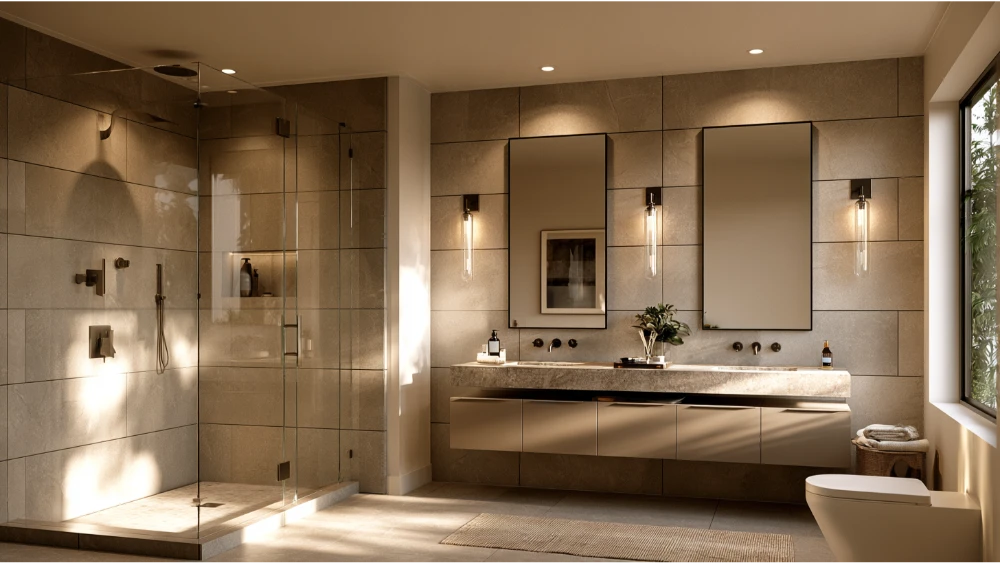
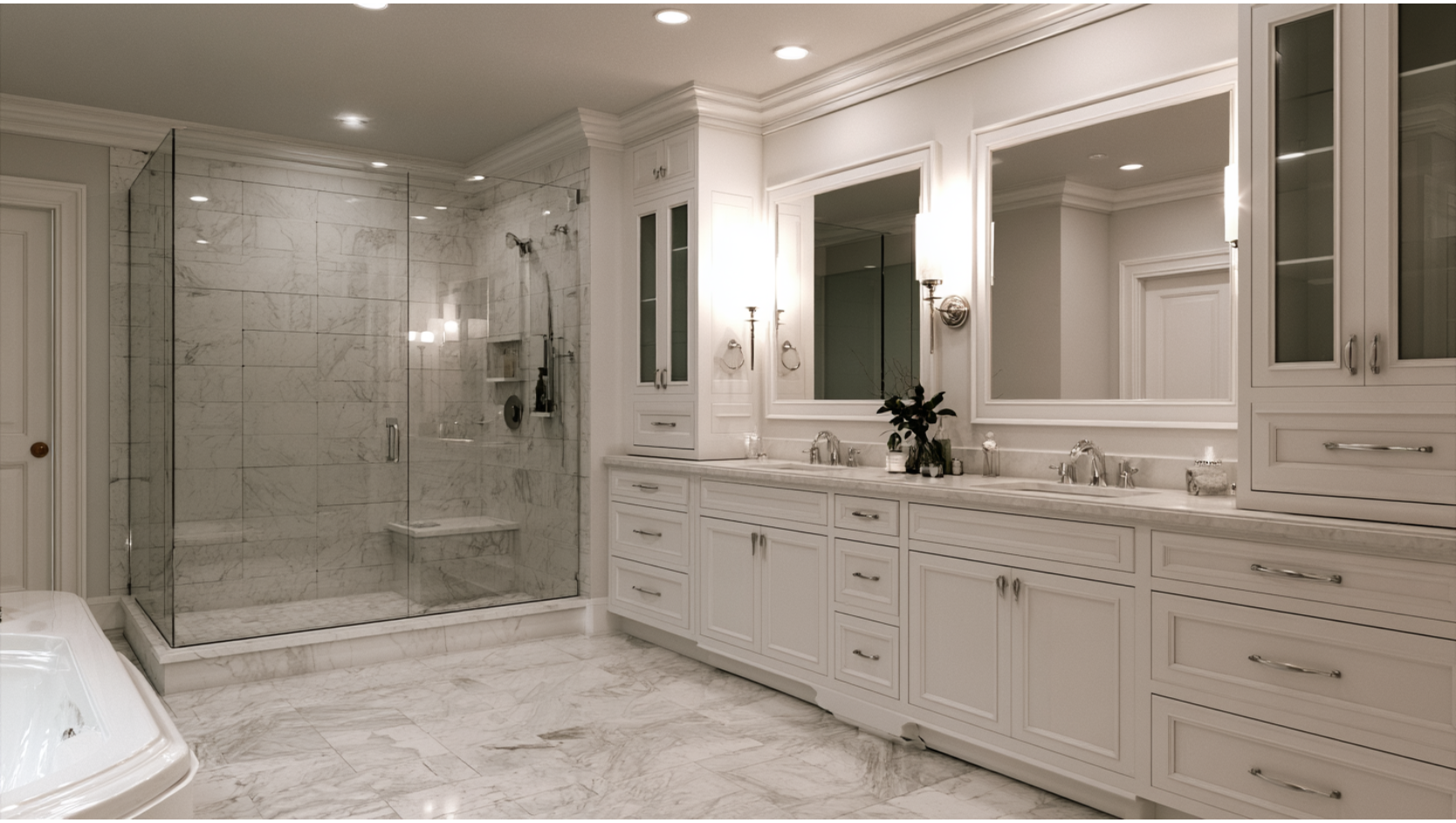
Bathrooms carry a high cost per square foot despite their small size, because so much dense, skilled work gets packed into a tight footprint. Waterproofing, tile labor, plumbing, ventilation, and finishing all compete for space. In the Seattle market, a bathroom remodel commonly ranges from about $5,500 for a simple update to $150,000 or more for a large primary bath. (General market figures, not our quotes.)
Big cost decisions in any bathroom renovation include shower versus tub, heated floors, and whether you're building in accessibility or universal design features. A universal-design remodel has shown solid resale value in Seattle, with cost recouped reported near 59 percent in 2025, a point worth weighing if you plan to stay in your home long term.
The hidden risks behind bathroom walls
Bathrooms hide more surprises than any other room. Behind the tile, we often find rot from years of moisture, aging or corroded plumbing, and no proper vapor barrier. Finding these early is good news, because addressing them is what makes the new work last. We'll always talk you through what we uncover before we proceed.
Basement, Living Room, and Other Remodel Costs
Not every space carries kitchen-level complexity, so it helps to group the rest.
Basement renovations in Seattle
Finished basements in the Seattle market tend to run roughly $35 to $200 per square foot, depending on how much has to happen below grade. Moisture control comes first, followed by ceiling height, egress requirements, insulation, and any seismic or structural changes common to older Puget Sound homes. Adding a bathroom or wet bar brings plumbing into the picture. Basement renovations have recouped around 68 percent of cost in Seattle (roughly 71 percent nationally), making them one of the stronger value plays. Most finishing projects need permits.
Living rooms, bedrooms, and common areas
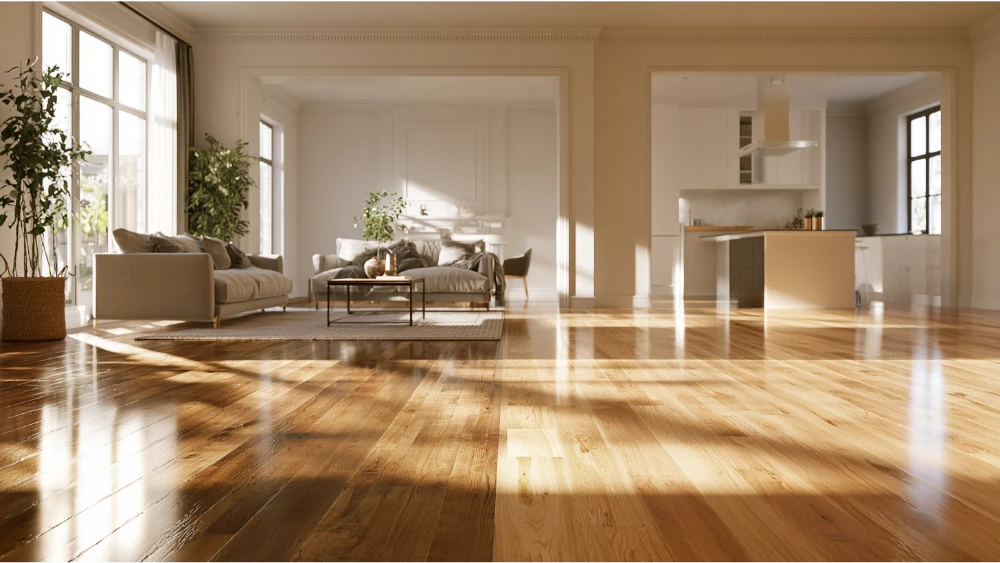
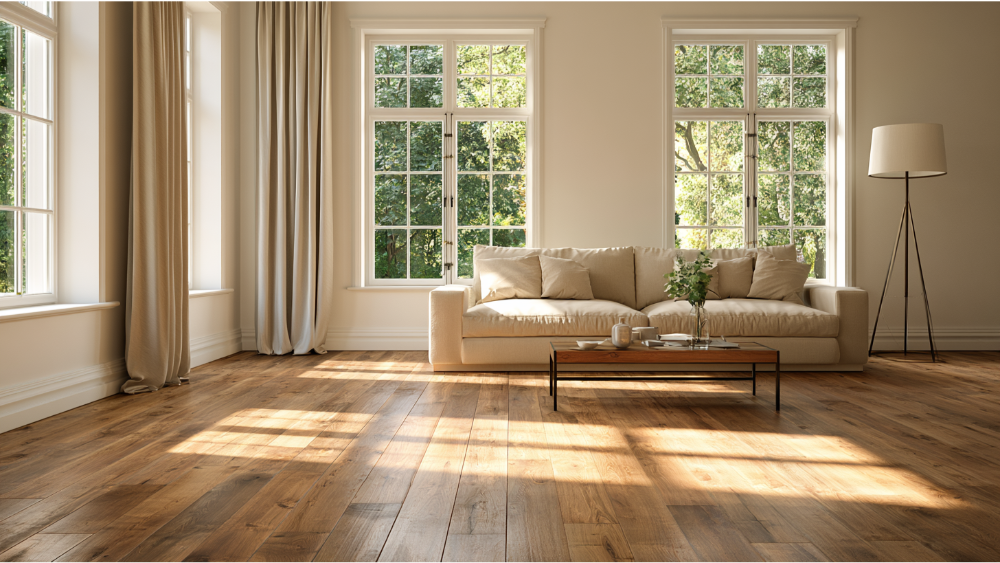
These spaces usually skip plumbing, so finishes and the existing layout drive the budget. Hardwood flooring is popular here, along with drywall, paint, lighting, and built-ins. The cost impact is real even without new pipes, especially when you choose materials that hold up and reflect your style. A garage door replacement is another modest home improvement project that quietly lifts curb appeal.
Laundry, mudroom, and utility spaces
Small but deceptively involved. Plumbing, ventilation, waterproof flooring, and adequate electrical capacity all come into play, and relocating an appliance can mean new lines. Smart storage and millwork are where these rooms earn their keep day to day.
Additions and Primary Suite Costs: Why They're Different

Additions belong in a different cost category than interior remodels because you're creating new footprint. That brings foundation work, framing, roofing tie-ins, structural engineering, HVAC extension, and exterior envelope into play, along with full plan review at the permit office. The cost per square foot on new footprint often outpaces an interior full house remodel for exactly these reasons.
On resale, additions generally recover less than kitchens and baths. Reported Seattle figures put room additions around the mid-50s percent range, a mid range primary suite addition near 27 percent, and an upscale primary suite closer to 16 percent. That doesn't make an addition a bad idea. It means you're buying space and function for how you live, with resale as a secondary consideration. These projects almost always require permits and plan review.
Whole Home Remodel Costs in Seattle: Mid Range Full Remodel and Scope Control
A whole home remodel is where per square foot thinking matters most, and where the range is widest. Seattle benchmarks for a whole house project land anywhere from about $75 to $550 or more per square foot, with most mid range full remodels falling in the $100 to $300 per square foot band. (General market figures, not our quotes.) The spread reflects finish level, how many systems get upgraded, and how much of the layout changes. This is why whole home remodel costs are so hard to pin down from an average alone: two homes of the same square footage can land far apart.
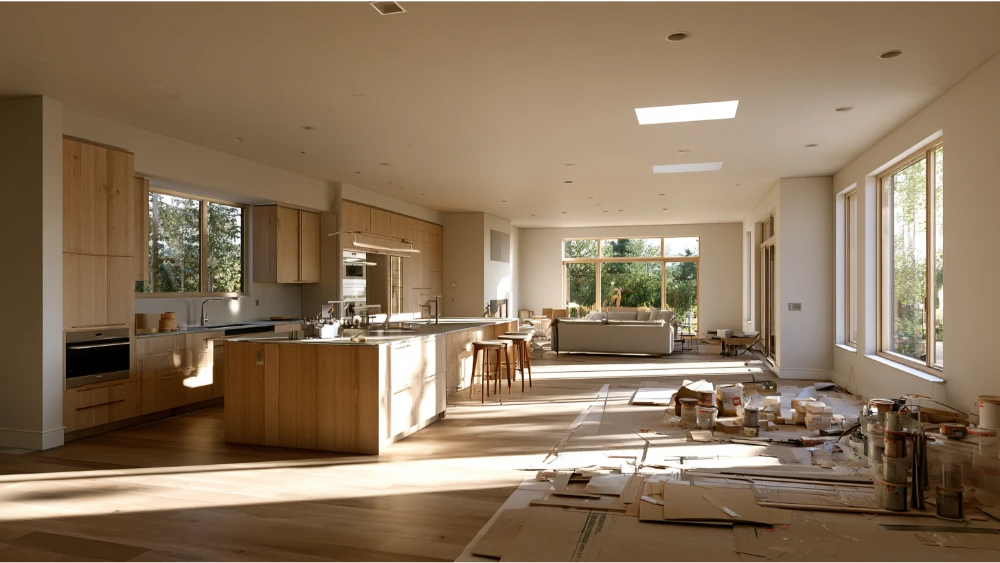
The two big strategic questions are phasing versus doing everything at once, and how much disruption you can tolerate living through. A full gut renovation, sometimes called a gut renovation or a full renovation, opens the whole house at once and is often more efficient for shared trades and systems. Phasing spreads the house remodel cost and lets you stay in the home. Either way, clear planning and efficient project management are what keep surprises out of a mid range remodel this size.
Occasionally a house gut gets close enough to rebuild costs that a teardown deserves a look, usually when the structure or foundation is failing. We believe in open communication about that math up front, so you're never in the dark about the smartest path for your whole house.
Seattle Permits, Sales Tax, and Code Costs to Plan For

This is the part most cost guides skip, and it's where real dollars hide.
Do you need a permit in Seattle?
Most projects do. Seattle's guidance says minor repairs or alterations generally don't require a permit if they cost $6,000 or less in any six-month period, but that exemption disappears the moment work touches load-bearing supports, the building envelope, egress, light, ventilation, or fire resistance. Smaller jobs may qualify for a Subject-to-Field-Inspection (STFI) permit; larger or phased work goes through plan review.
Permit costs vary with project size, value, and review time, and commonly land somewhere between $500 and $6,000. For 2026, SDCI lists a base fee of $292, a standard hourly rate of $292, a land-use review rate of $551 per hour, a 5 percent technology fee, and a minimum STFI plan review fee of $116.75. STFI plan review runs at 40 percent of the calculated fee. Any major structural work that requires engineering will increase costs beyond these figures.
Washington sales tax on remodeling
Washington taxes custom construction on the total contract price, sourced to where the work happens. For Seattle, that combined rate is 10.55 percent (a 6.50 percent state portion plus a 4.05 percent local portion) as listed by the Department of Revenue for Q3 2026. Rates change, so confirm the current figure for your job.
Older-home and code factors
The 2021 Washington State Energy Code took effect statewide on March 15, 2024, so envelope, insulation, window, and HVAC work has to meet it. In pre-1978 homes, EPA's Renovation, Repair and Painting rule applies once work disturbs more than 6 square feet of painted surface inside or 20 square feet outside, and it requires certified, lead-safe practices. Seattle also requires an asbestos survey before renovation or demolition. None of these are optional, and a good contractor plans for efficient systems and compliance from the start.
How to Compare Remodeling Quotes Without Getting Surprised
The fear of surprise costs is real, and the antidote is a detailed, comparable scope. When you review proposals for your home remodel, look for these:
- Written scope of work that spells out exactly what's being done
- What's included and excluded (this is where vague quotes hide gaps)
- Material allowances and whether your actual selections fit them
- Permit responsibility (who pulls and pays for them)
- Timeline assumptions
- Change-order policy in writing
- Communication cadence (how and how often you'll get updates)
- Warranty terms
Before you sign anything, verify the contractor through Washington L&I. Working with a licensed contractor is the single best protection you have. Their online tool confirms active registration, a valid bond, insurance, and workers' compensation. Registered general contractors carry a $30,000 surety bond (specialty contractors $15,000) plus liability insurance of either $200,000 public liability and $50,000 property damage or $250,000 combined. And keep that 10 to 20 percent contingency ready for whatever the walls reveal.
How Oleg & Sons Helps Keep the Process Clear

We built our process around the exact concerns you're carrying right now. It runs in five steps, from beginning to end:
- Consultation and planning, where we listen to your vision and assess your home
- Custom design and material selection, so choices are made before construction, not mid-project
- Professional construction by craftsmen who treat your home as their own
- Final walkthrough and approval, because we don't consider the job done until you're satisfied
- Post-project support, backed by a two-year warranty
That structure exists to give you clear pricing, open communication, and a tailored result built with quality materials. When the scope is detailed up front, surprise changes become the rare exception, not the norm. It's how a family-owned, owner-led company earns trust: by keeping you informed and doing the work right on every remodeling project.


.svg)








.webp)
.webp)
.webp)