

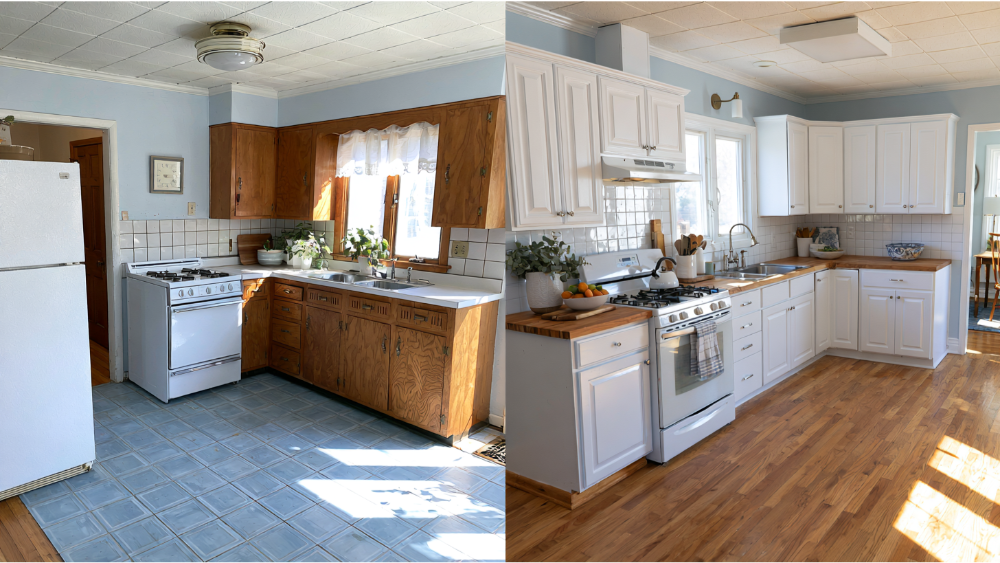
A kitchen project can feel high-stakes, and for good reason: this is the room where daily life happens, and it's a significant investment of money and energy. Here's the short answer. A kitchen renovation improves what's already there, updating finishes, fixtures, and appearance while keeping the basic layout intact. A kitchen remodel changes how the space works, altering the layout, structure, or function. Which one you need comes down to your goals for the room and your budget. This guide is written for the early planning stage, so you can define the right scope before you ever ask for a quote.
Kitchen Renovation vs. Kitchen Remodel: What's the Difference in Plain Terms?

The words come from their roots. To renovate means to make something new again, restoring or refreshing what exists. To remodel means to change the model, altering the form or structure of the space. So a renovation might mean new cabinet fronts, countertops, and paint in the same kitchen you already have. A kitchen remodel might mean moving the sink, opening a wall, or reworking the whole layout so the room functions differently.
In everyday conversation, people use these terms interchangeably, and that's fine. A remodel is not the same as a renovation, but the two overlap, and a single project can include both. You might refinish your existing cabinets (renovation) while also relocating the range and adding an island (remodel). What matters for planning isn't the label you use. It's the scope of work behind it, because that's what drives design, timeline, permits, and cost.
Kitchen Renovation vs. Kitchen Remodel at a Glance
A renovation usually stays lighter and moves faster because the floor plan doesn't change. A remodel reaches deeper into the structure of your house, which often means permits and more coordination. Here's how the two compare when you weigh scope against value.
FactorKitchen RenovationKitchen RemodelMain goalRefresh / restoreReconfigure / transformLayoutUsually stays the sameOften changesCommon workCabinets, countertops, paint, fixtures, flooringMoving walls, plumbing, electrical, island, layoutPermitsSometimesMore likelyScope & disruptionLighterHeavierBest forA kitchen that works but feels datedA kitchen that doesn't function well
What Counts as a Kitchen Renovation?
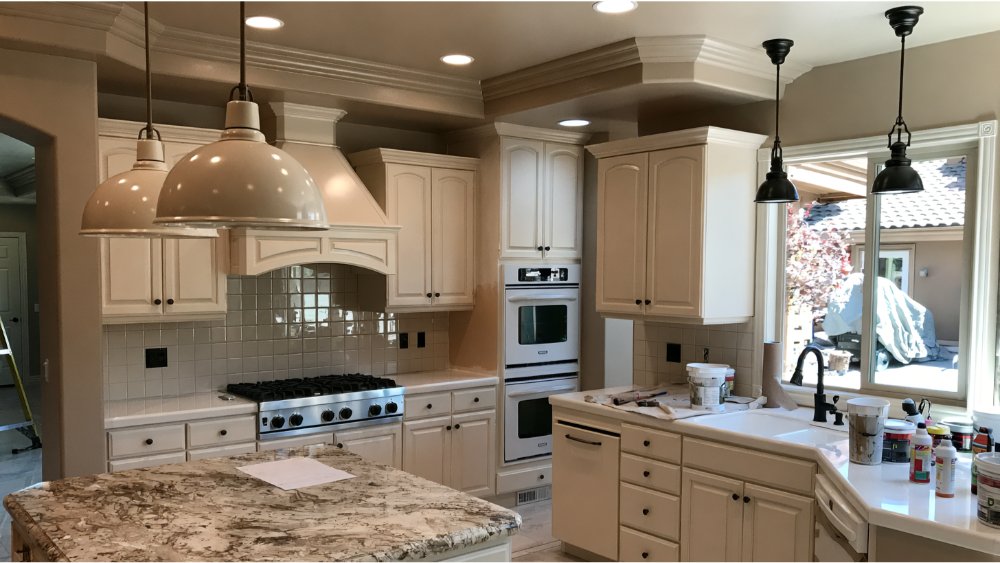
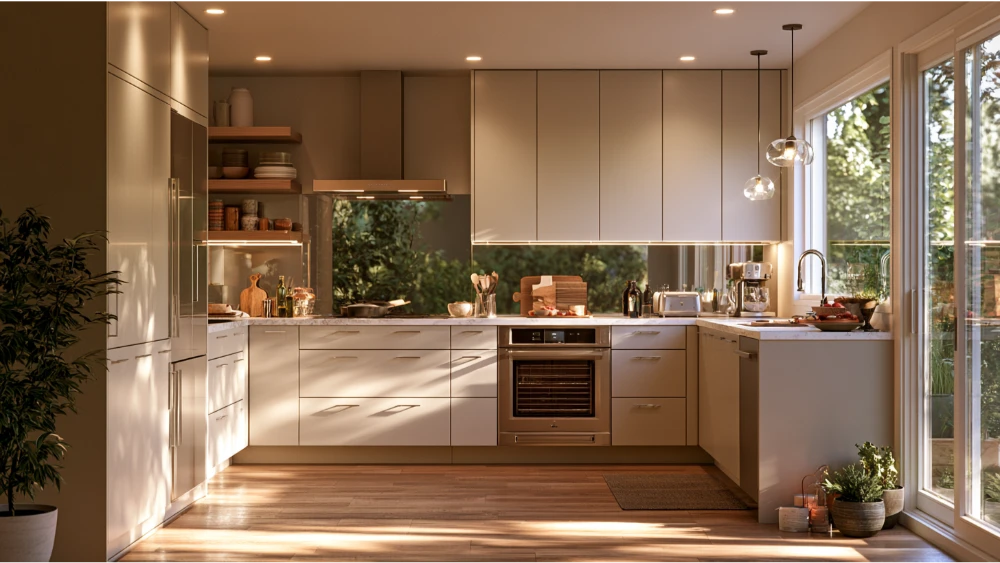
A kitchen renovation makes cosmetic updates without altering the structure of the room. If the kitchen functions the way you want but the finishes feel tired, this is usually your path, and it's often the more budget-friendly route because the footprint stays put. Common renovation work includes:
- Painting or refinishing existing cabinets
- Replacing cabinet doors or hardware
- Installing new countertops in the same layout
- Updating the backsplash to enhance the room's appearance
- Laying new flooring
- Upgrading lighting fixtures without major rewiring
- Swapping appliances into their existing locations
- Fresh paint and trim
Here's the nuance most articles skip: some renovations still trigger trade permits. If a countertop swap includes new plumbing connections, or a lighting upgrade means new electrical work, permits can apply even though nobody moved a wall. The label doesn't decide the paperwork. The actual work does.
What Counts as a Kitchen Remodel?
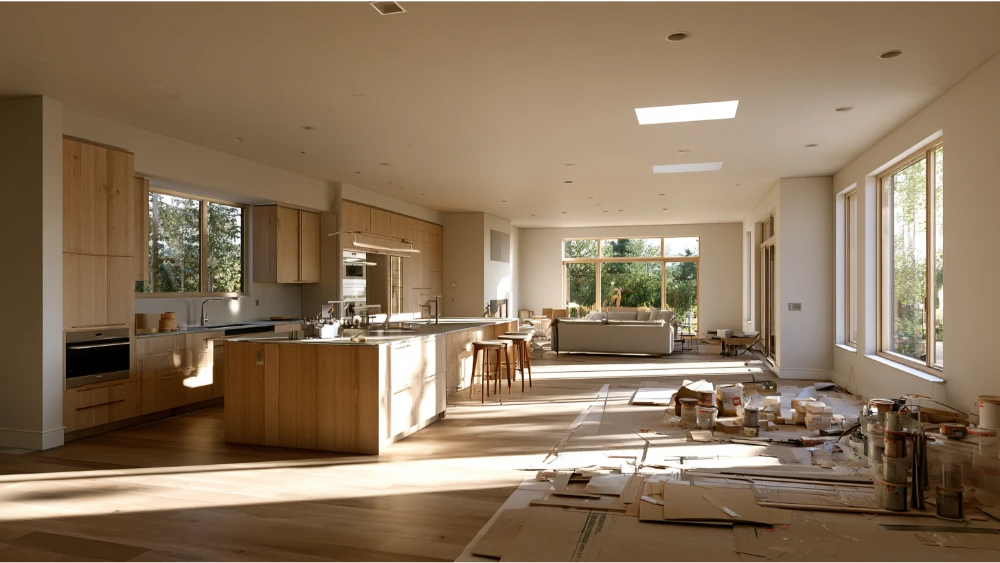
A kitchen remodel involves meaningful changes to layout and functionality. This is where you change how the kitchen works, not just how it looks. A remodel can also reclaim unused space, such as a dead corner or a shallow closet, and fold it into a better working room. Typical remodel work includes:
- Moving the sink, range, dishwasher, or refrigerator
- Removing or adding walls, sometimes reworking the ceiling above
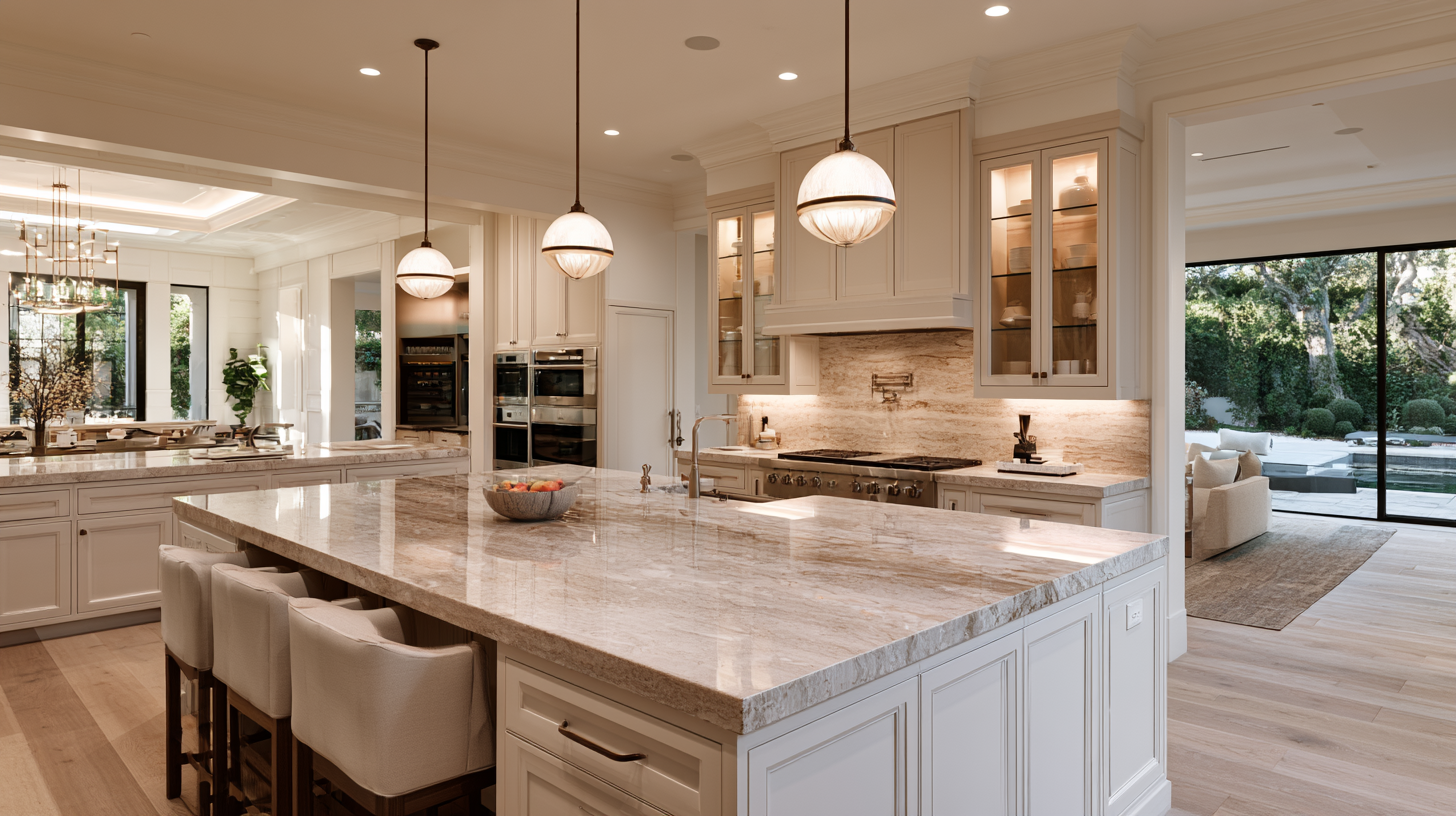
- Adding or reworking an island
- Changing the kitchen's work zones to enhance flow and everyday functionality
- Expanding into an adjacent room to gain space
- Reworking electrical circuits
- Adding new plumbing, new sinks, or ventilation
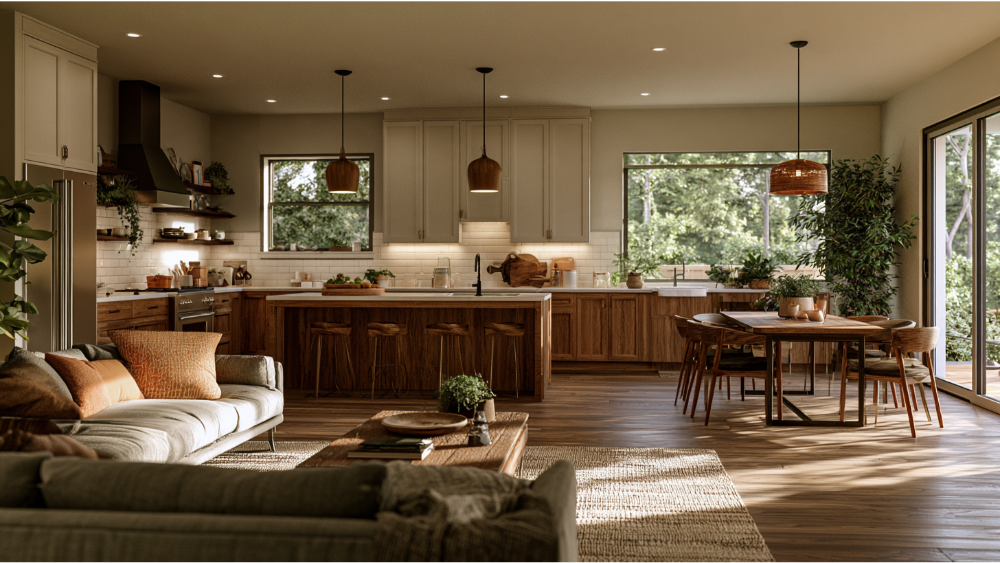
- Opening the kitchen to a dining or living area
Remodels split into two general tiers. A minor kitchen remodel keeps the footprint but updates it meaningfully, while a major remodel reconfigures the structure and layout. As general national context, a minor kitchen remodel tends to average around $20,000 and major remodels around $60,000, since bigger structural changes carry higher costs. Those are broad industry figures, not a quote from us. Real cost depends entirely on your specific project and budget, which is why a custom, transparent estimate is the only number that actually means anything for your kitchen.
Minor Kitchen Remodel vs. Renovation: The Gray Areas Homeowners Always Ask About
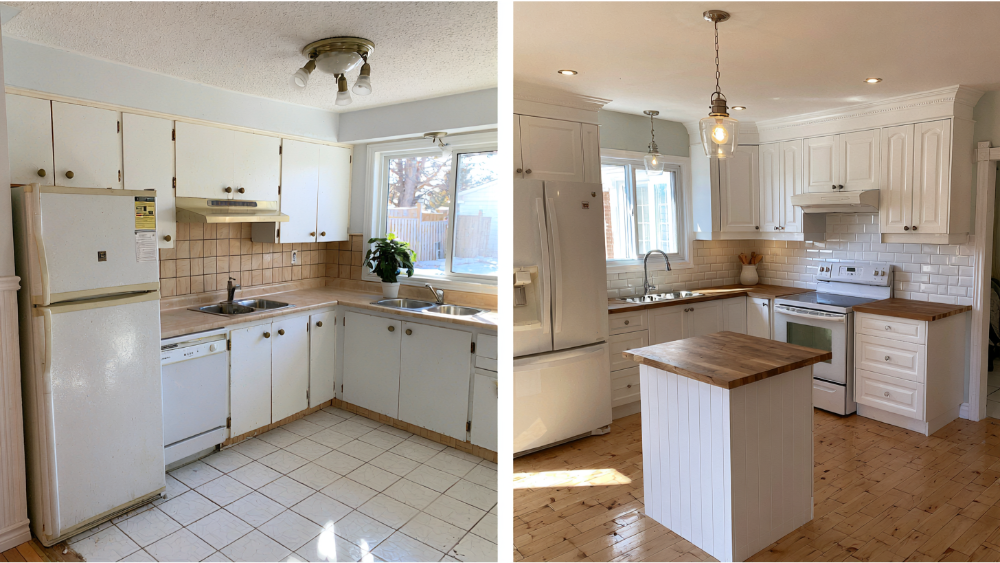
Is replacing cabinets a renovation or a remodel? Renovation if the cabinets go back in the same footprint. It leans toward a remodel if new cabinets change the layout.
Is adding an island a remodel? Usually yes, especially if it changes traffic flow or needs plumbing or electrical run to it.
Is moving a sink or stove a remodel? Yes. Relocating plumbing, gas, or electrical changes how the space functions.
Is replacing appliances a renovation? Yes, as long as new appliances stay in their existing locations.
Is opening a wall always a remodel? Yes. Load-bearing or not, removing a wall changes the room.
Is new flooring a renovation? Typically, yes. The theme holds throughout: what changes decides the category, not the word you use. That difference in scope is what really separates a light refresh from a full remodel.
Why the Difference Matters for Cost, Property Value, and Your Quote
The real value isn't picking the right word. It's defining a clear scope: what stays, what moves, what opens, which trades are involved, what permits may apply, and what the quote actually assumes. Unclear scope is exactly where surprise costs and change orders come from. When everyone understands the work up front, the price you're quoted is the price the project is built around, and your budget stays intact.
There's also a longer view worth naming. A well-planned kitchen remodeling project can add real property value, and a thoughtful renovation can enhance both the daily feel of the room and its resale value. The data backs this up. In the 2026 U.S. Houzz Kitchen Trends Study of 1,780 homeowners, 52% modified their kitchen layout, yet 68% of those kitchens ended up about the same size. Most people improve function without expanding the footprint. And 87% hired at least one professional for the work. We believe transparent, clear pricing starts at the planning stage, not at the invoice. Get the scope right, and there are no surprises later.
Renovate or Remodel? A Simple Decision Checklist

Lean toward a renovation if:
- You like your current kitchen layout
- Cabinets and appliances can stay put
- Your storage mostly works
- You mainly want to upgrade finishes and features
- You'd prefer less disruption and a tighter budget
Lean toward a remodel if:
- The layout frustrates you every day
- Your functional needs, like storage, flow, or prep space, aren't being met
- The sink or appliances are in the wrong spot
- You want to remove a wall or add an island
- You need electrical, plumbing, ventilation, or accessibility changes
In the Houzz study, 41% cited dissatisfaction with the old kitchen's style, while 38% cited deterioration or dysfunction. Style dissatisfaction often points to a renovation. Dysfunction points to a remodel, since creating a more functional layout usually takes structural change and helps determine how the room will serve you into the future.
Planning a Kitchen Project in Bellevue or Greater Seattle
If you're planning to renovate or remodel a kitchen in Bellevue or the greater Seattle area, permit requirements depend on the actual work, not the label. The City of Bellevue does not require a building permit just to replace cabinets or countertops, but plumbing or electrical permits may apply if that work is involved. An interior remodel that changes the layout can require a single-family remodel permit. Before hiring anyone, you can verify a contractor's registration, bond, and record through the Washington State Department of Labor & Industries. And if your home was built before 1978, work that disturbs paint may trigger EPA lead-safe RRP rules. We serve Bellevue, King County, and Snohomish County.
How Oleg & Sons Helps You Define the Right Scope

With 12 years of experience, we've learned that a smooth remodeling experience starts with a clear plan. Our five-step process is built to keep you out of the dark from start to finish, whether you're planning a light renovation or a full kitchen remodel. Good contractors give a tired room new life, and we treat every project that way.
It begins with a free consultation and planning, where we listen and define the scope and budget together. From there we move into custom design and material selection, a selection process tailored to your vision using high quality materials, with sustainable options whenever possible. During professional construction, our skilled craftsmen work with meticulous attention to detail and keep you updated as the project moves. At the final walkthrough and approval, we're not done until you're satisfied. Then comes post-project support, backed by a two-year warranty, because the commitment continues after handoff. Being owner-led means personal accountability on every job, and clear pricing means no surprises along the way, whether the goal is to enhance the look of the space or transform how it functions. The quality of the materials and the elements we choose is what delivers lasting results and real benefits for your home.


.svg)










.webp)

.webp)


.webp)


