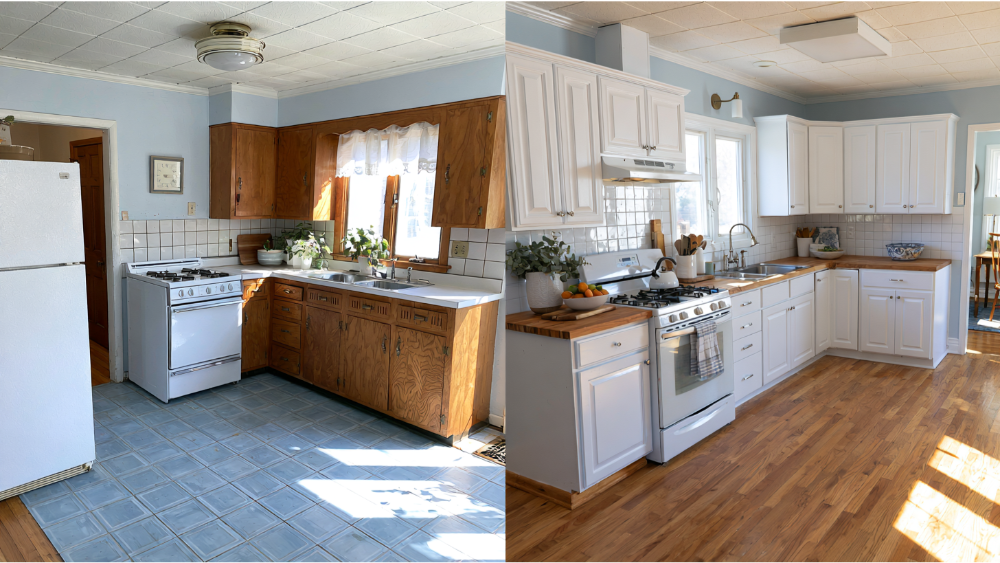

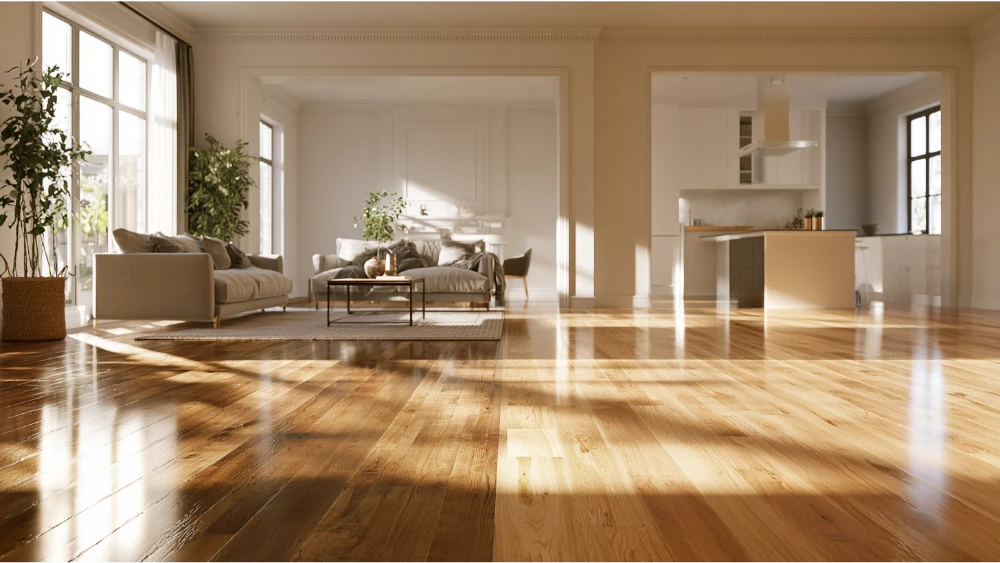
Hardwood Floor Refinishing vs Replacement: The Short Answer
Refinishing is usually the better choice when your hardwood is structurally sound, has enough usable wood left to be sanded, and the damage is mostly cosmetic. Replacement makes more sense when the floor is too thin, severely water-damaged, unstable, poorly installed, or when you want a completely different material, layout, or floor height. That's the rule of thumb, and it holds up in most homes we walk into.
Hardwood floors are one of the most visible surfaces in your home, and this is a real investment of money and energy. Getting the call wrong is expensive and stressful, so this guide is meant to help you decide with confidence before anyone gives you a quote.
Quick Decision Guide: Recoat, Refinish, or Full Replacement
There are three paths, not two. A screen-and-recoat freshens only the finish layer. A full refinishing job sands the wood down to raw wood and rebuilds the surface. Replacement means new planks. Knowing which one your floors actually need saves you from paying for more work than the situation calls for.
What Full Refinishing and Hardwood Floor Resurfacing Actually Mean
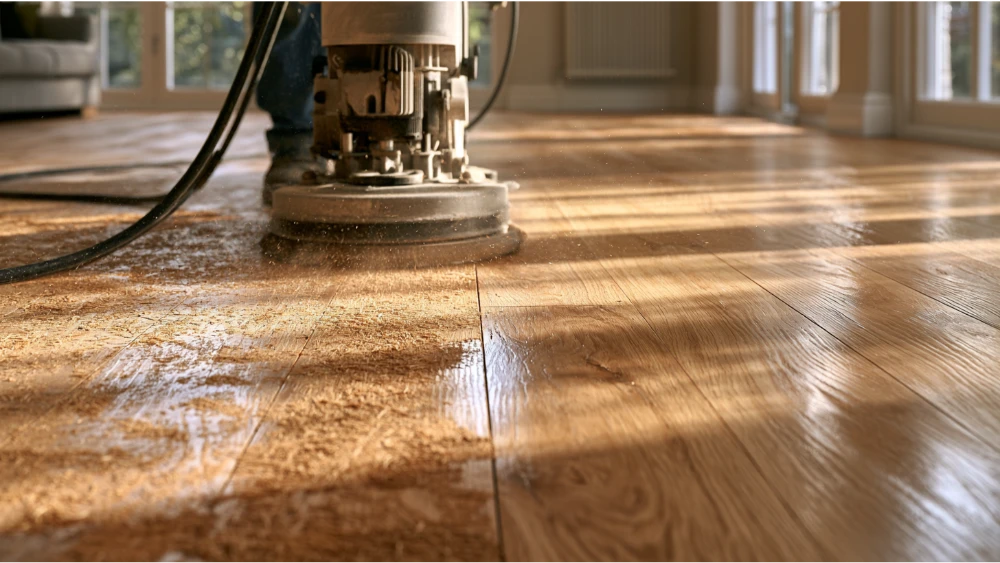
The National Wood Flooring Association defines refinishing as sanding a previously finished floor down to bare wood and applying new stain or finish. That's the full refinishing version. The sander removes the old finish and a thin layer of wood, which erases scratches and lets us change to a new stain color if you want something different. A fresh finish then goes on top to protect the surface and give you a durable, lasting result. This sanding process is why worn hardwood can look brand new without replacing a single plank.
A screen-and-recoat is the lighter cousin, sometimes called hardwood floor resurfacing. It abrades only the existing finish and adds a new topcoat, without touching the raw wood underneath. If your wood floors look tired but the wood underneath is healthy, a recoat may be all you need, and it uses up none of your floor's sanding life. Prefinished floors and engineered floors can sometimes take a recoat too, though the factory applied finish on some pre finished flooring calls for extra prep so the new coat bonds.
When Refinishing Hardwood Floors Is Usually the Right Choice
If the damage lives on the surface and the wood beneath is solid, hardwood floor refinishing almost always wins. We'd rather preserve quality hardwood floors than tear out something that still has years left in it.
- Surface scratches and scuffs from daily traffic
- A dull, worn finish that's lost its sheen
- Faded or dated stains you'd like to change to a different color
- Minor surface stains that haven't soaked through the boards
- Solid hardwood like oak with plenty of sanding life left
- An engineered wood floor with a wear layer thick enough to be sanded
Refinishing hardwood floors is the cost-effective path when your floor is fundamentally sound. There's no reason to replace hardwood that a good sanding and a quality finish can bring back to life, and it keeps that classic look most homeowners hope to protect.
When Replacing Hardwood Floors Is the Smarter Long-Term Call
Sometimes new flooring is the honest answer. When floors can't be saved or no longer fit your plans, replacing hardwood floors protects your investment better than a refinish that won't last.
- A wear layer too thin to be sanded, often from prior over-sanding
- Severe or ongoing water damage that no hardwood floor repair can undo
- Loose, buckled, or structurally unstable floorboards
- A loose subfloor or subfloor problems that need to be corrected before installation
- Deep gouges that reach past the wood's usable thickness
- A major layout or design change in one or more rooms
- Wanting wider planks, a different species, a new install pattern, or a different floor height
Design goals count here too. If you're set on wide-plank white oak where you currently have narrow oak strips, refinishing can't get you there. New hardwood installed with new boards can, and the fresh material gives you a clean start on the entire floor.
Can Engineered Wood Floors Be Refinished, or Should You Replace?
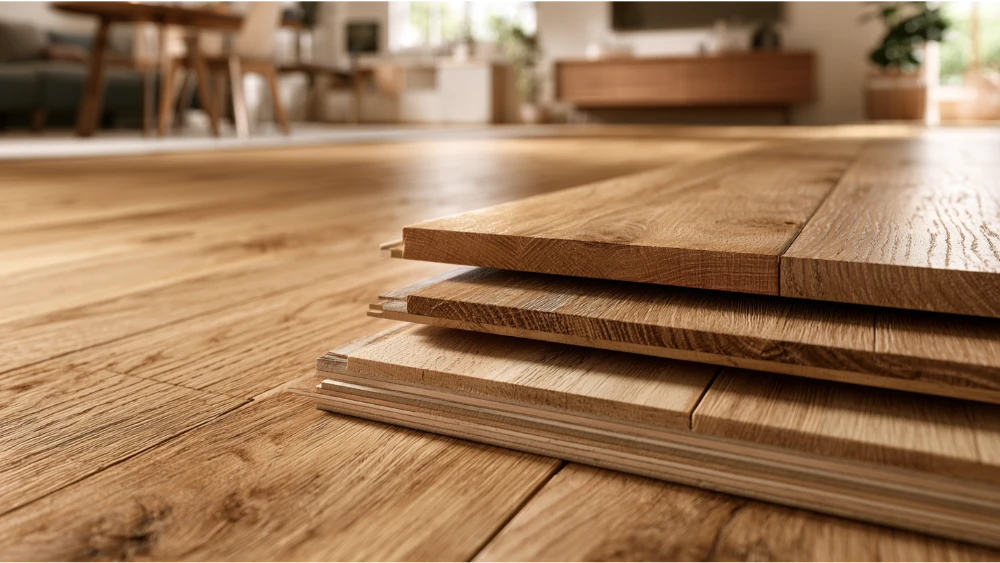
Sometimes, and it comes down to thickness. The NWFA recognizes three real-wood categories: solid wood, engineered wood, and composite engineered wood. Engineered hardwood is real wood on top, built over veneers or slats glued in opposing directions. The wear layer is that top slice of real wood, and it's what you have to work with when the planks are sanded.
The NWFA's voluntary Engineered Wood Flooring Refinishable Program sets useful minimums: a 3.2 mm wear layer for unfinished products and 2.5 mm for factory-finished products. Sculpted or distressed floors need at least 2.5 mm at their lowest point and get evaluated case by case. That's why solid hardwood usually has more sanding life; it's real wood all the way down, whether that's oak, maple, or pine. Because you can't eyeball a wear layer, a contractor should check a floor vent, a threshold, or the manufacturer specs on your existing wood floor before deciding to refinish hardwood floors or replace them.
Water Damage and Moisture: The Problem You Can't Ignore
Watch for cupping (edges rising higher than the center), crowning (the opposite), buckling, black stains, and soft spots underfoot. These signal moisture, and moisture is the one issue you can't sand away, no matter how careful the repair.
The NWFA is blunt about it: never install wood floors over a known moisture condition. Moisture should be tested so unknowns become known and can be handled properly. Their guidance calls for at least 20 moisture-content test locations across the first 1,000 square feet, plus 4 more readings per 100 square feet after that. The point is simple. If you replace hardwood without finding and fixing the water source first, the new floors fail too. Diagnosing comes before demolition.
Safety and Indoor Air: Dust, Fumes, and How to Cure Windows for Airflow

Both the refinishing process and replacement stir up dust and fumes, so a little planning keeps your interior comfortable. When floors are sanded down, fine dust travels fast, and paints, varnishes, sealants, and adhesives can release VOCs. The EPA has found levels of about a dozen common organic pollutants running 2 to 5 times higher indoors than outdoors during work like this.
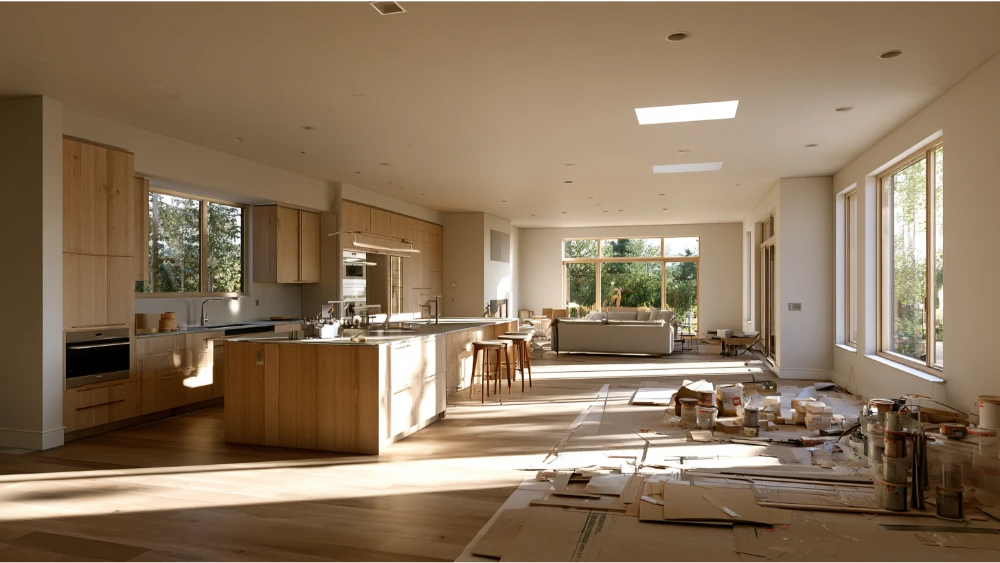
The EPA recommends barriers to contain dust, local exhaust ventilation, keeping occupants (especially children) out of the work area, and letting VOC-heavy materials off-gas outside when possible. Curing takes time too, so many homeowners open or cure windows for airflow and stay off freshly finished floors until the coats set. Moving furniture out ahead of time protects it and clears space for the crew. One more caution for older homes: residential lead-based paint was banned in 1978, and about three-quarters of pre-1978 homes still contain some. Disturbing older painted or coated surfaces where old material sits exposed may call for lead-safe work practices. We handle these situations carefully and by the book.
Design Considerations: When New Flooring Supports a Bigger Renovation
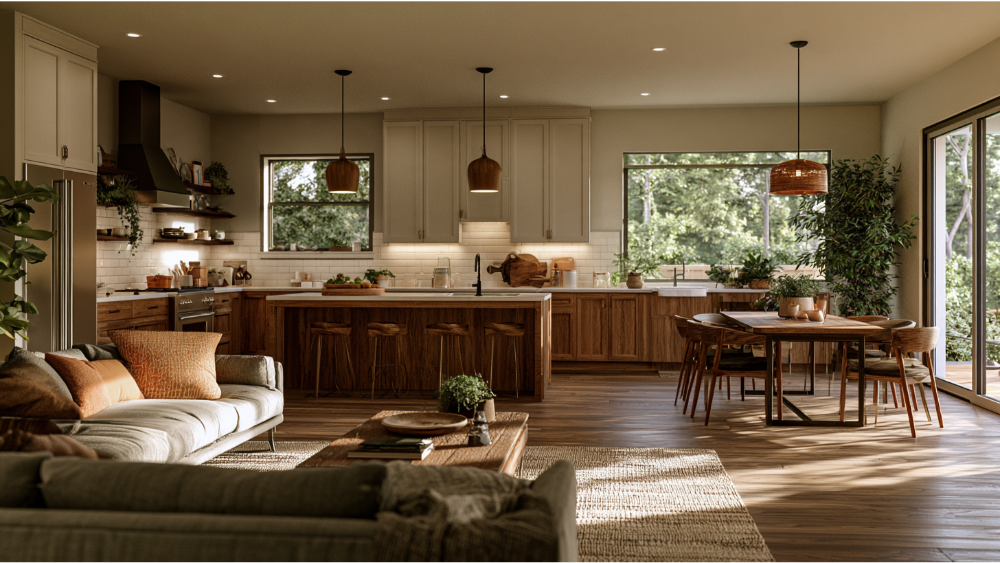
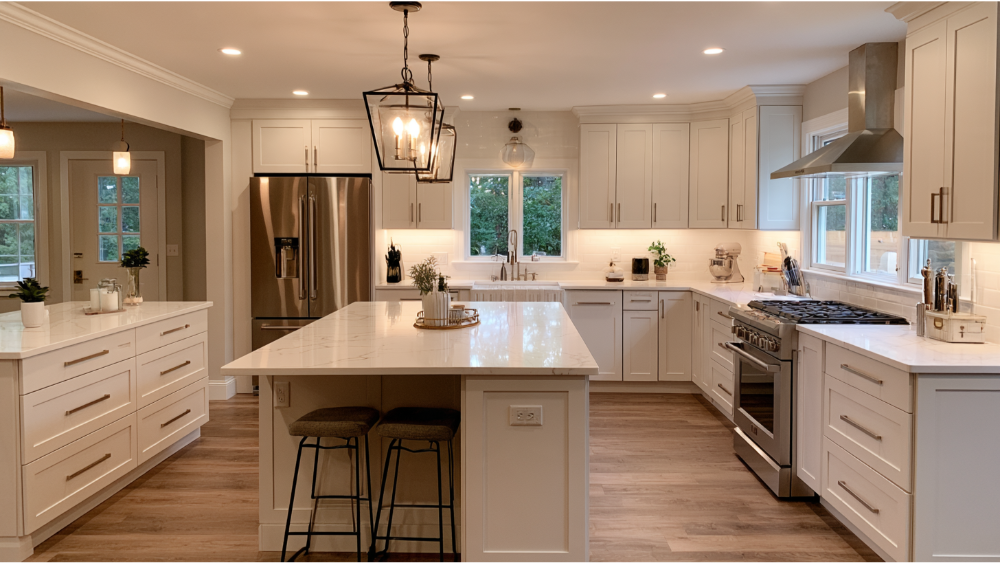
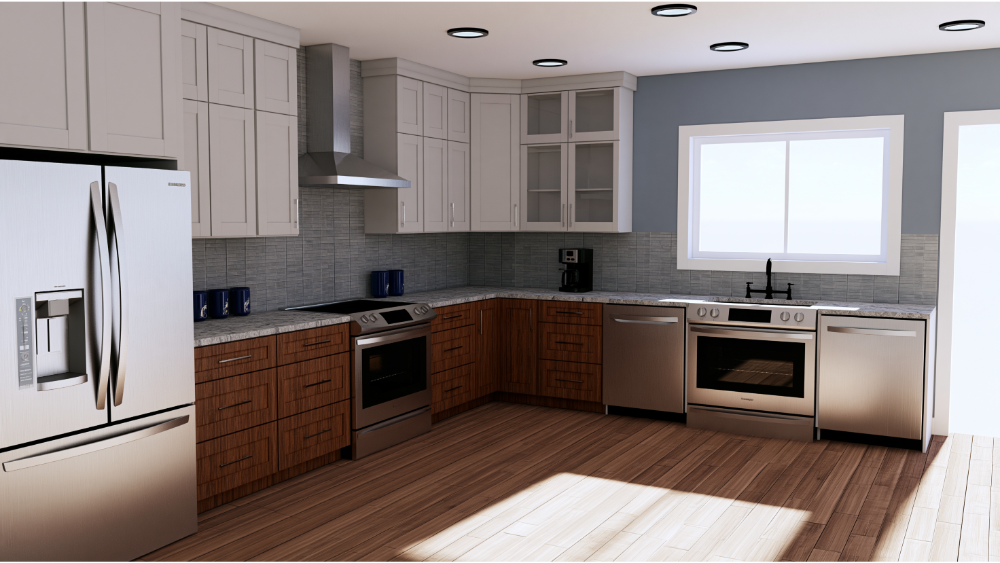
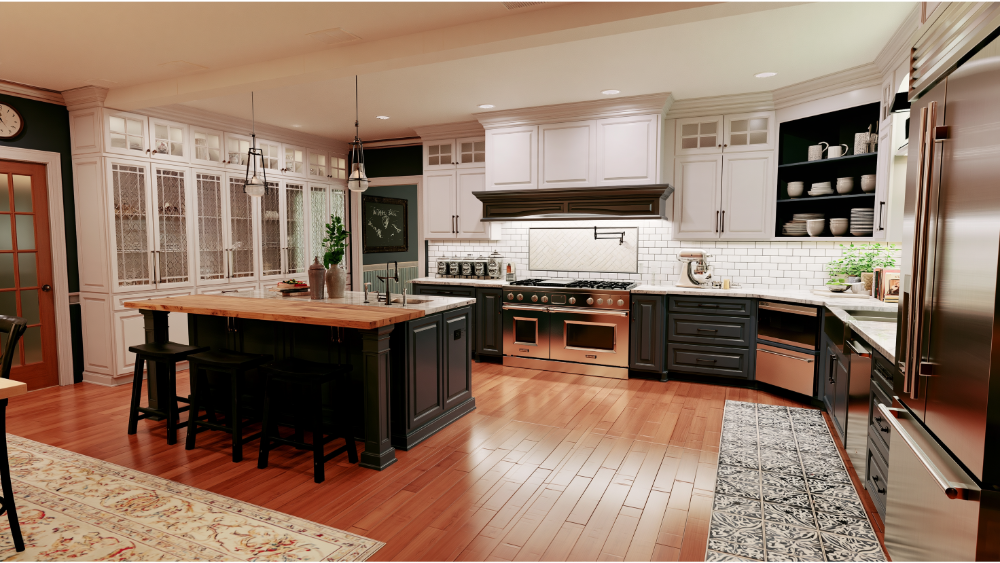
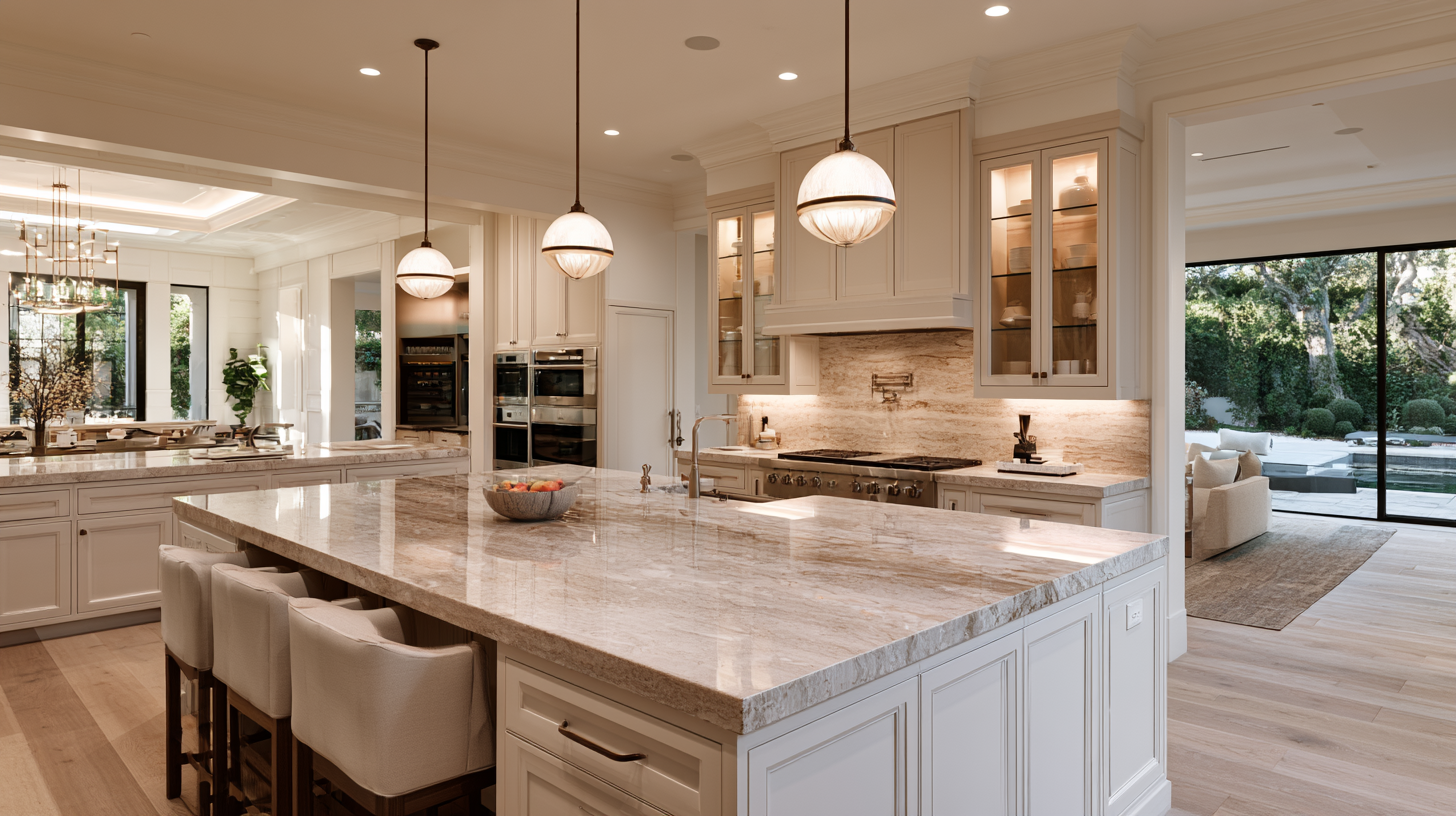
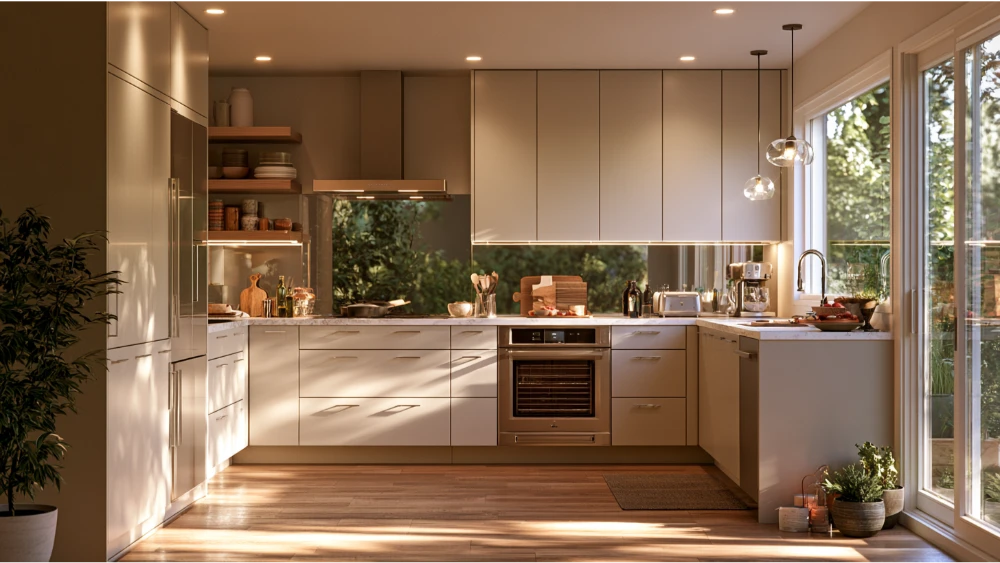
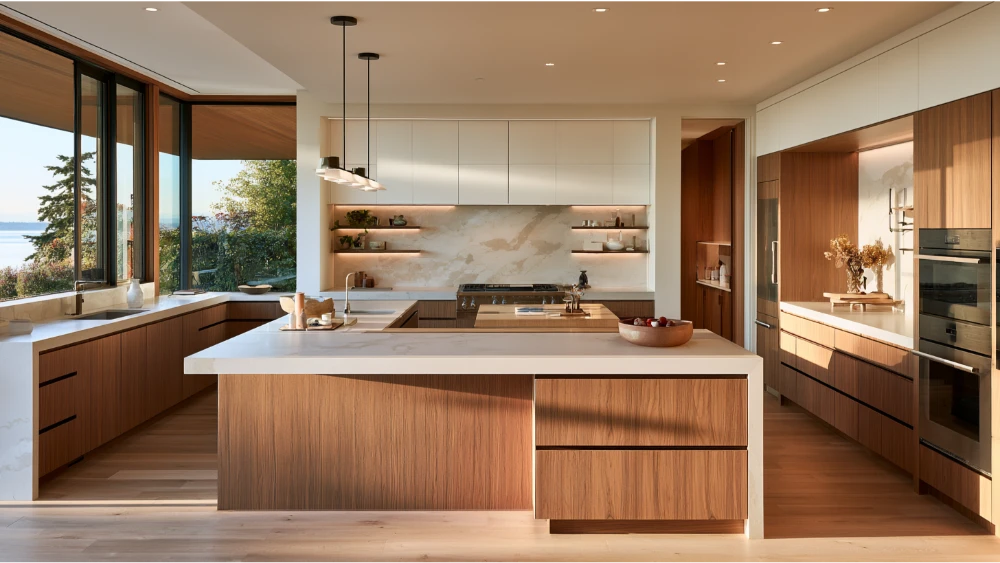
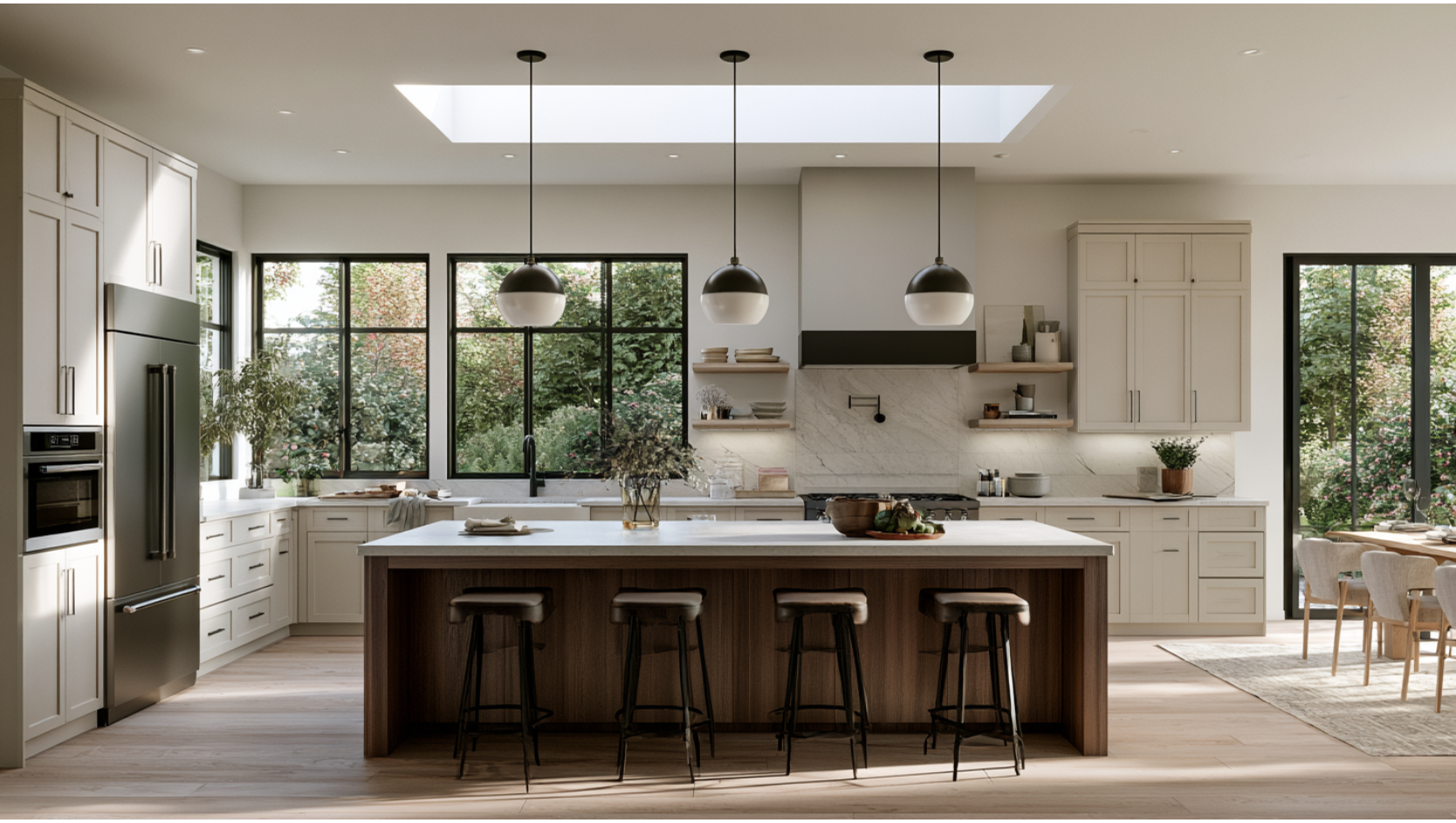
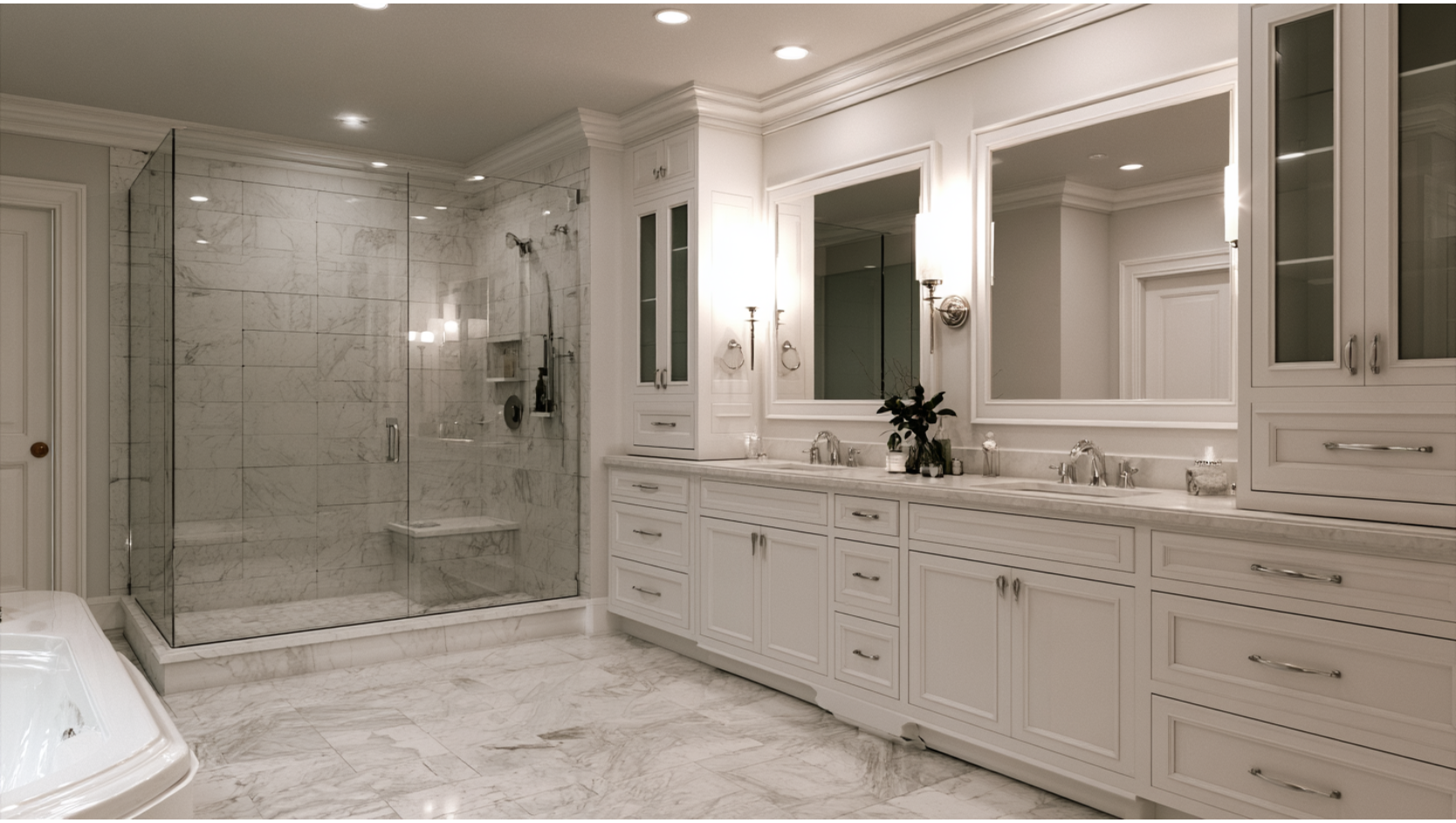
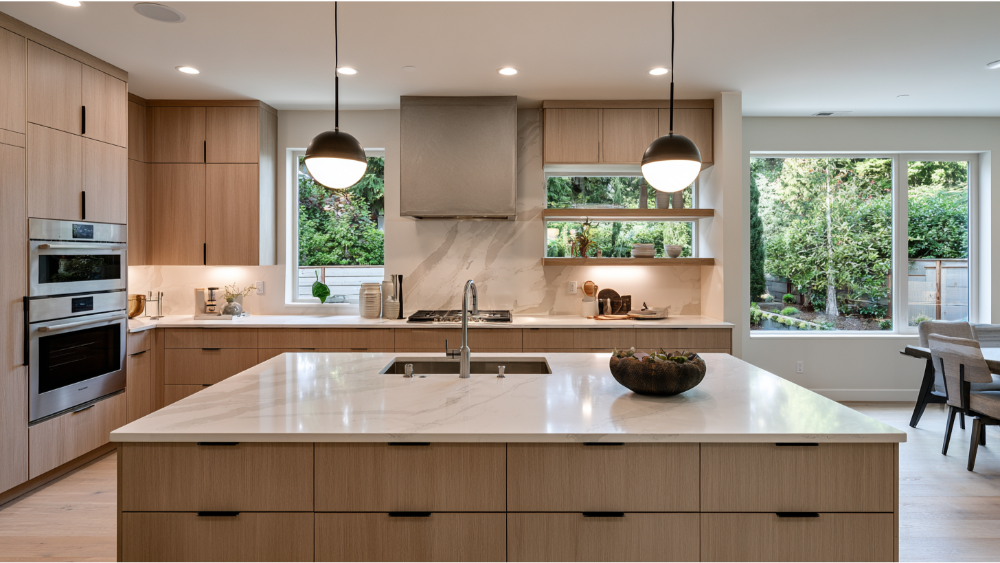
Flooring rarely stands alone. When it's part of a kitchen remodel, a bathroom project, or a whole-home renovation, the floor decision ties into everything around it. Matching new hardwood to existing hardwoods takes skill, since species, age, and finish all affect the final look. Floor-height transitions matter when you move between rooms or add new material next to old.
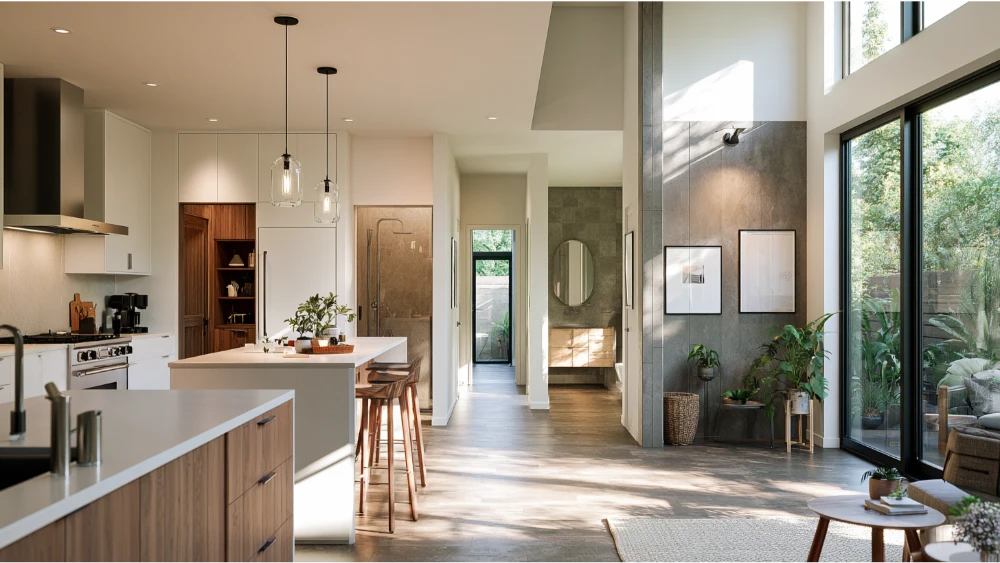
Open-concept layouts read best with continuous hardwood floors, and stair treads should relate to the floors they connect. A new island or a change in cabinet layout can shift where flooring runs and how the planks are cut. Some homeowners weigh hardwood against laminate or pulling up old carpet to reveal wood, and each choice sits alongside the ongoing maintenance you'll want to plan for. We plan these details around your vision so the result feels intentional, not patched together.
Resale and Long-Term Value of Hardwood Floors
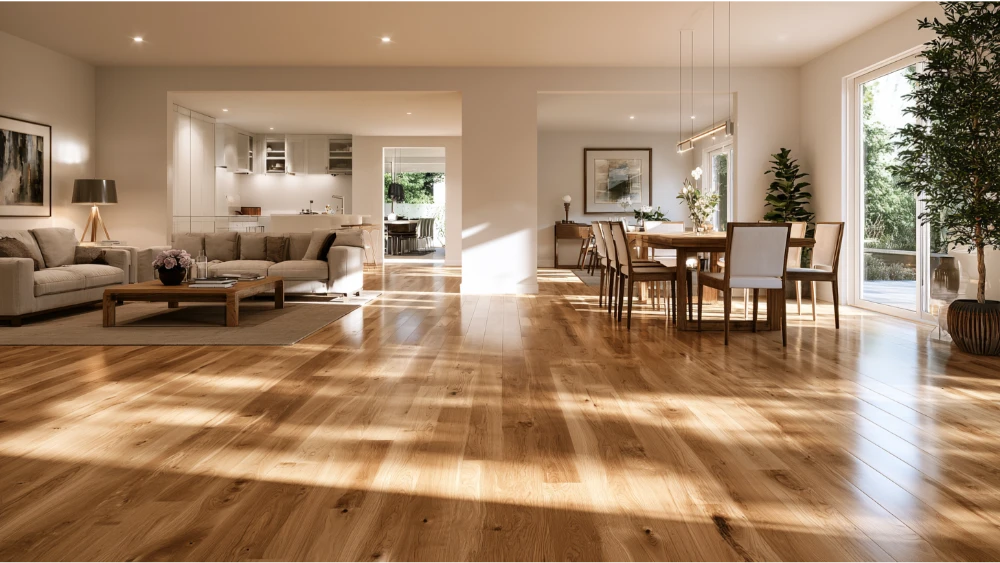
Homeowners love wood floors, and the numbers back it up. The 2025 Remodeling Impact Report gave new wood flooring a Joy Score of 9.1 out of 10. In that same report, 27% of homeowners named upgrading worn-out surfaces as a top remodeling reason, and their most-wanted results were functionality (28%), durability (23%), and beauty (23%).
An older 2022 report estimated cost recovery of 147% for refinishing and 118% for new wood flooring. Treat those as dated, survey-based resale context, not a promise; results vary by market, home condition, and workmanship. What holds up is the appeal of durable, well-kept hardwood floors.
What a Professional Should Inspect Before Recommending Either Option
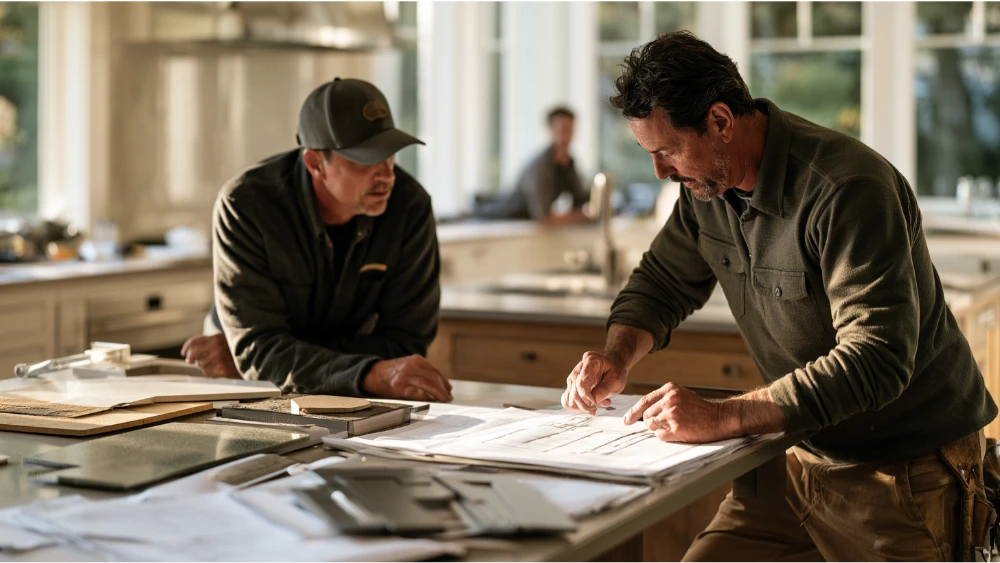
A good recommendation starts with a careful look, not a guess. Before we suggest refinishing or replacement, we check:
- Wood type: solid, engineered, or composite
- Wear layer thickness and how much sanding life remains
- Evidence of past sanding or over-sanding
- Moisture readings across the floors and subfloor
- Subfloor condition and stability
- Board movement, squeaks, or worn and loose planks
- Finish compatibility for recoats and resurfacing
- Transitions to adjacent flooring in other rooms
- Your household's needs during construction
This is the whole point. We won't push replacement when refinishing hardwood floors will do, and we won't refinish a floor that's too thin or moisture-compromised to hold up.
How Oleg & Sons Approaches Your Flooring Decision
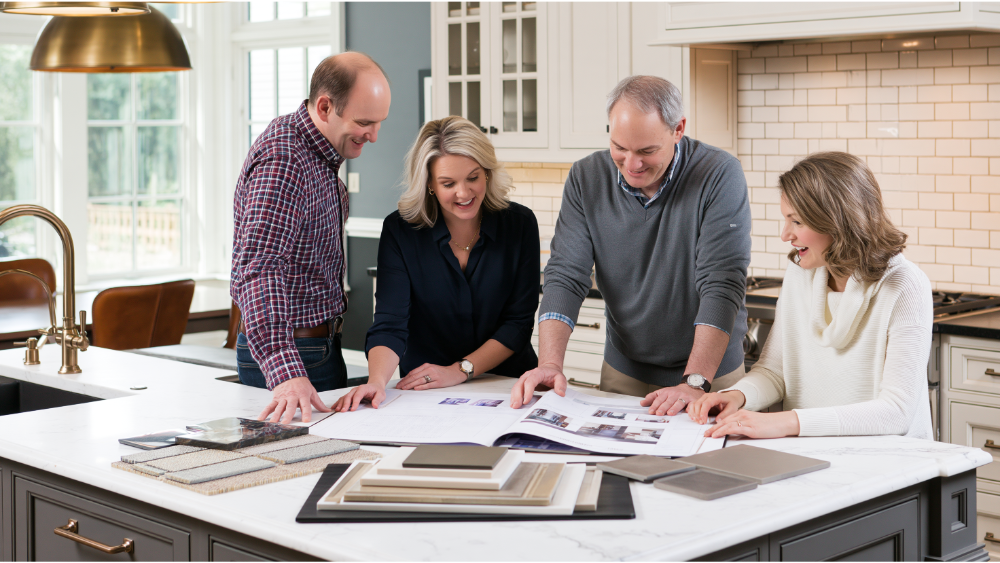
We're a family-owned, owner-led team with 12 years of experience, and our five-step process keeps the whole project clear. It starts with Consultation & Planning, where we inspect and listen. Then Custom Design & Material Selection, choosing quality materials and sustainable options whenever possible. Professional Construction follows, done by craftsmen who treat your home like their own, whether we're refinishing worn hardwood or handling a full installation. We finish with a Final Walkthrough & Approval, then Post-Project Support.
Throughout, we keep communication open so you're never in the dark, and our work is backed by a full-year warranty. Owner-led means the person who quotes your project stands behind it.


.svg)







.webp)

.webp)

.webp)