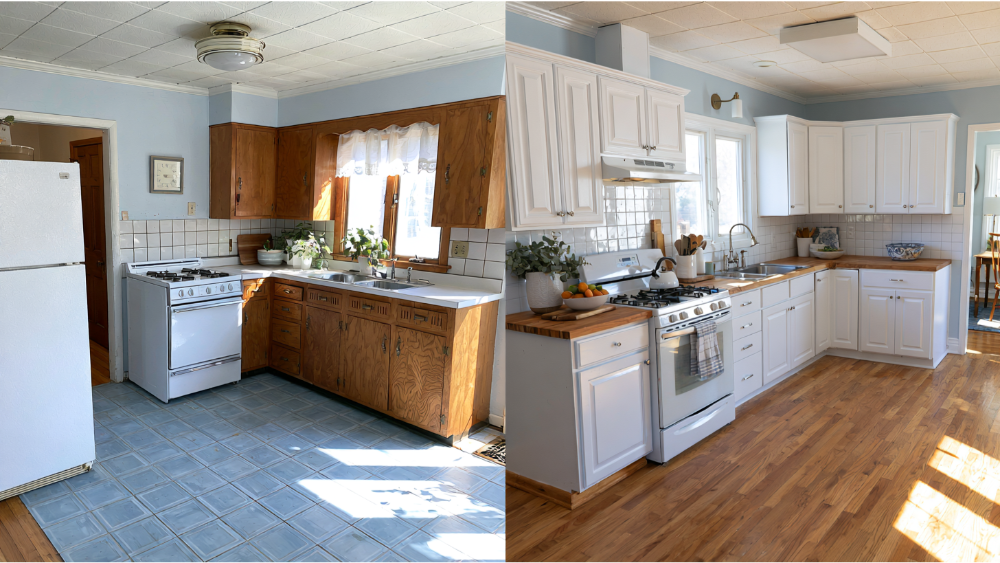


For interior wood floors, use a stain specifically labeled for flooring, and choose it in this order: wood species first, then color, working time, odor tolerance, and the protective finish going over it. Oak takes most stain colors readily and predictably. Maple, pine, and mixed repair boards can absorb unevenly and look blotchy. Approve a sample on your actual sanded floor before the whole room gets stained. There is no shortcut around that step. This is a decision you live with for years, so it deserves more thought than a color chart can offer.
Stain vs. Finish: What Each Layer Actually Does
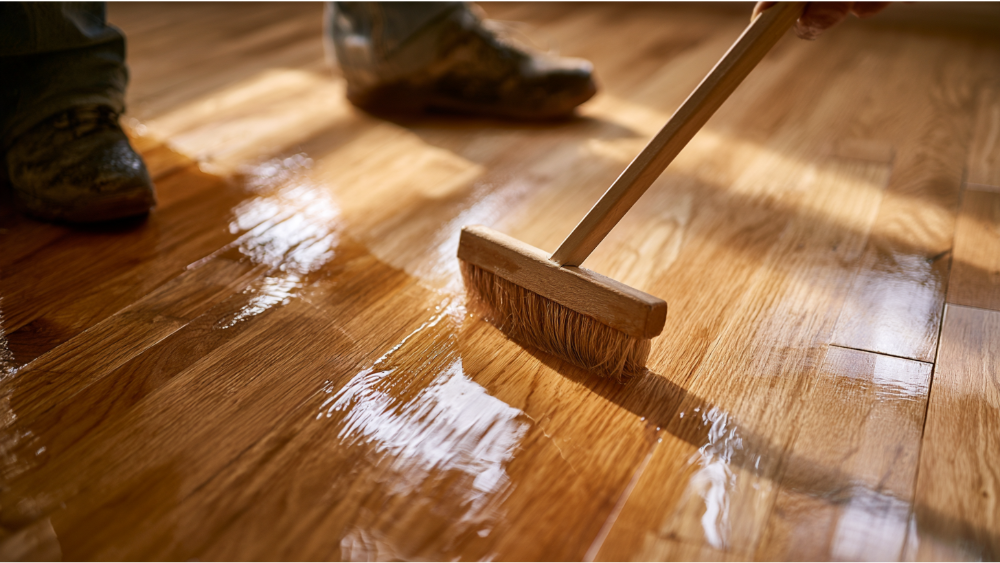
Stain supplies color. The sealer and topcoat supply protection, along with much of the final look, including sheen and how much amber warmth shows up. The National Wood Flooring Association is clear that every wood floor needs a finish to protect it against daily wear. Penetrating oil and hard-wax-oil systems harden inside the wood's pores instead of forming a surface film, which changes how the floor is repaired later.
What Types of Stains for Wood Floors Are There?
Four broad types show up on real floors:
Plenty of cans advertise a quick drying formula or advanced technology, but those claims usually describe furniture, trim, or deck products. A quick drying formula helps in a small closet and works against you across a long open floor, where you want time to blend edges before they set. Gel stain is a good example: retailer guides contradict each other on whether it belongs on hardwood floors, so use it only if the current label approves flooring use.
How Does Wood Species Affect Your Stain Results?

Species sets your realistic range of stain colors before your preference does.
- Red oak, white oak, ash, walnut: open-pored, so they absorb evenly and predictably across light and dark colors.
- Maple, birch, beech: tight cellular structure. The Maple Flooring Manufacturers Association warns stain may absorb minimally or unevenly and look mottled, and suggests asking to view completed stained-maple projects.
- Pine and other softwoods: earlywood drinks stain quickly and latewood resists it, which is why pine shows streaks without a pre-stain conditioner.
- Poplar and whitewood: poplar handles darker colors more evenly and can show green undertones; whitewood's yellow undertone gets amplified by pale colors.
- Mixed species and replacement boards: patches from repairs rarely match the appearance of the field without adjustment.
The USDA Forest Products Laboratory documents this open-grained versus close-grained behavior. Wood conditioner, which should be stained over within about two hours of being applied, and water popping both influence absorption, but neither guarantees uniformity.
How Do You Choose Stain Colors: Golden Oak, Provincial, Weathered Oak, or Dark Walnut?
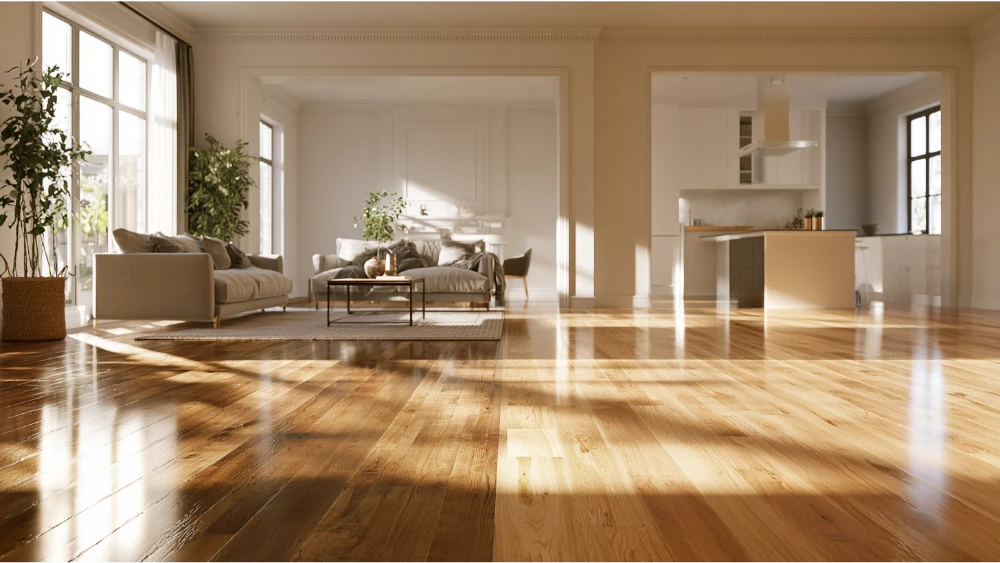
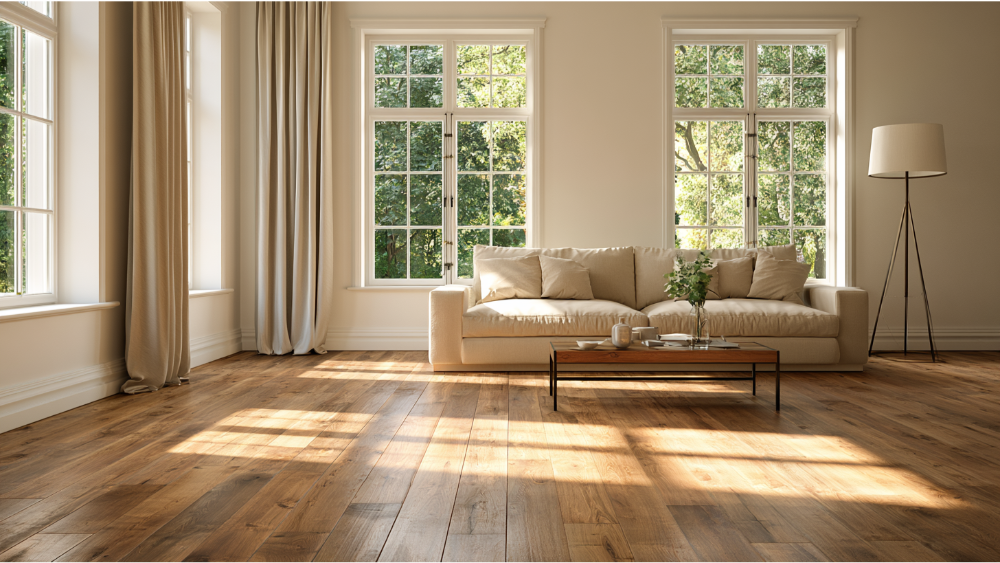
Natural and light colors like golden oak, which leans warm and yellow, or the cooler weathered oak grays keep a room feeling open and hide dust and pet hair reasonably well. Mid-tone warm browns in the provincial family are the most forgiving middle ground. Dark brown to near-black colors, dark walnut and deeper, look gorgeous, make a tight room read smaller, and show dust and fine scratches far more readily. Lower sheen hides normal wear better than high gloss, whatever color you pick.
There is no perfect stain color, only the right one for your floors, your light, and your trim. Match undertones to your cabinets, stairs, and doors before you commit, and remember that oil-based finishes add amber warmth while water-based finishes read clearer over the same colors. Your home reflects your style, so this is a tailored decision, not a catalog pick.
Can You Stain the Wood Floors You Already Have?

- Solid hardwood: sanding to bare wood is the only way to remove the old color, per NWFA.
- Engineered flooring: not a quick yes or no. It depends on wear-layer thickness, flatness, condition, and skill. Sanding through the veneer permanently damages the floor, so it gets assessed before any machine touches it.
- Factory-finished or previously refinished floors: the number of past sandings matters, so measure what thickness is left first.
- Recoat vs. full refinish: a maintenance coat helps you maintain the existing finish but won't change stain colors.
No-sand color renewal options exist, but they aren't equivalent to penetrating stain on prepared bare wood, and suitability varies depending on the existing coating and how much change you expect.
Why You Should Always Test Stain on Your Own Floor First
Charts, phone photos, and sample boards only narrow the field of colors. Final approval belongs on a prepared area of your actual floor, a closet or under the sofa, with the intended sealer and topcoat at the sheen you plan to use. View it in daylight and under lamps at night. NWFA requires testing for both color and compatibility, and we have you sign off on that approval before full application.
How Long Does Floor Stain Take to Dry, and When Can You Walk on It?

Dry-to-topcoat, light foot traffic, furniture back, rugs back, and full cure are separate dates. Drying shifts with formula, pigment load, how thickly it was applied, ventilation, species, temperature, and humidity. NWFA warns cold or damp conditions and heavy pigment extend drying, and stain must be fully dry before finishing. One current professional oil-modified floor stain lists roughly two hours for most colors, six hours for white, and 12 to 18 hours for some dark colors. In a cool, damp week, a product that lists two hours can still feel tacky half a day later.
On safety, ventilate with fresh air and follow the label and SDS. EPA notes indoor organic chemical levels can run several times higher than outdoors during and for hours after solvent-heavy work. Cleanup deserves its own comment: never pile oil-soaked rags, which can self-heat and ignite. NFPA advises sealed metal containment and proper disposal. In pre-1978 homes, paid work disturbing lead-based paint falls under EPA's Renovation, Repair and Painting Rule.
Notes for Bellevue and King County Homeowners
Before work begins, verify any contractor's active registration, bond, and insurance through the Washington State Department of Labor & Industries contractor verification tool. From our Bellevue shop, we plan ventilation and household access around our damp, cool stretches, because two things move drying schedules more than anything: temperature and humidity. Leftover stain, varnish, and solvents belong in King County's paint recycling or household hazardous waste channels, not the trash. The Factoria facility is here in Bellevue, though hours and limits change, so check current rules.

.svg)














.webp)


.webp)

.webp)