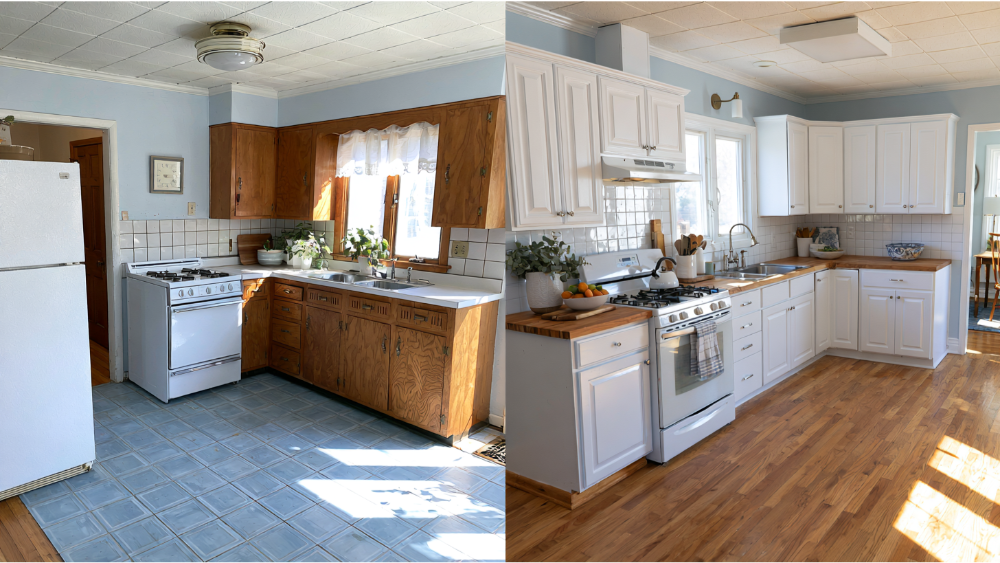


A home remodeler plans and manages improvements to an existing home. That usually means coordinating design, material selection, permits, skilled trades, construction, and the final walkthrough, so one company stays accountable for the entire project instead of six separate people pointing at each other.
Remodeling is a significant investment, financially and emotionally. Most homeowners we meet have already heard a story about surprise costs or a crew that went quiet for two weeks. This guide explains what a remodeler actually handles, how to tell good ones apart, what to verify before you sign anything, and how to compare estimates so the final price matches the quote.
What is a home remodeler?

Define the role by responsibility, not by the title on the business card. The U.S. Census Bureau classifies these businesses as residential remodelers under NAICS 236118, a category covering additions, alterations, reconstruction, and repair of existing homes, including design-build firms and remodeling construction-management firms.
Two terms carry the rest of this article. Remodeling changes how a space works and how it's laid out; renovation updates what's already there. And scope is the documented list of exactly what will and won't be done. Scope is the single document that controls price certainty later.
What remodeling services does a home remodeler actually provide?
The work spans far more than swinging hammers. A full-service remodeler typically handles:
- Consultation and scope development
- Design coordination and layout planning
- Material and product selection
- Permit planning and code compliance
- Scheduling and supervising skilled trades
- Construction supervision and quality control
- Home protection, dust control equipment, and daily cleanup
- Final walkthrough and punch list
- Warranty and post-project support
The mix varies by company. Some build only from plans you supply. Some are design-build and carry your vision from first sketch through final inspection. Ask which model you're buying before you compare anyone's number.
Home remodeler vs. general contractor vs. other local professionals

Most remodelers are general contractors who specialize in existing homes. Not every general contractor focuses on remodeling, and that distinction matters more than it sounds, because working inside a finished, occupied house is a different discipline than building on an empty lot.
These titles aren't standardized nationally. Judge a company by its documented scope and relevant completed work, not by the label on the truck.
When do you need home remodeling contractors?
Hire a remodeler rather than a single trade when the project involves several trades at once or when design and construction have to stay in sync. A specialty contractor can be excellent at installing one product, but a job that touches multiple systems needs one team holding the schedule together.
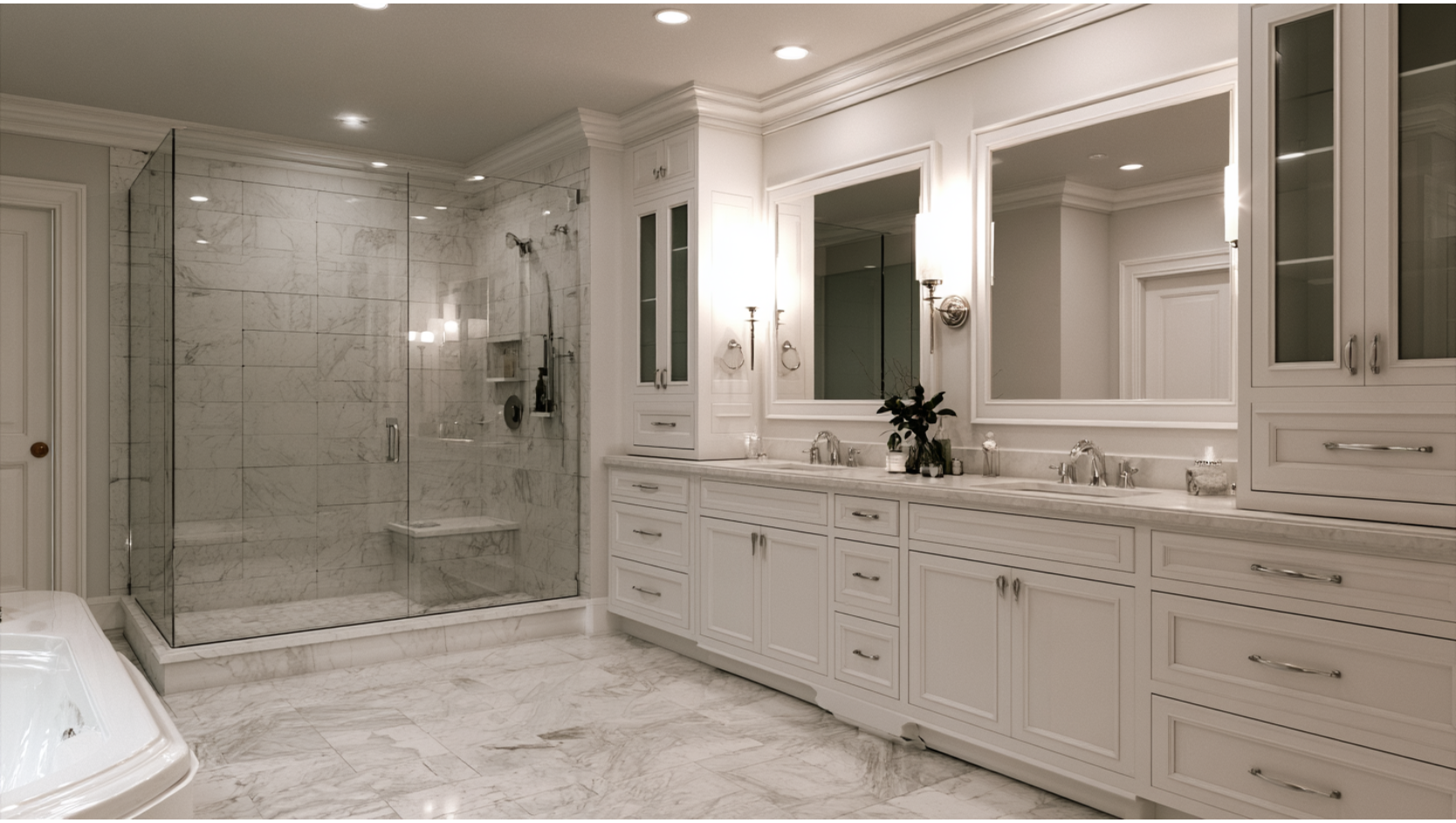
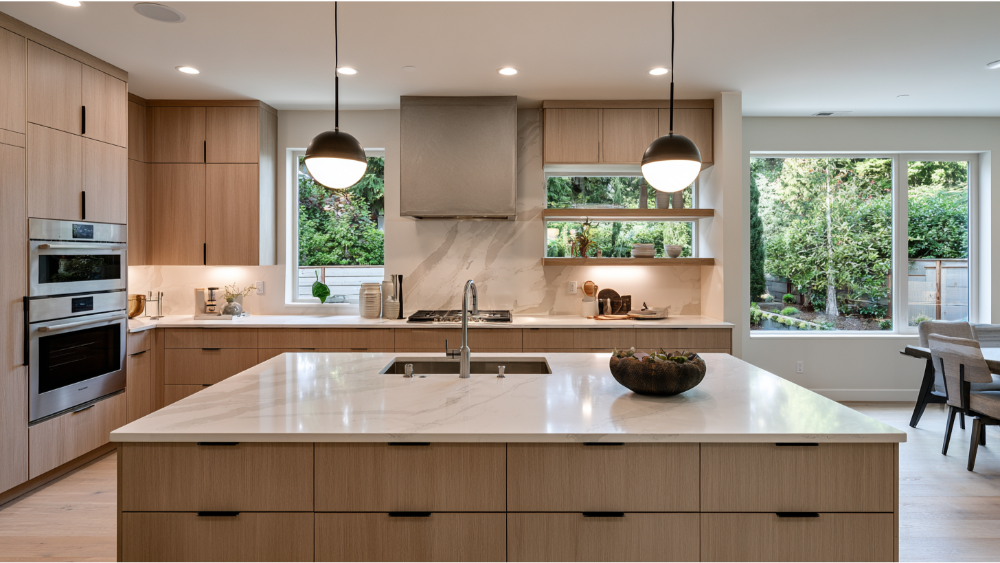
Kitchen remodel and bathroom remodel projects
A full-service team also handles the supporting work that tends to surface mid-project: flooring, millwork, painting, drywall, insulation, and work on your home's exterior like roofing, fencing, metal railing, and exterior painting.
Start by defining your vision before you request estimates
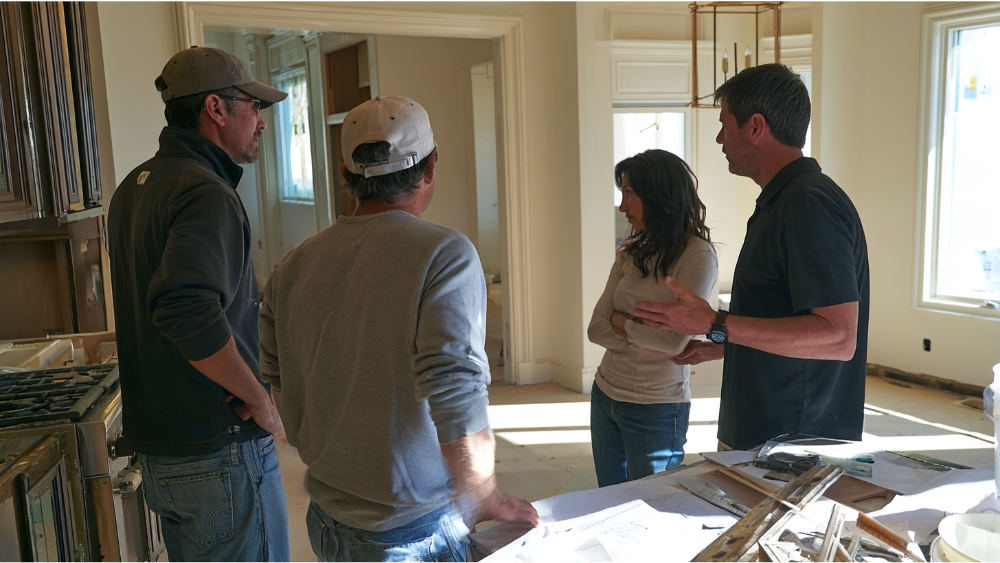
The clearer your brief, the more comparable your estimates. Collect ideas and photos of what you like. Before you call anyone, write down what isn't working in the space now, how you need it to function, your must-haves versus nice-to-haves, anything that has to stay, and which aspects of the project you want to weigh in on day to day. Your home should support your daily life rather than fight it, and a clear brief helps every company create an estimate you can actually compare.
How to find home remodeling contractors worth interviewing
Start with referrals from people in your community who completed projects similar to yours. Then research each company's documented work, ask for references from comparable jobs, confirm your location falls inside their stated service area, and check business history and standing with consumer-protection organizations. Read customer feedback for patterns rather than star counts, since one excellent experience doesn't tell you how the company performs across many customers.
Pay attention to the first conversation. How quickly did they respond? Did they ask how you actually live in the space, or did they go straight to pitching a package? Crews that enjoy working inside occupied homes tend to ask the better questions early, and a company that listens before it sells tends to keep listening once the drywall comes down.
How do you judge craftsmanship and past work from remodeling companies?

Looking at photos isn't enough. Look for the right things in them:
An amazing finish photo can still hide rushed work underneath, which is why in-progress images matter. Ask references one more question most people skip: how has the work held up a year or more later? That track record says more than any single image. Our gallery page includes before-and-after work and a featured full house renovation, and our work has been referenced in a Redfin article on Jack and Jill bathrooms.
Verify credentials, insurance, and safety practices
Licensing, registration, and bonding rules are not uniform across the country. Verify what applies where you live rather than assuming a national standard.
What to ask about licensing and insurance
Permits, codes, and older homes
Most structural work and footprint changes require permits, but the trigger is local, so confirm the rules for your location. Get it in writing who identifies, obtains, pays for, and closes out permits and inspections. If you're renovating a home built before 1978, the EPA's Renovation, Repair and Painting Rule generally applies to paid work that disturbs painted surfaces. Covered firms must be certified, and firm certifications are valid for five years. The minor-repair exemption generally covers up to 6 square feet of painted surface per room indoors or 20 square feet outdoors, though window replacement and demolition of painted surfaces stay covered regardless.
How to compare remodeling estimates without inviting surprise costs

A written estimate should identify the work, the materials, a realistic time frame with an expected completion date, and the price, per FTC guidance. Current consumer guidance recommends interviewing at least three contractors. That's the easy part. The harder part, and the step most guides skip, is making the estimates genuinely comparable. Standardize all of this before you line them up:
A far-lower number usually means a smaller scope or lower-grade materials, not a better deal. Finish level drives price more than square footage does. We believe quality materials are non-negotiable, because cheap materials undermine even excellent craftsmanship.
What should a home remodeling contract include?
Get it in writing even if local law doesn't require it. A complete agreement covers the parties and contact information, applicable license information, detailed scope, specified products and materials, start and projected completion dates, a milestone payment schedule, permit responsibility, insurance, cleanup and home protection, communication expectations, the change-order procedure, the final walkthrough, and the warranty. Fill in every blank before signing.
Don't pay the full amount upfront, and hold final payment until the work is complete and you're satisfied. The FTC's Cooling-Off Rule provides three business days to cancel certain covered sales signed at your home or another off-premises location. It does not apply to every remodeling contract, so confirm what applies to yours.
What open communication looks like once work begins
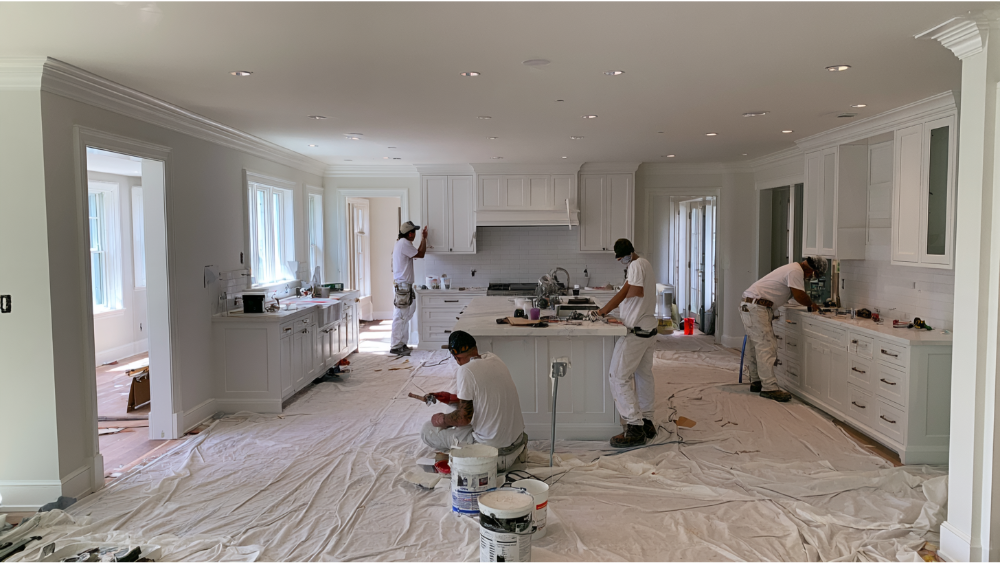
"Good communicator" means nothing until you define it. In practice it looks like a named point of contact, a set rhythm such as weekly updates, decisions documented in writing, advance notice of schedule changes, written approval before any change to scope or materials, a clear way to raise concerns, and someone who still answers the phone after the crew leaves. Communication shapes the entire experience more than any single finish does. You should never feel like you're in the dark about your own home.
The remodeling process from start to finish
A well-run project follows a predictable arc. Here's how our team works it:
Red flags when hiring a home improvement contractor

What happens at the final walkthrough, and after?
You and the remodeler inspect every item in the documented scope together, test fixtures and installed products, and confirm each item was completed professionally before final payment. Record any punch-list items with a date for completion. You should also receive care and maintenance information, confirm warranty terms in writing, and know exactly who to call afterward. A one-year workmanship warranty is a common baseline expectation. We give clients a full-year warranty on all remodeling services along with post-project support, and we won't consider the job done until you're completely satisfied.
Frequently Asked Questions
What is a house remodeler called?
Most commonly a home remodeler, remodeling contractor, or residential remodeler. A company that handles both design and construction is called a design-build remodeler. The Census Bureau classifies all of them as residential remodelers under NAICS 236118.
How much does a home remodeler charge per hour?
Most remodeling work is quoted by project scope rather than by the hour, because price depends on scope, material quality, and finish level. Hourly billing is more typical of small repairs. Request written estimates built on the same scope instead of comparing hourly rates.
What is the 30% rule in remodeling?
It's an informal guideline homeowners cite two ways: keeping a single project within roughly 30% of the home's value, or setting aside a contingency of up to about 30% for unknowns in older homes. It's a rule of thumb, not a standard. A detailed scope protects your budget far better than any percentage.
How do I find a home remodeler?
To find home remodeling contractors worth your time, ask for referrals from people who completed similar projects, review each company's documented work, interview at least three, verify license and insurance for your jurisdiction, check references and customer feedback, then compare written estimates built on identical scope.
Let's start planning together
The fear of unknowns is reasonable, and the answer is planning, documentation, and open communication from beginning to end. A great experience comes from clarity, not luck. We're a family-owned, owner-led remodeling company with 12 years of experience, a full-year warranty on all remodeling services, and a free consultation with no pressure attached. Take the first step towards transforming your home and get in touch when you're ready to talk through your vision.


.svg)














.webp)


.webp)