
.webp)
A full bathroom remodel in the Seattle area typically runs somewhere between $20,000 and $40,000 in 2026, with the wider market falling anywhere from roughly $8,500 for a modest refresh to $65,000 and up for a custom primary suite. Seattle pricing tends to sit about 15 to 25 percent above national averages, mostly because of higher local labor and permitting costs. Those figures are third-party market benchmarks meant for planning, not Oleg & Sons pricing. The only number that actually applies to your home comes from a custom quote built around your layout, your material choices, and what your walls are hiding.
If you're reading this, you're probably setting a budget or double-checking a quote you already received, and part of you is bracing for the surprise costs everyone warns you about. That worry is fair. We're a family-owned remodeler based in Bellevue, serving homeowners across the greater Seattle area, and this how much does a bathroom remodel cost in seattle 2026 guide walks you through what actually drives the price so you can plan with clear eyes. We'll cover project scope, materials, features like walk in showers and heated floors, permits, and the older-home surprises that catch so many people off guard.
Why "Average Cost" Is a Misleading Number for a Bathroom Remodel

Here's the problem with any single Seattle bathroom remodel average: the phrase "bathroom remodel" covers everything from swapping a vanity and repainting to taking the room down to the studs and rebuilding it. When a report says the national mid range bathroom remodel averages around $26,138, that number blends cosmetic touch-ups with full gut jobs. It's a real figure, but it won't tell you much about your project.
What actually decides your remodel cost is scope. How much of the room are you changing? Are you keeping the existing plumbing where it is, or moving the shower to the opposite wall? What quality of tile, vanity, and plumbing fixtures are you choosing? And what condition is the home in behind the finishes? Those four things (scope, materials, layout changes, and hidden conditions) create the entire spread. A bathroom renovation that stays inside its footprint lands in a very different place than one that reconfigures the room. So instead of chasing one average bathroom remodel cost, it helps to think in complexity tiers, which is how we'll break down cost for the rest of this guide.
What Drives Bathroom Remodel Costs and Labor Costs Up in Seattle?
Seattle bathroom remodels run higher than national numbers for reasons that have little to do with any one contractor. Skilled labor here costs more. The U.S. Bureau of Labor Statistics reported that construction and extraction workers in the Seattle-Tacoma-Bellevue metro earned an average of $42.11 per hour in May 2025, compared with $31.42 nationwide. Labor costs alone typically make up 40 to 60 percent of a bathroom remodel's total cost, so that regional gap shows up directly in your estimate.
The main cost drivers in a Seattle bathroom:
- Labor rates: higher local wages for skilled trades, plus tile, plumbing, and electrical specialists.
- Material costs: usually 30 to 40 percent of the total, and your finish choices swing this widely.
- Permitting: Seattle permit work adds cost and time, and 2026 fees climbed.
- Older housing stock: many Seattle homes hide dated plumbing, wiring, or water damage.
- Logistics: tight parking, protected access, and material staging in dense neighborhoods.
None of these are reasons to avoid remodeling. They're just the honest math behind why a Seattle bathroom quote looks different from a number you found on a national site. When you compare quotes, it helps to know that a good share of your bathroom remodel cost is simply the price of skilled hands in this region, and that local building codes shape both what gets built and what gets inspected.
Bathroom Remodel Cost by Scope in Seattle
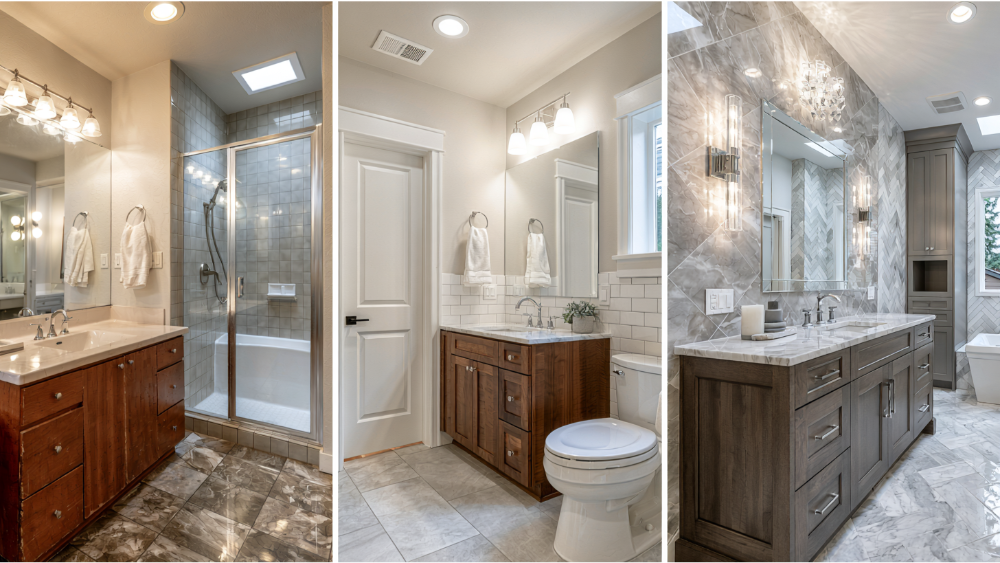
The most useful way to picture your budget is by complexity, not by one average. A cosmetic refresh, a mid range bathroom renovation, a gut-and-reconfigure job, and a custom primary suite live in completely different price worlds. Below we walk through each tier with third-party market benchmarks for context. Read them as planning ranges, not as our pricing. Your actual bathroom remodel cost depends on your room and your choices.
Cosmetic Refresh (Lower-Complexity)
A cosmetic refresh keeps the layout exactly where it is. You're painting, updating fixtures and lighting, adding a new mirror, maybe refinishing the tub and swapping hardware. Because nothing structural or plumbing-related moves, this is the most budget-friendly path to a better-looking bathroom. Refinishing an existing tub, for instance, tends to run roughly $450 to $800 as a market benchmark, far less than a full replacement. Keeping the existing layout instead of relocating plumbing fixtures can save money somewhere around $2,000 to $6,500. If your bones are solid and you mainly dislike the surfaces, a refresh often delivers the most visible change for the least money.
Partial and Mid Range Bathroom Remodel (Moderate-Complexity)
This tier is where most bathroom remodels land. You're replacing floor tile, installing a new vanity, swapping the tub shower combo or shower, and updating fixtures, all within the existing footprint. It's a true remodel rather than a refresh, but you're not moving walls or plumbing lines. National mid-range bath remodels average around $26,138 per Cost vs. Value data. For Seattle specifically, the most recent official JLC Cost vs. Value figure we found lists a mid range full remodel at $36,146, though that number is from the 2025 report, not 2026, so we're being straight with you about the date. A full bathroom remodel in this range commonly falls between $20,000 and $40,000 in the Seattle market. Where you land inside that depends heavily on your tile and vanity selections, and on whether you keep the plumbing where it sits or move it. A hall bathroom remodel or a small guest bathroom often sits at the lower end of this mid range remodel band because the footprint is compact.
Full Gut Remodel and Layout Changes (Higher-Complexity)
A gut remodel takes the room down to the studs. That opens the door to reconfiguring the space through layout changes: moving the shower, relocating the toilet, adding a window, or reframing walls. Plumbing relocation is one of the single biggest cost multipliers in any bathroom project, because it means opening floors and walls, rerunning supply and drain lines, moving the shower drain, and passing additional inspections. This is also why keeping the existing layout can save roughly $2,000 to $6,500 compared with moving everything. A gut remodel also gives you the cleanest chance to correct old waterproofing, address subfloor repair, and update wiring while the walls are open. Sometimes the reconfiguration is worth every dollar because it fixes a room that never worked. But go in knowing that "same footprint" and "new footprint" are two very different budgets, and that layout changes are usually the line item that separates them.
Primary Suite and Upscale Bathroom Remodel
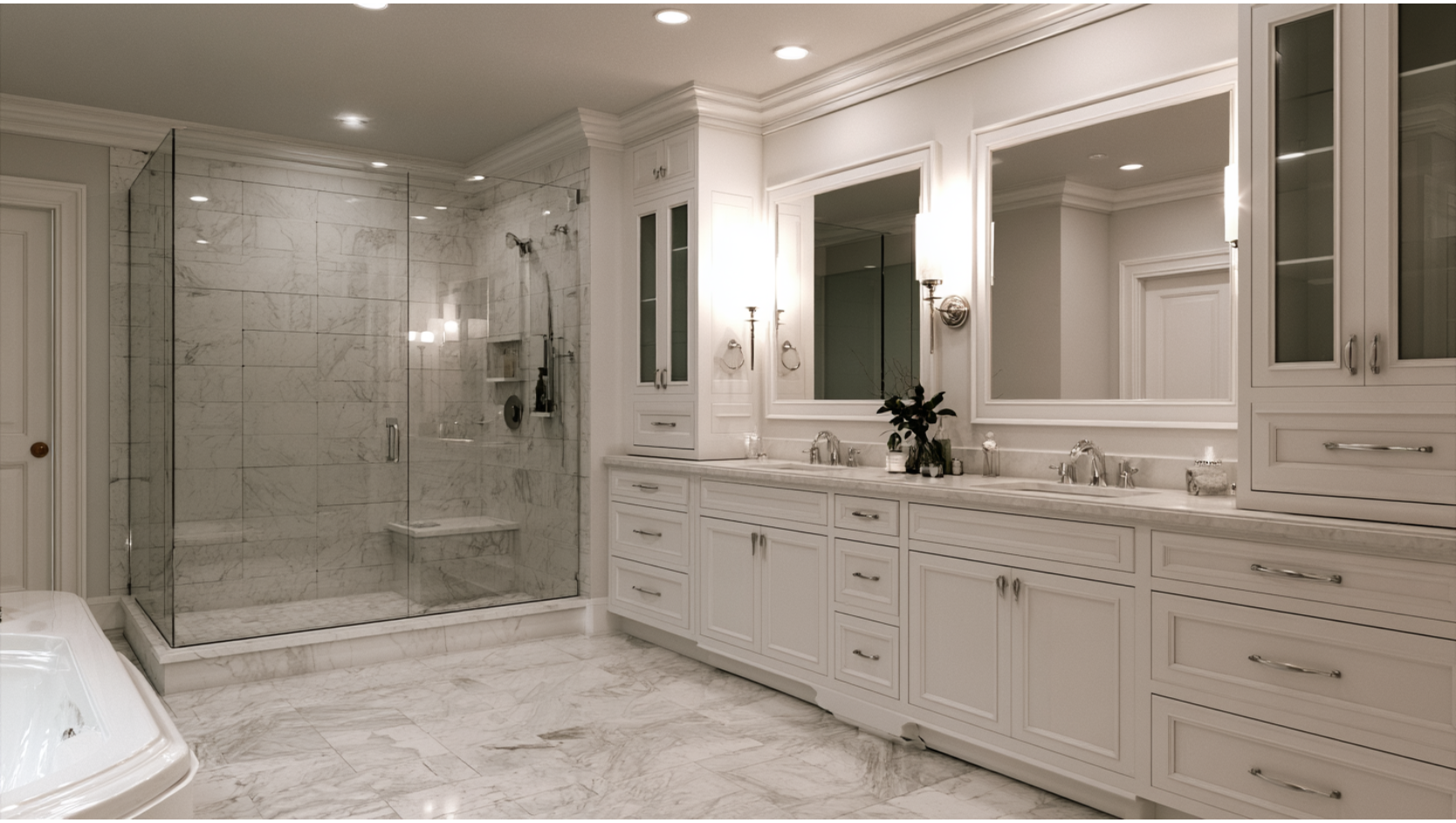
Primary suite and master bathroom remodels sit at the top of the range. You're working with a larger footprint, premium materials, and custom features like dual sinks, a freestanding soaking tub, and a large tiled shower. A primary suite gut remodel in Seattle commonly runs $55,000 to $75,000 and up as a market benchmark. The JLC 2025 Seattle data lists an upscale bathroom remodel with universal design at $58,151, which gives you a sense of the ceiling once premium materials and accessibility features enter the picture. At this level, material selection and custom millwork drive most of the variation, which is exactly why choosing finishes early matters so much. The larger bathroom size also means more custom tile installation, more square footage of flooring and shower walls, and more plumbing fixtures, all of which add up. Stone countertops and natural stone tile can push the total higher still.
Half Bath and Powder Room Remodels
A half bath or powder room has the smallest footprint, so the total bathroom remodel cost is lower than a full bathroom. But don't assume it's cheap. Powder rooms are often the bathroom guests actually see, so homeowners tend to treat them as showpieces with bold tile, a statement vanity, and interesting lighting. On a per-square-foot basis, the cost can stay surprisingly high because the detail and finish level go up even as the square footage goes down. A small room still needs the same trades on site, so the fixed labor costs don't shrink as much as you might expect. Even a modest square foot count can carry rich tile work.
What Features Add the Most to a Bathroom Remodel Cost?
Beyond scope, specific features move the needle more than others. If you're trying to understand why one quote is higher than another, look at these:
- Walk in showers: a custom walk in shower cost commonly runs $5,500 to $22,000 in the greater Seattle market, depending on bathroom size, tile, and glass. Walk in showers are one of the most-requested upgrades we see, and the range reflects everything from a simple tiled stall to a large curbless design with a bench and niche.
- Frameless glass enclosure: beautiful and durable, but a custom-cut, tempered frameless glass shower costs meaningfully more than standard framed glass shower doors. It's a popular pairing with walk in showers because it keeps the room feeling open.
- Freestanding tub: the tub itself plus the specialized plumbing and floor support add up.
- Heated tile floors: a comfort upgrade many Seattle homeowners love, especially through the damp winters, with added electrical and material cost. Radiant heated floors are usually priced by the square foot of coverage, so a larger room raises the total.
- Detailed tile installation labor: intricate patterns, mosaics, and full-height walls are labor-intensive, and labor is the expensive part here. More square footage of tile also means more setting time.
- Custom cabinetry: custom vanities cost well above stock, which often run $500 to $1,200 installed as a benchmark.
- Premium fixtures: designer faucets, showerheads, and hardware can quietly become a large line item, and energy efficient fixtures can trim water and power use over time.
Material trade-offs are where a good remodeler earns their keep. Choosing porcelain tile that reads like marble instead of natural marble can save money, roughly $3,000 to $5,000, while holding up better in a wet area. We'll always walk you through choices like that so your money goes where it matters most to you.
What's Included in a Bathroom Remodel Estimate?
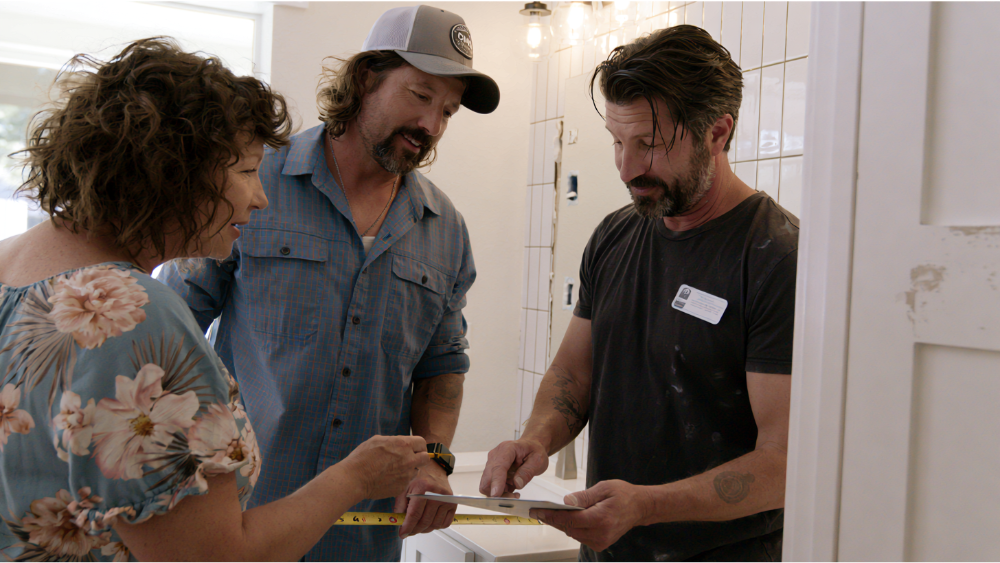
A complete estimate should account for the whole job, not just the pretty parts. When one quote looks lower than another, it's often because something below was left out. Here's what a thorough bathroom remodel estimate should cover so you can compare honestly:
- Design and material selection
- Demolition and debris disposal
- Framing and structural repair
- Plumbing (and any plumbing relocation)
- Electrical work and electrical upgrades
- Ventilation and exhaust
- Proper waterproofing in wet areas
- Tile installation
- Vanity and cabinetry
- Plumbing fixtures and lighting
- Painting
- Permits
- Project management and coordination
- Final walkthrough
Remember the cost split: material costs are usually 30 to 40 percent and labor costs 40 to 60 percent of the total. Proper waterproofing deserves special attention because it's invisible when done right and disastrous when skipped. We treat it as non-negotiable, and a clear estimate should show you it was priced in rather than assumed. Tile installation is another spot where estimates diverge, since the price depends on the pattern, the square footage, and how much prep the substrate needs before a single tile goes down.
Do You Need a Permit for a Bathroom Remodel in Seattle?
It depends on scope. A pure cosmetic refresh (paint, fixtures, a new mirror) generally doesn't require a permit. But once you change plumbing, electrical, or the structure, permits come into play, and most full bathroom remodels end up needing at least two: a building or construction permit plus a plumbing permit. As a planning benchmark, permit costs often land somewhere around $800 to $2,000, and the review process can take four to eight weeks depending on the project. Budget roughly 10 percent of your total for permits and contingencies combined.
Two important 2026 notes: Seattle's construction and master use permit fees rose 18 percent year over year in the 2026 budget, and building without a required permit can bring fines of up to $500 per day. Always confirm current requirements with the city at the time you apply, since rules and fees change. Any bathroom renovation that involves plumbing relocation or new circuits almost certainly falls on the permit-required side of that line.
Building, Plumbing, and Electrical Permits
Here's how the main permits break down in Seattle:
- Construction/alteration permit (SDCI): required to remodel or alter the structure. New work must meet current codes, though existing portions you aren't touching generally don't need to be brought up to current code.
- Subject-to-Field-Inspection permit: a streamlined option for smaller, simpler projects, including remodeling a portion of a house. Qualifying projects pay 40 percent of the calculated plan review fee.
- Electrical permit: required any time wiring is installed, altered, or extended, such as adding circuits for radiant heated floors. Professionals need a Washington electrical contractor's license and a Seattle business license.
- Plumbing and gas permits: whenever you install, relocate, or change plumbing or gas piping. Public Health, Seattle & King County has jurisdiction in Seattle and unincorporated King County, while other cities use their own building departments.
Changes to bathroom ventilation or fans can also trigger mechanical permit attention. A good remodeler sorts all of this out for you rather than leaving you to guess, and folds the fees into the estimate so the permit line isn't a surprise later.
Older Seattle Homes: What Can Change the Budget After Demo
.webp)
Seattle has a lot of beautiful older homes, and beautiful older homes hide things. Once demolition opens up a bathroom, it's common to find water damage, rot behind the shower, dated plumbing near the end of its life, or electrical that no longer meets code. Prior unpermitted work is another frequent surprise, and it sometimes has to be corrected before new work can pass inspection. On a gut remodel, these discoveries surface early, which is actually the best time to address them, and a full complete renovation lets you fix them once rather than in pieces.
Two health-related rules matter here. Under the EPA's Renovation, Repair and Painting Rule, paid contractors working in homes built before 1978 must be certified in lead-safe practices when disturbing more than six square feet of interior painted surface or more than 20 square feet on the exterior. And before renovation or demolition, an asbestos survey is required to check for asbestos-containing materials, which show up in older flooring, wall materials, and adhesives. Seattle Public Utilities and the Puget Sound Clean Air Agency both enforce this, and skipping it can bring penalties.
This is why we recommend setting aside a contingency of 10 to 20 percent for older homes. Careful planning and inspection reduce surprises a great deal, but no one can see through a solid wall. Naming that reality upfront is part of protecting your budget instead of ambushing it. It also helps to expect that some of your remodel cost may shift from finishes toward repairs you didn't plan for, which is exactly what a contingency is meant to absorb.
How to Avoid Surprise Costs and Change Orders
The fear is real and it's earned: too many homeowners have heard "we found something" after demo and watched the price climb. Houzz reported that 37 percent of renovating homeowners exceeded their budgets in 2025. So this section matters more than any cost table.
Most surprise costs come from vague scope and late decisions, not bad luck. Here's how a careful process keeps them contained:
- Start with a detailed consultation so the plan reflects your actual room and goals.
- Define the project scope in writing so everyone agrees on what's being done.
- Choose materials early so tile, vanity, and fixture prices are locked, not guessed.
- Clarify allowances so you know exactly what budget each selection assumes.
- Confirm permit needs upfront so timeline and fees are planned, not sprung.
- Ask what's excluded, because omissions are where quotes go sideways.
- Set a contingency of 10 to 20 percent for older homes.
- Expect regular updates so you're never left wondering what's happening.
This is where we differ. As an owner-led design build firm, we build the budget before demolition with clear, transparent pricing, and we keep communication open so you're never in the dark once work starts. Our clients regularly point to the fact that the final project cost matched the quote, with no change orders. Washington law also works in your favor: any contract over $1,000 requires the contractor to give you a signed disclosure statement, so expect real paperwork, not a handshake. Our five-step process (consultation and planning, custom design and material selection, professional construction, final walkthrough, and post-project support) exists to remove exactly these surprises.
How Long Does a Bathroom Remodel Take?

Timeline follows complexity, so we'd rather give you the phases than an overpromised number. A cosmetic refresh can wrap in a couple of weeks. A full bathroom remodel or gut remodel takes longer, especially when permit review is involved, since that alone can run four to eight weeks before construction begins. Layout changes and plumbing relocation add time too, because the rough-in and inspections that follow can't be rushed.
A typical bathroom remodel moves through these stages:
- Design and material selection
- Permit review, if the scope requires it
- Demolition
- Rough plumbing and electrical
- Inspections
- Waterproofing and tile installation
- Finish work: vanity, fixtures, paint, frameless glass shower
- Final walkthrough and approval
The single biggest schedule factor within your control is decision-making. When materials are chosen early and questions get answered quickly, the remodeling project stays on rhythm. Delays almost always trace back to selections that weren't made in time or discovery items in older homes.
Is a Bathroom Remodel Worth It in Seattle?
Financially and practically, usually yes. The JLC 2025 Seattle data shows a mid-range bath remodel recouping about 46.8 percent of its cost at resale, with an upscale universal-design remodel around 59.2 percent. Those numbers look modest until you remember that resale is only part of the return. A bathroom is used every single day.
The value most homeowners actually feel comes from daily function: a shower that works, storage that fits, and a room that stops frustrating them. A well-built bathroom renovation also protects the home by correcting old waterproofing and moisture problems that quietly cause damage. For those planning to stay, universal-design features and walk in showers support aging in place. For those selling, an updated bathroom builds buyer confidence and helps a home show well in Seattle's competitive housing market. Nationally, Houzz reported median bathroom remodel spend around $13,000 in 2024, with major remodels near $22,000, which tells you plenty of owners see the payoff as worth it. Compared with national averages, Seattle homeowners spend more on their renovation costs, but they also live in a market where a well-executed bathroom carries real weight with buyers. Because Seattle homes hold value, thoughtful upgrades tend to pay their own way.
How to Get an Accurate Bathroom Remodel Quote
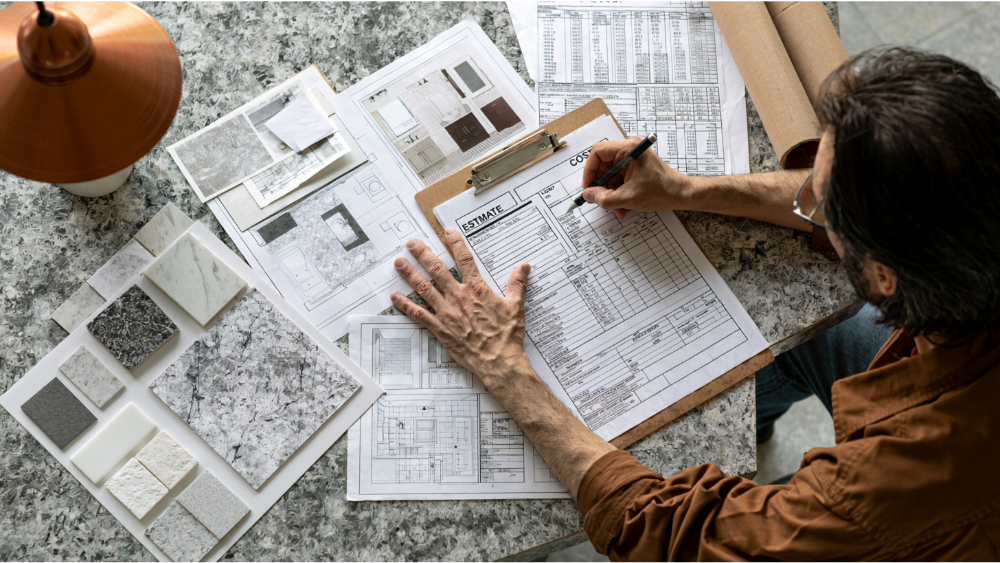
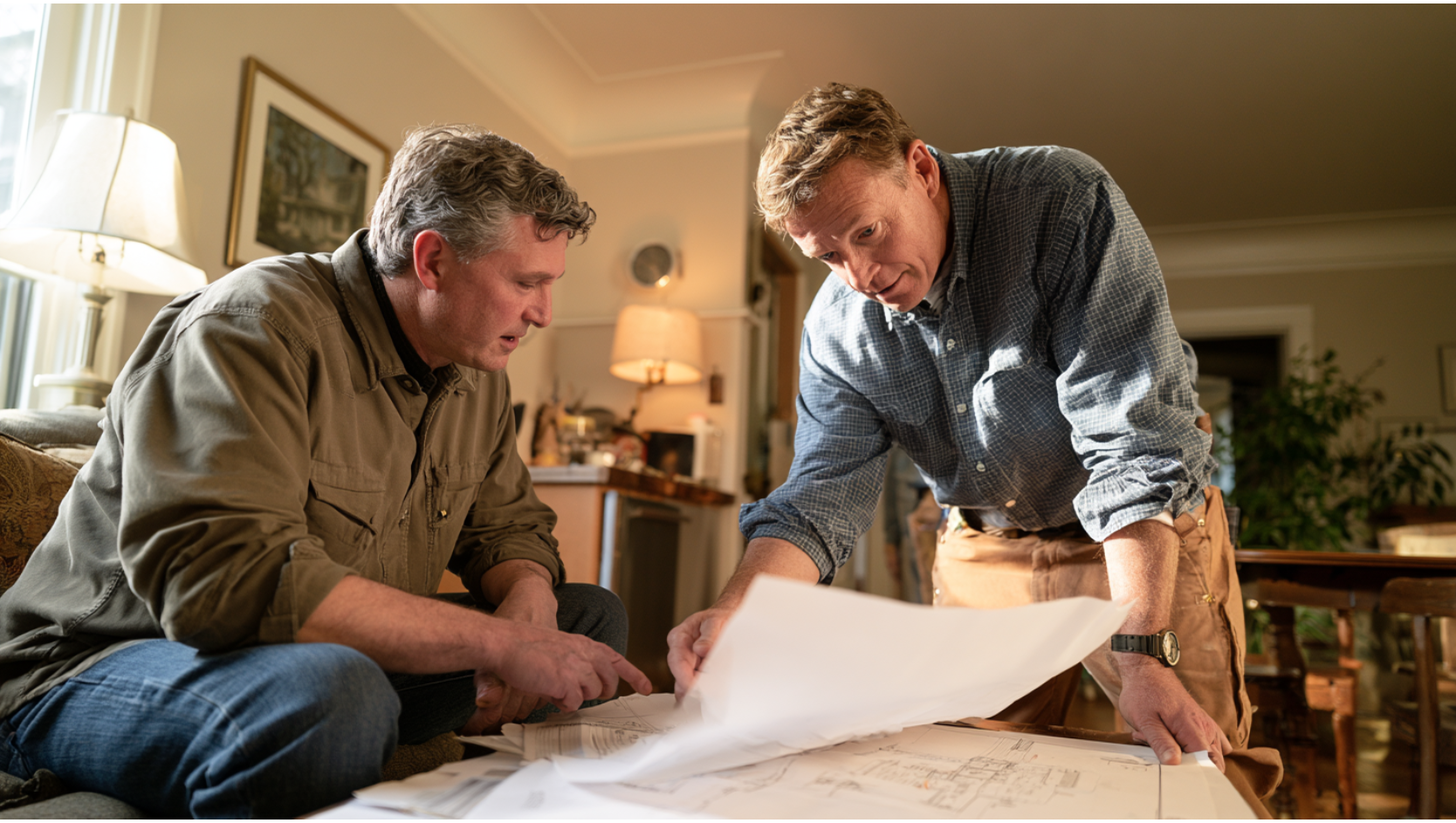
Photos and measurements are a helpful start, but the most accurate quote comes from a detailed consultation, ideally in your home. That's where the details that actually move the price come into focus: the real condition of the space, your bathroom size, your layout, your material selections, and what matters most to you. A quote built that way reflects your bathroom, not a market average. If you're weighing plumbing relocation or other layout changes, an in-home visit is where those decisions get priced honestly.
When you're comparing quotes, the goal isn't the lowest number. It's the clearest one, the estimate that shows you what's included, what's excluded, and what each allowance assumes. That's the quote you can trust to hold. We're glad to sit down with you and build one, and the consultation is free with no pressure to commit.
Why Work With Oleg & Sons
We're a family-owned remodeler based in Bellevue at 14205 SE 36th Street, Suite 100, serving homeowners across the greater Seattle area, including King and Snohomish counties. Kitchen and bathroom remodeling is our focus, with 12 years of experience behind the work. Every project starts with custom design and material selection, so what we build reflects your style rather than a template.
What our clients tell us matters most is the experience: clear, transparent pricing, open communication throughout, and craftsmen who treat your home as their own. Whether you're planning a modest refresh or a full gut remodel with walk in showers, a frameless glass enclosure, and heated tile floors, we'll help you put your money where it counts. You can see finished projects in our before-and-after gallery. We back our remodeling with the same owner-led attention from the first consultation to the final walkthrough. Reach out to schedule your free consultation and get a quote built around your bathroom, not a market average.


.svg)






.webp)
.webp)