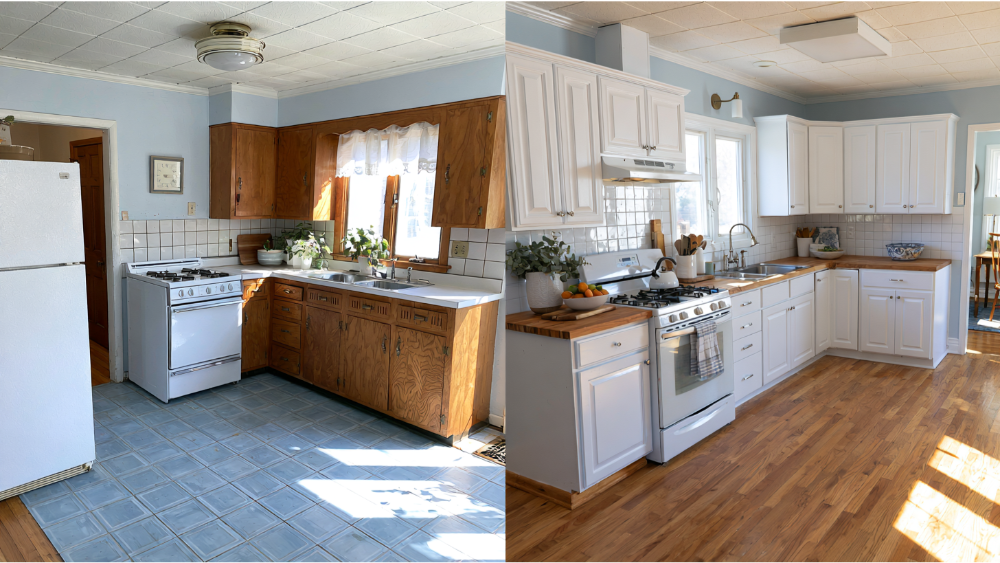
.avif)

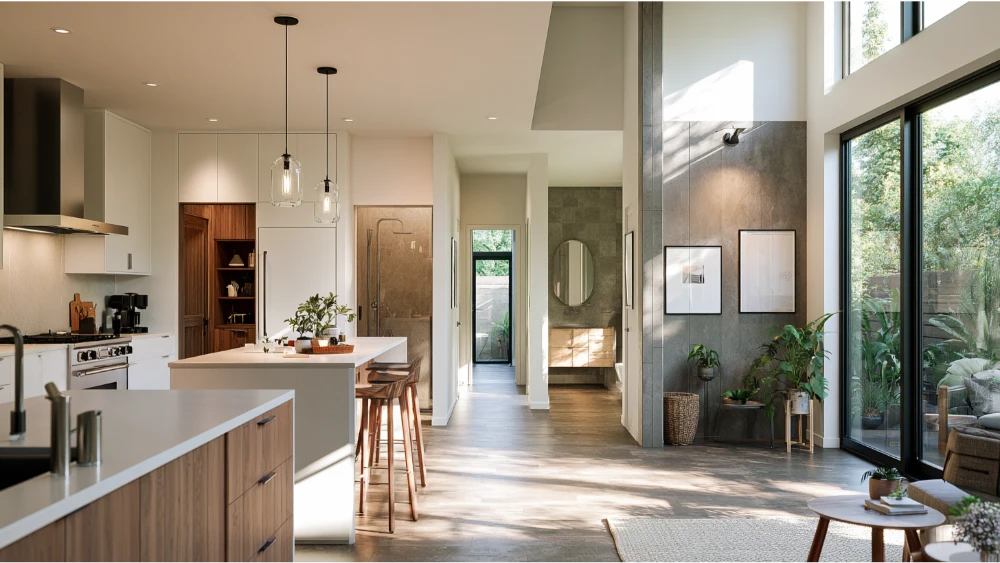
What "Interior Remodel Cost" Actually Includes
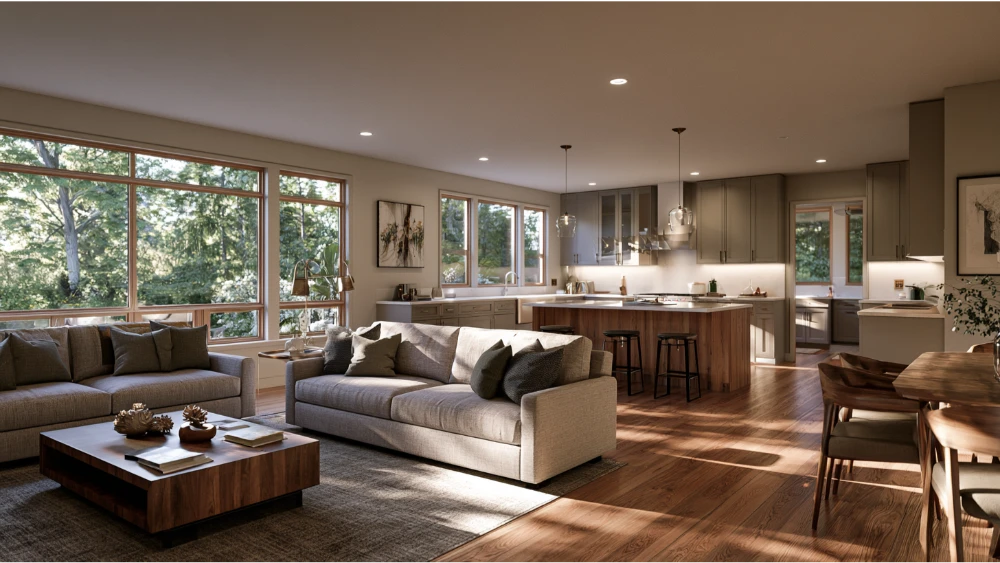
A remodel cost isn't a single per-square-foot figure. It's built from four things: labor, materials, permits, and the existing conditions in your home. Skilled trades command higher hourly rates, so labor costs move the number as much as anything else, and material quality is a close second. These are the key factors behind any overall cost.
It helps to separate two kinds of work. Surface-level updates cover finishes, paint, plumbing fixtures, and cabinet fronts. A full renovation goes deeper, touching structural elements, plumbing, and electrical. Those are very different projects with very different budgets, and the difference shows up quickly once you compare estimates.
Most home remodeling costs fall into three plain tiers: basic or cosmetic, midrange, and upscale. Cost per sq ft is a reasonable way to talk about whole home work, but it can mislead you on a kitchen or bathroom remodel, where a small footprint carries dense, expensive trade work. A 40 square foot bathroom can cost more per sq ft than a large open living space, simply because so much plumbing and waterproofing packs into it.
Why Are Seattle Home Remodeling Costs Higher Than the National Average?
Several real factors push Seattle costs above what generic national calculators suggest. Understanding them helps you read a quote fairly instead of assuming you're being overcharged, especially in Seattle's competitive housing market.
- Regional labor costs. Skilled trades are in high demand here. According to the U.S. Bureau of Labor Statistics, the Seattle-area construction and extraction mean hourly wage was $42.11 in May 2025, compared with $31.42 nationally. That gap shows up in every bid.
- Permitting. Seattle's permit process adds cost and time, and permit fees scale with the value and complexity of the work.
- Older housing stock. Many Seattle homes need code updates once walls open up, which can raise renovation costs mid-project.
- Pacific Northwest conditions. Our climate rewards careful waterproofing and good insulation, which matters for lasting results in kitchens and bathrooms.
We serve homeowners in Bellevue, across King County and Snohomish County, and nearby communities like Seattle, Sammamish, and Everett, from suburban streets to neighborhoods like Capitol Hill, where these same pressures apply to any home improvement project.
Interior Remodel Cost by Project Type
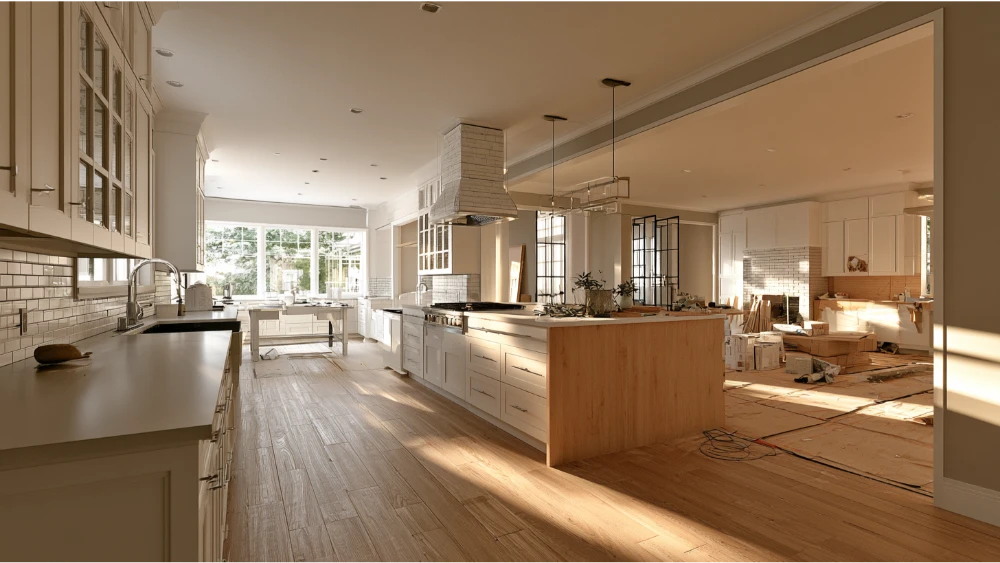
Because every home is different, we frame cost in relative terms rather than promising a number. Here's how the common projects compare, from smaller projects to a whole home remodel.
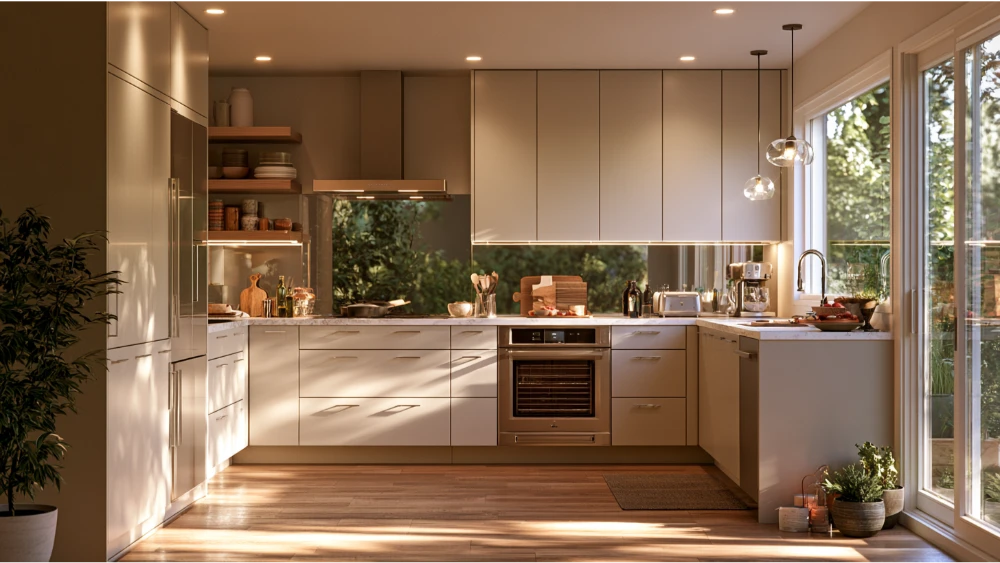
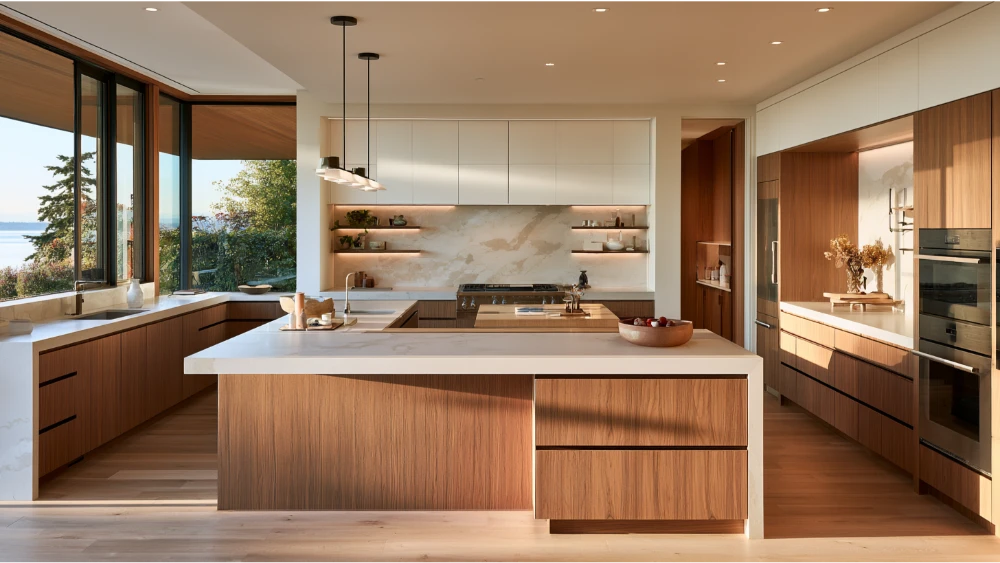
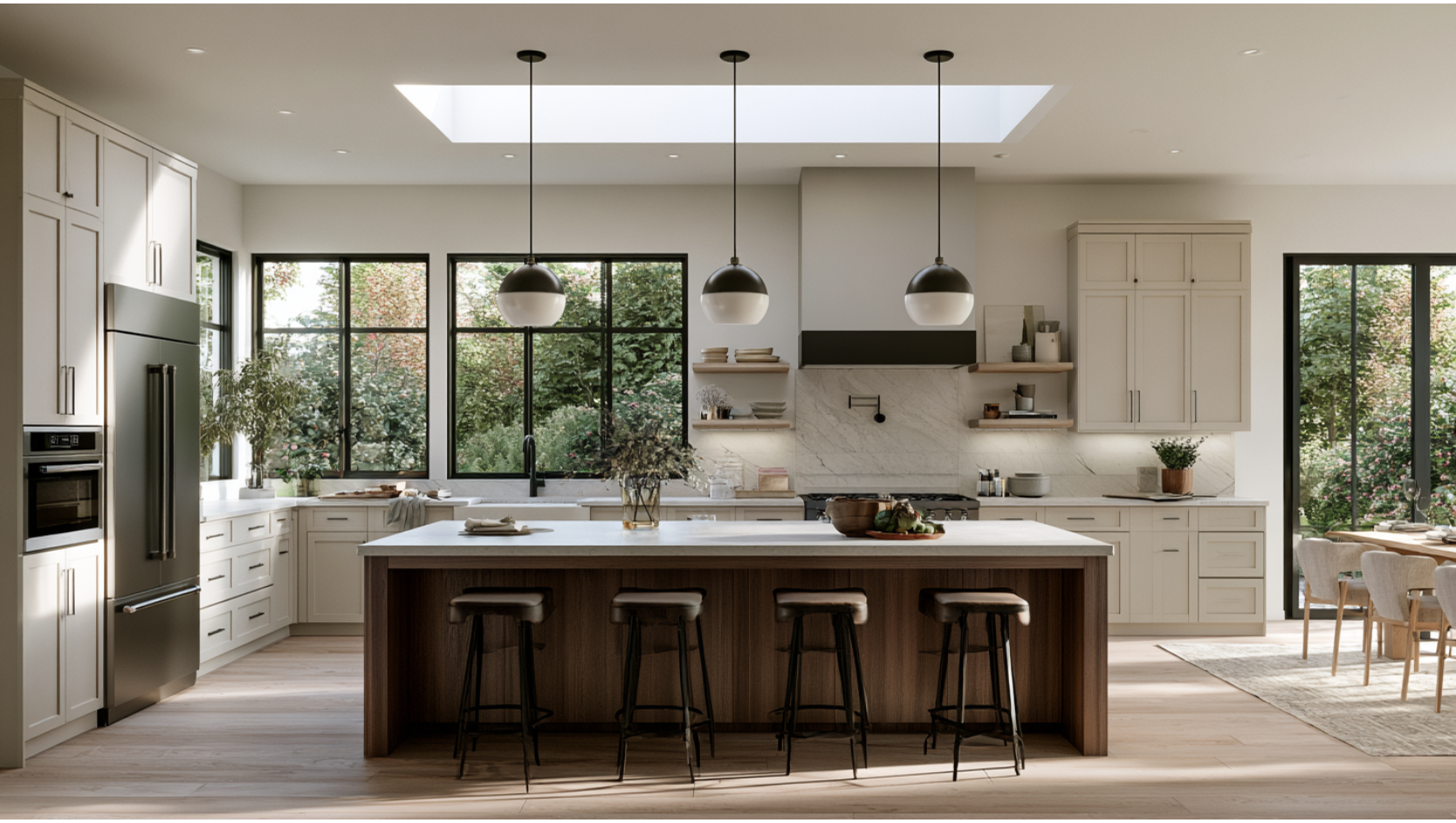
Kitchen Remodeling
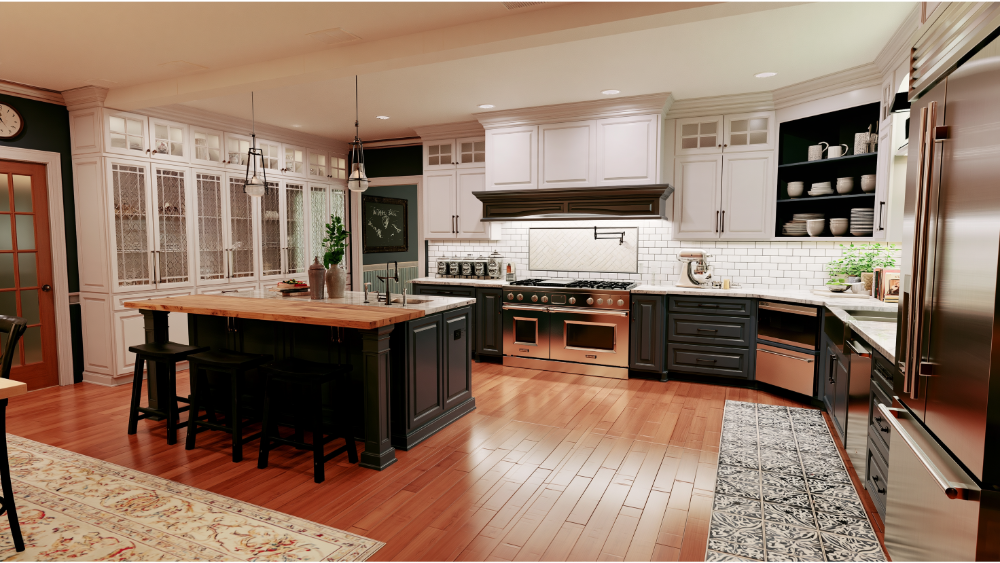
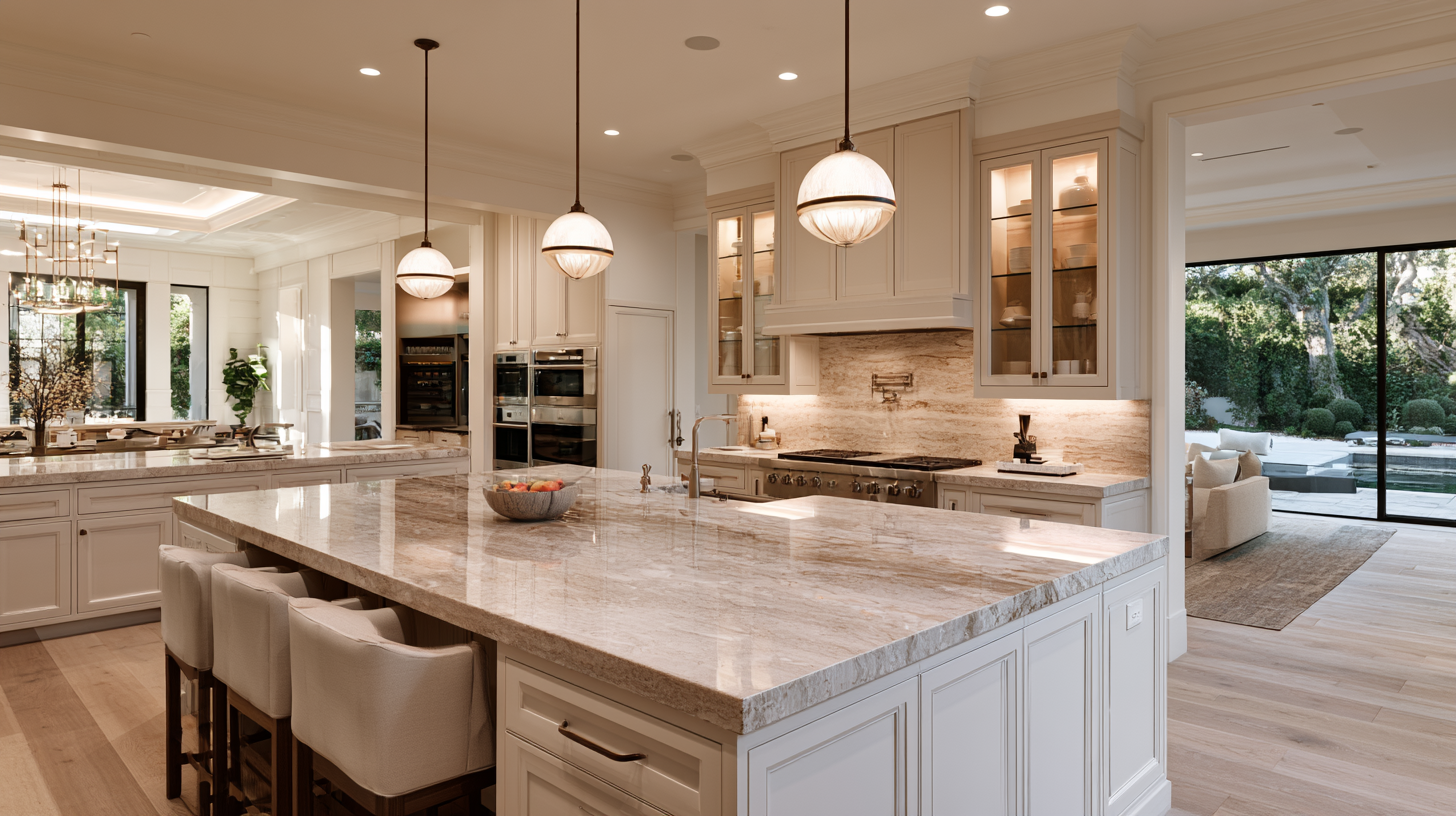
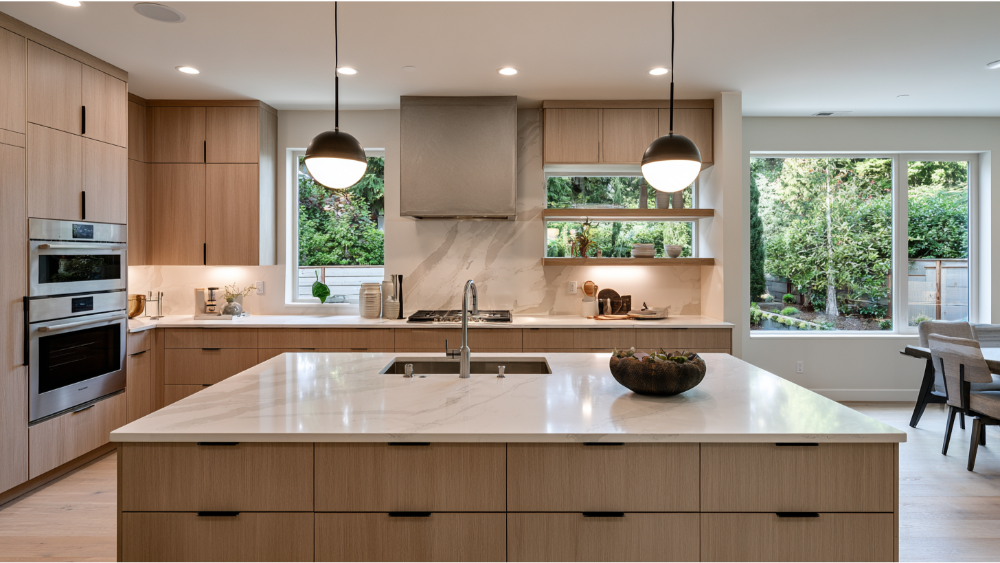
The kitchen is usually the most complex interior room. Custom cabinets, countertops, appliances, and the plumbing and electrical behind them all stack up. Changing the existing layout adds the most, since moving fixtures and appliances multiplies the trade work.
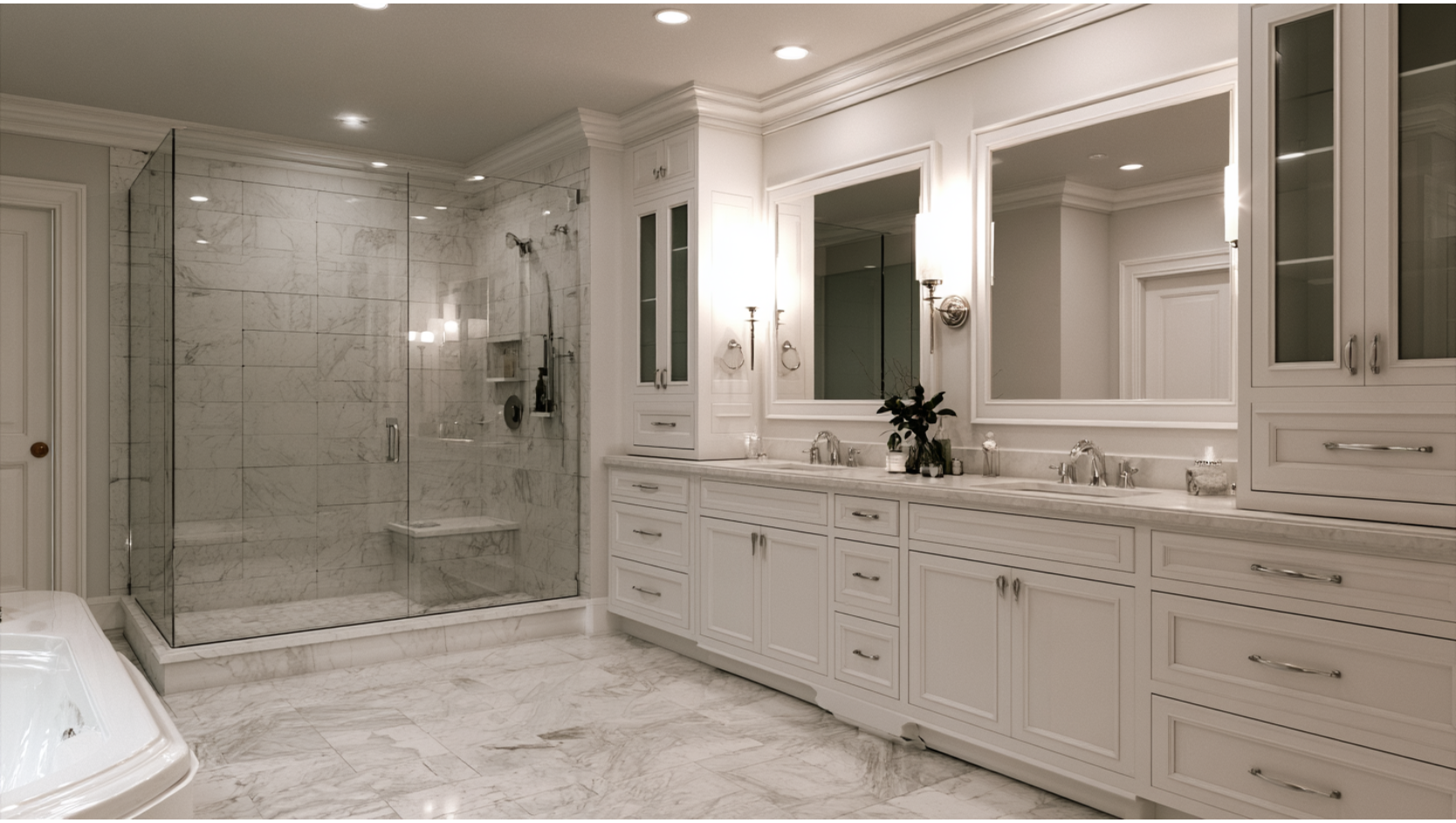
Bathroom Remodel Cost in Seattle
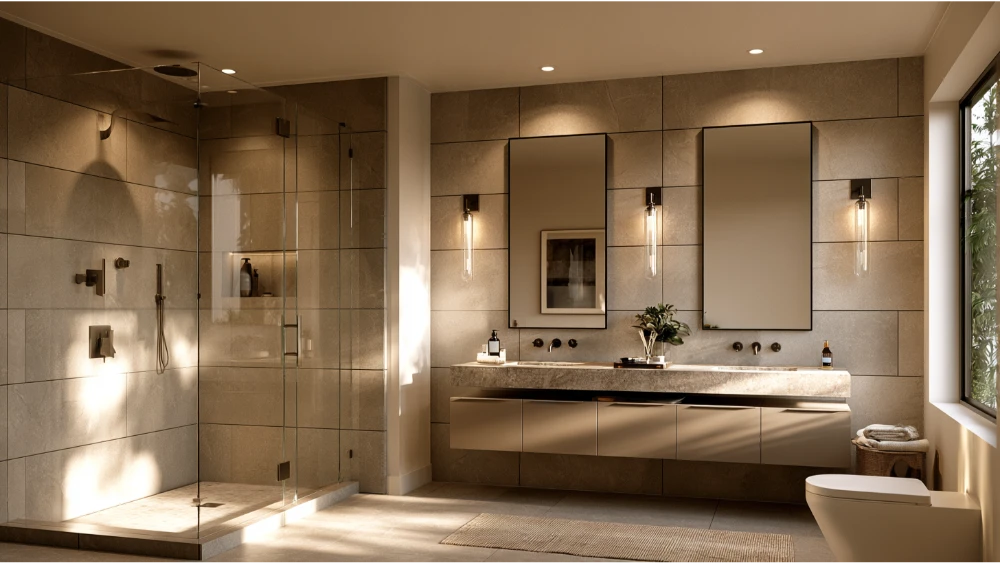
Small rooms often surprise people. A bathroom renovation carries waterproofing and plumbing that make the cost per sq ft higher than the size suggests. Custom finishes like tile, a walk-in shower, or glass shower doors add to a bathroom remodel cost, and getting the moisture details right protects the work for years. A half bath keeps things simpler, while heated floors and other luxury finishes push the final cost up. A modest bathroom remodel that keeps the existing layout will cost far less than one that relocates the tub and toilet. New plumbing lines are what turn a minor update into a major one.
Flooring, Drywall, Painting, Tile & Millwork
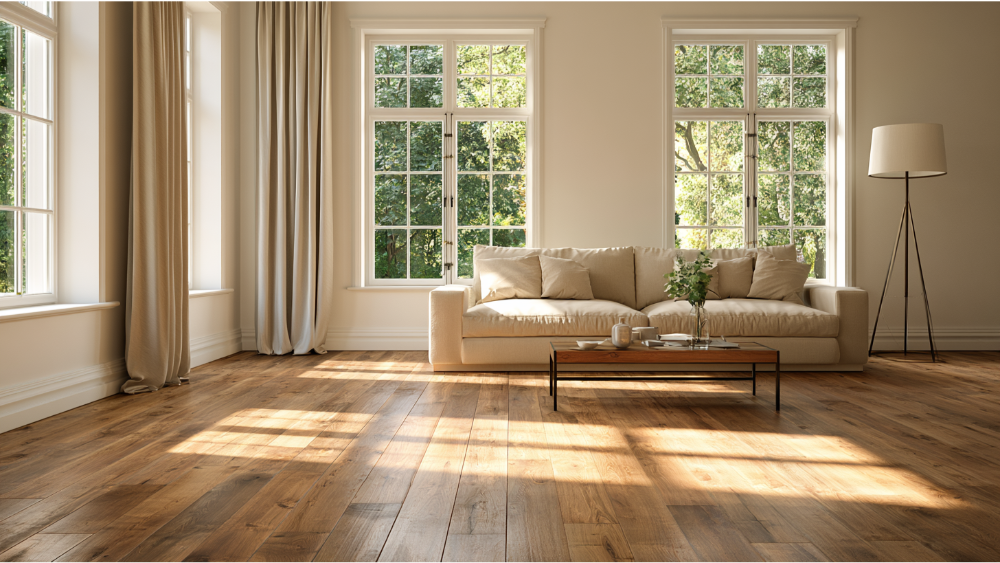
These supporting scopes scale mostly with square footage. New flooring, in particular, tracks closely with the sq ft you cover. They're often part of a larger home remodel, and the finish quality you choose shapes the price. Laundry rooms and similar spaces usually land at a lower cost because the trade work is lighter.
Basement & Whole Home Remodels
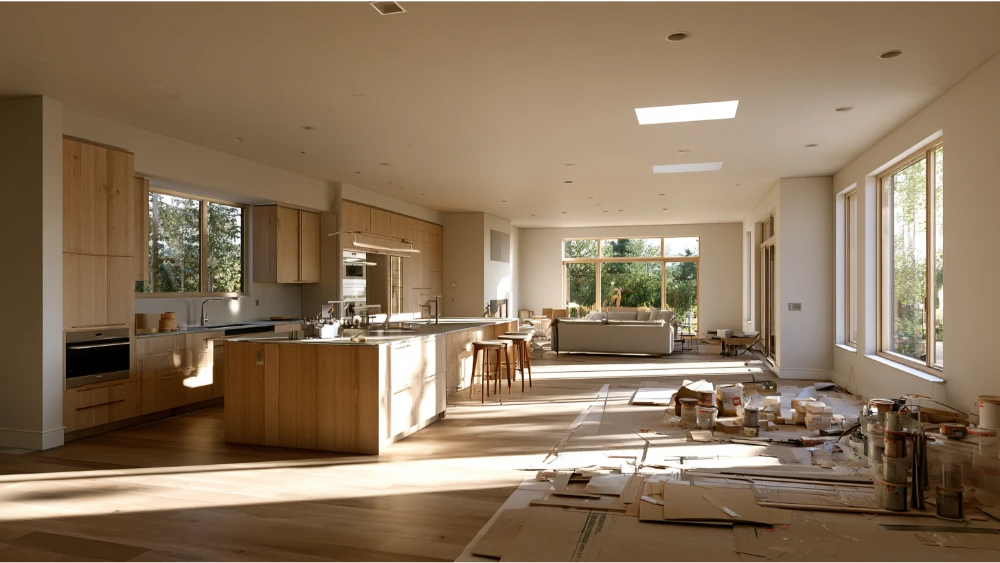
These carry the largest scope and are the projects where per-sq-ft pricing makes the most sense. The range for a whole home remodel is wide because it depends heavily on how much structural and system work is involved, and adding square footage raises the overall budget further.
For third-party context, JLC's 2025 Cost vs. Value Report publishes Seattle-specific benchmarks across kitchen, bath, and basement projects. Those are market averages, not our pricing. Your project needs a custom quote.
Key Factors That Drive Home Remodeling Costs
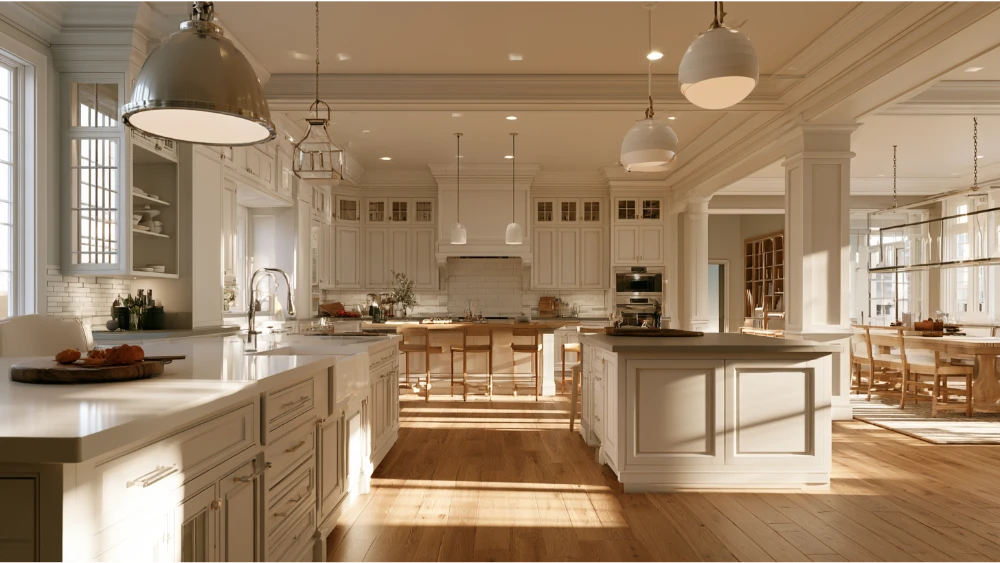
Two remodels of the same room can land far apart on price. These are the levers that move the remodel cost in Seattle:
- Size and existing layout. The bigger the space and the more layout changes you make, the more it costs.
- Structural changes. Moving walls or removing load-bearing walls often requires engineering and added construction, and structural changes are one of the biggest cost drivers in any renovation.
- Plumbing. Relocating fixtures or running new plumbing lines adds labor and permitting.
- Electrical. Electrical upgrades like updated panels, new circuits, and light fixtures all add cost, especially in older homes.
- Ventilation and air quality. Bath fans, range hoods, and HVAC tie-ins matter for function, durability, and healthy indoor air quality.
- Cabinets, countertops, tile, and flooring. Material selection is one of the biggest swings in any quote.
- Custom finishes. Tailored millwork, custom cabinetry, and specialty finishes cost more than stock options, and they show.
- Waterproofing and durable materials. The unseen details protect your investment.
- Permits and inspections. Required for most substantial interior work.
- Hidden conditions. What's behind the walls can change the plan and the cost.
We believe quality materials are non-negotiable, because cheap materials undermine even careful craftsmanship. Where it fits your project, we prioritize energy-efficient fixtures and new windows and sustainable materials whenever possible, which can also help you save money on utilities over time. If you want to cut costs, the smartest move is trimming scope early rather than swapping in materials that shorten the long-term value of the work.
Do You Need a Permit for an Interior Remodel in Seattle?
Often, yes. The Seattle Department of Construction and Inspections treats most interior remodels as work that needs a permit once you go beyond simple cosmetic updates. Understanding permit requirements early keeps your project moving forward without delays.
When a construction or addition-alteration permit is needed
SDCI guidance defines a remodel as interior changes such as moving non-structural walls. Structural changes or larger, more complicated projects require a regular building permit.
Subject-to-field-inspection option
Simpler projects may qualify for a subject-to-field-inspection permit, which is quicker. For those, Seattle notes you pay only 40% of the calculated plan review fee, which is one way to save money on a smaller home improvement project.
The minor-work exception
Seattle's guidance says minor repairs or alterations costing $6,000 or less in any six-month period usually don't need a permit, measured by the fair market value of labor and parts, even for DIY work. Load-bearing changes and reduced egress, light, or ventilation always require a permit regardless of cost.
Plumbing and gas permits
King County Public Health requires a permit whenever you install, relocate, or change plumbing or gas piping, which covers most kitchen and bath work where sinks, tubs, showers, or gas ranges move.
Fees rose noticeably in 2026 and vary by project value, size, and complexity. Confirm your specifics with SDCI or ask your contractor to handle it.
How Older Seattle Homes Can Change the Scope and Cost
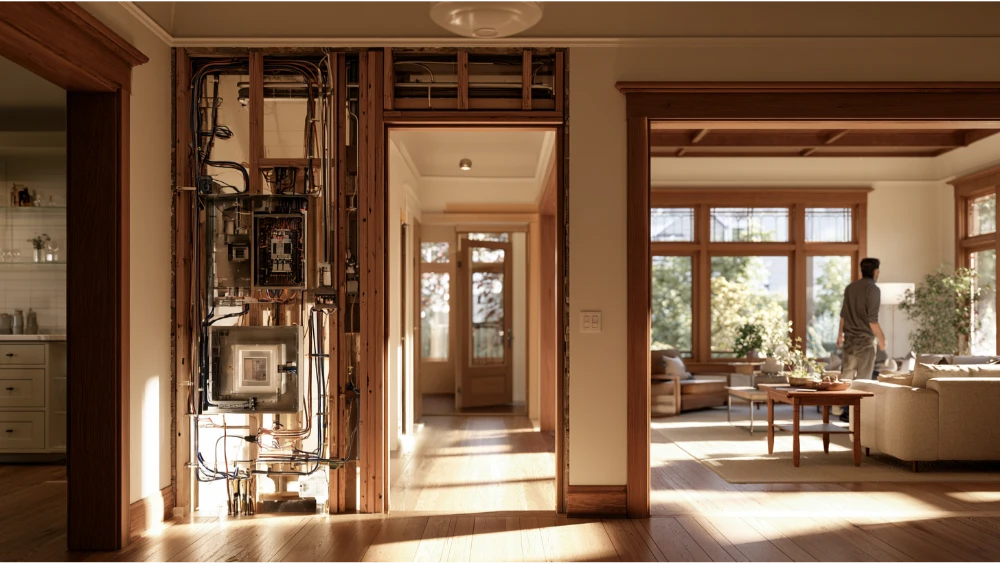
A lot of Seattle-area homes have character and history, which sometimes means old wiring, aging plumbing, framing that no longer meets code, and lead paint. The EPA's Renovation, Repair and Painting Rule applies to housing built before 1978, and it requires certified, lead-safe practices once work disturbs more than 6 square feet of painted surface inside a room (or 20 square feet outside). Those practices also protect the air quality in your home while work is underway.
Hidden conditions behind walls are the most common source of unexpected expenses on any remodel. We can't promise a project will never uncover something, but a careful walkthrough and honest planning up front surface most of it early, so fewer things catch you off guard once construction starts.
What Should Be Included in a Remodeling Estimate?
A clear scope is what protects a realistic budget. When you read any estimate, look for these:
- A detailed, room-by-room scope of work
- Itemized materials, flooring allowances, and clear labor costs
- Who pulls the permits
- What's explicitly excluded
- How change orders are handled
- Timeline assumptions
- Warranty and post-project support
This matters more than most homeowners realize. Houzz's 2026 study found 37% of renovating homeowners exceeded their planned spend in 2025, and 52% of those who went over blamed products or services costing more than expected. Vague estimates create that gap. We believe in transparent, upfront pricing and honoring what we quote, so you aren't hit with change orders after the work begins.
How to Avoid Surprise Costs and Change Orders
Most surprise costs trace back to three things: an unclear scope, changes made mid-project, and hidden conditions. You can control the first two.
The single most effective move is finalizing your material selections before construction begins. Deciding on tile, countertops, flooring, and new fixtures early removes the mid-project changes that drive overruns. Clarify every allowance so you know what's covered. And choose the right team who keeps you informed, because open communication is what keeps small questions from becoming expensive detours. This is where thoughtful planning pays off most.
You've probably heard that contractors always find extra costs. We answer that with clear pricing and steady communication. It won't erase every hidden condition in an older home, but it removes the manufactured surprises entirely.
How Oleg & Sons Approaches Cost Clarity
We're a family-owned, owner-led remodeling company based in Bellevue, and cost clarity is built into how we work. Our five-step process is designed so you always know where your remodel and your budget stand. All of our projects focus on keeping you informed.
Consultation & Planning
It starts with a free consultation where we define the scope up front, before any numbers are locked in.
Custom Design & Material Selection
We tailor the design to your home and your vision, using quality materials chosen for lasting results, and sustainable materials whenever possible.
Professional Construction
Our skilled craftsmen treat your home as their own. You get regular updates throughout, so you're never left in the dark.
Final Walkthrough & Approval
We won't consider the job done until you're completely satisfied with your remodel.
Post-Project Support
Our commitment doesn't end at handoff. Every remodeling project is backed by a full-year warranty.
Being owner-led isn't a limitation. It means personal accountability on every project, and keeping your satisfaction the top priority. With 12 years of experience and a 5.0 Google rating across 40 reviews on our site, we've built our reputation on doing it right.
Is a Seattle Home Remodel a Worthwhile Investment?
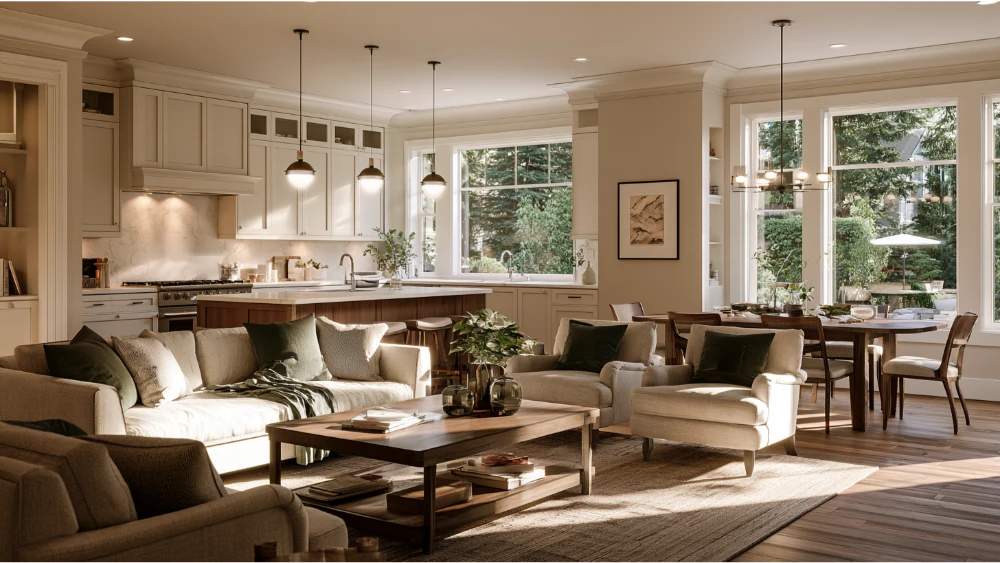
Return on a remodel depends heavily on scope and finish tier, so treat any percentage as market context, not a promise. JLC's Cost vs. Value data shows midrange projects generally recoup more of their cost than upscale ones, and basement remodels tend to return a healthy share of property value at resale. But resale is only part of the picture. A kitchen that finally works for how you cook, or a bathroom renovation that feels calm every morning, delivers value every single day. Quality materials and careful work are what make that value last, which is where we focus. For most homeowners, a well-planned home improvement project makes sense both for daily comfort and for property value.
How to Prepare for Your Free Consultation
A little prep makes our first conversation far more productive. Before we meet:
- List the rooms you want to remodel
- Separate your must-haves from your nice-to-haves
- Gather a few inspiration images
- Be honest about your budget and timeline
- Share any concerns about disruption during the work
On timelines, set realistic expectations. Houzz data shows kitchen projects average about 9.5 months of planning and 5.8 months of construction, while primary bathrooms average 8.4 months of planning and 4.8 months of work. Good remodels take time, and that's a feature.

.svg)



.webp)

.webp)