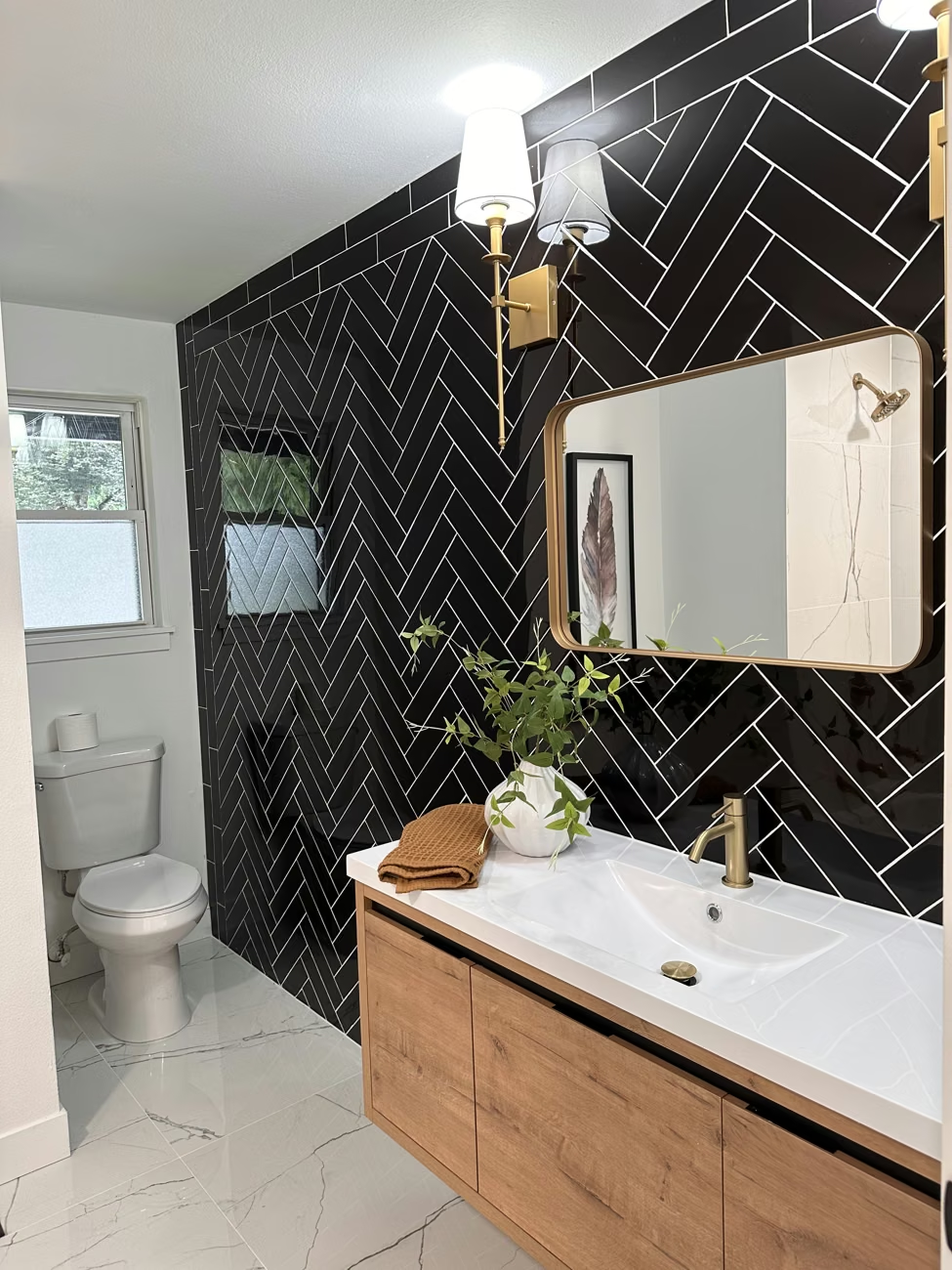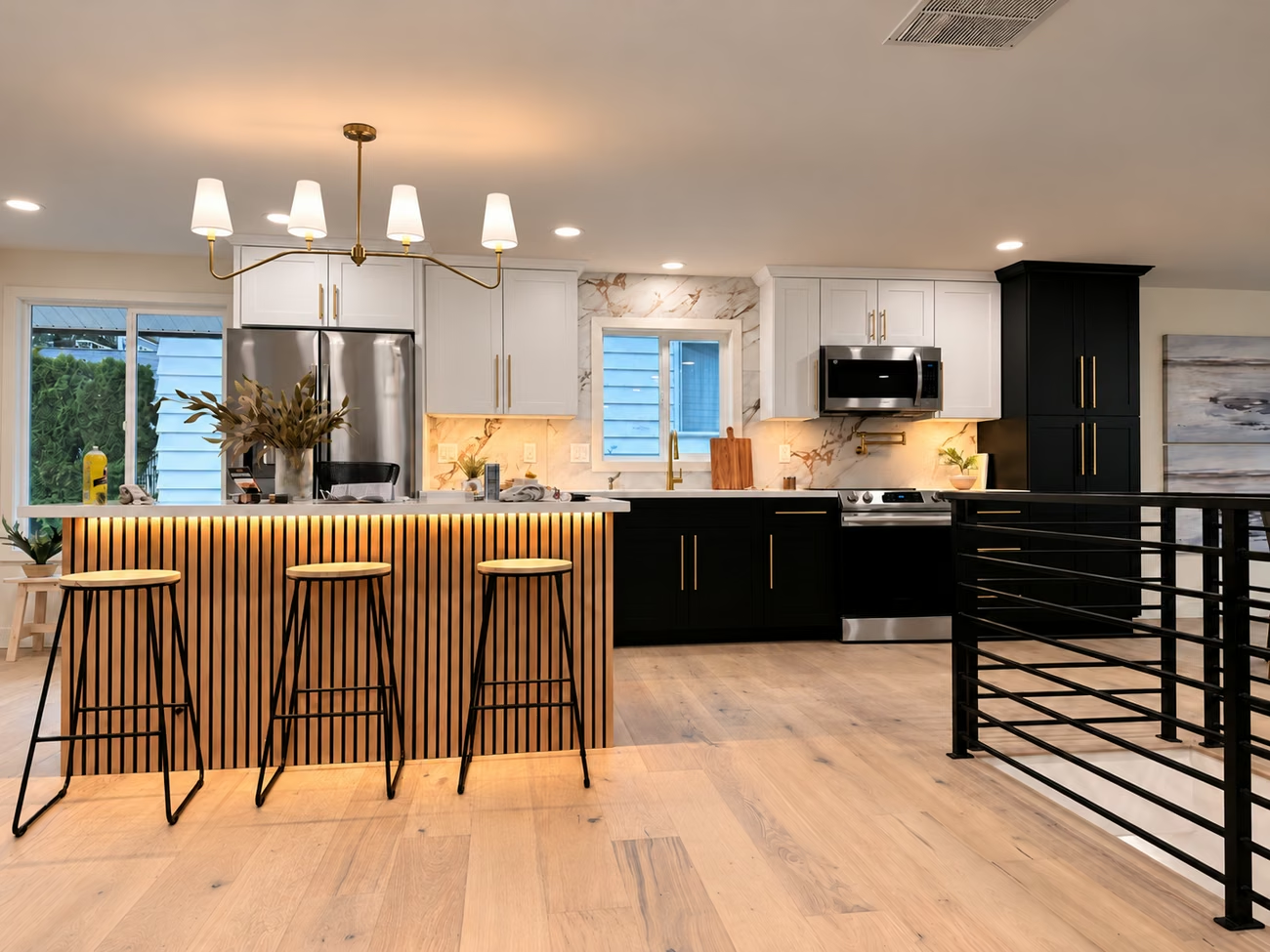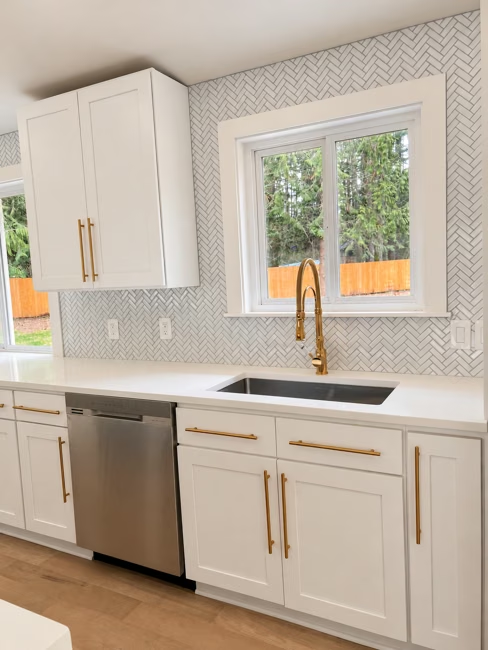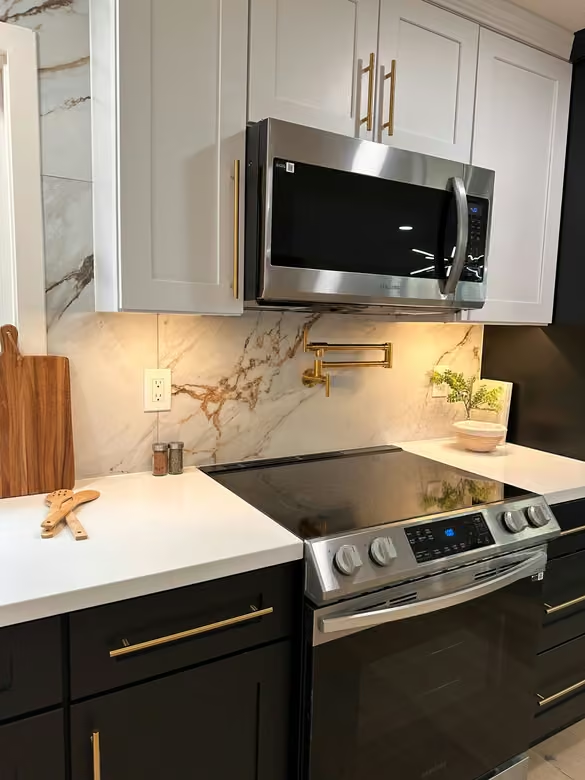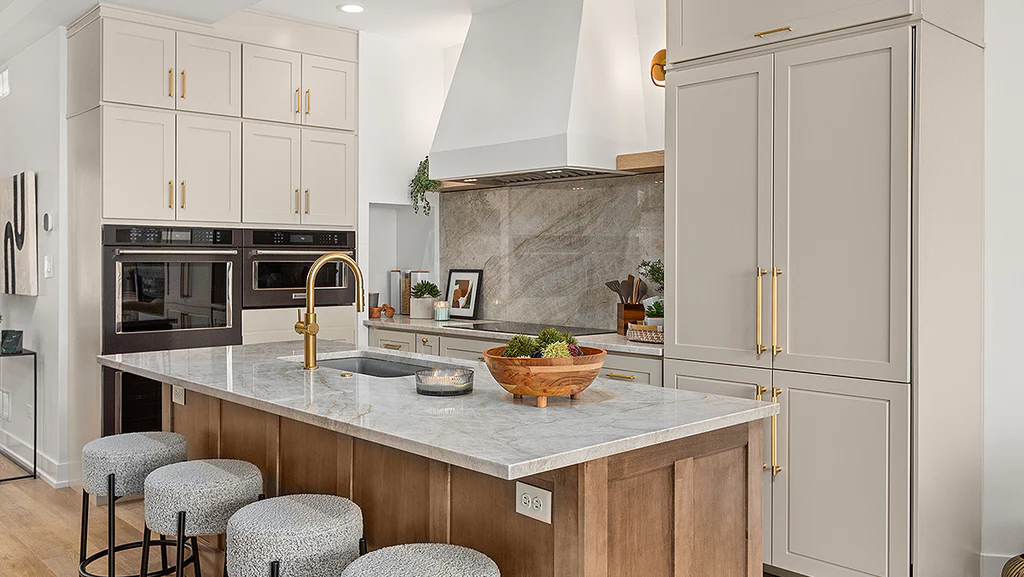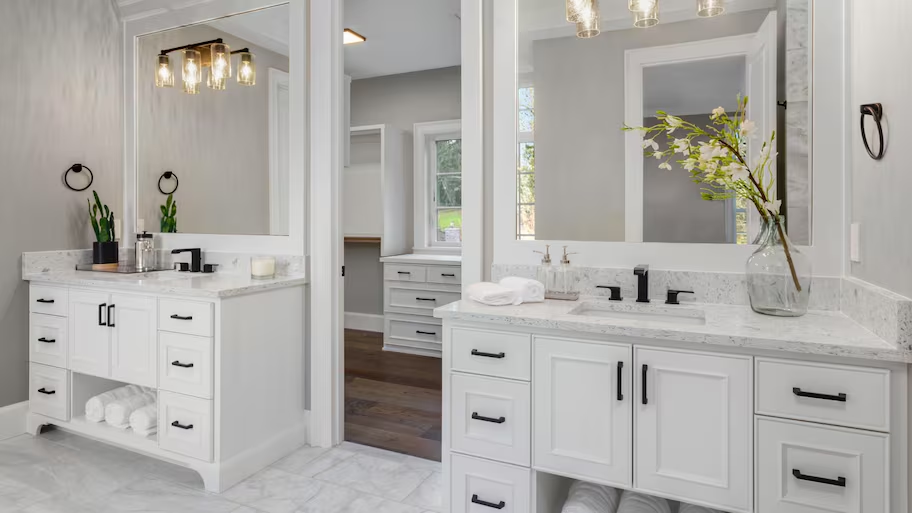


Remodeling contracting is the end-to-end planning, coordination, and construction of improvements to an existing house. A remodeling contractor turns your vision into a defined scope, coordinates design, permits, materials, and skilled trades, manages the building work and the communication around it, then closes the project with inspections, a walkthrough, and support afterward. Said more simply, a remodeling contractor runs the day-to-day job and stays accountable for price, communication, and craftsmanship from beginning to end. If you're planning a kitchen, bathroom, or whole-home project and want it done right rather than just done cheap, this is who holds everything together. A remodel is a significant investment, both financially and emotionally, so understanding how the contracting side works helps you choose with confidence.
What Does a Remodeling Contractor Actually Do?

The job goes well beyond lining up subcontractors. A good remodeling company owns the whole arc of the project and keeps the details from slipping. Here's what those services cover:
- Developing a clear scope from your goals and vision
- Coordinating design and finalizing material and fixture selections
- Pulling permits and scheduling required inspections
- Scheduling skilled craftsmen and specialty trades in the right order
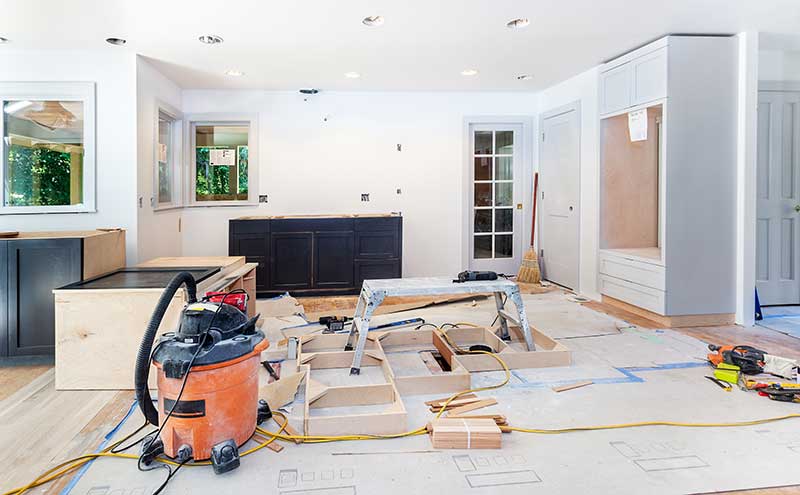
- Safe demolition to remove outdated features and prepare the space
- Managing structural alterations to the existing structure where the project calls for them
- Protecting your home and cleaning up daily
- Quality control, inspecting work against safety standards and your expectations
- A final walkthrough, warranty, and post-project support
Meticulous attention to detail is where this role earns its keep. The difference between a stressful remodel and a smooth one usually comes down to how carefully each of these pieces is managed. A contractor with real remodeling expertise anticipates problems before they reach you, which is one reason past clients describe an amazing job and great communication throughout.
Remodeling Contractor vs. General Contractor vs. Specialty Contractor
Titles and regulation vary by jurisdiction, so the lines below describe common roles rather than fixed legal categories. Choosing the right one shapes how your home renovations go.
In Washington, the general-versus-specialty distinction is a formal registration category, which we cover further down. New construction of a detached structure is a different animal from remodeling, though the same team can often handle both.
When Should You Hire a Home Remodeling Contractor?
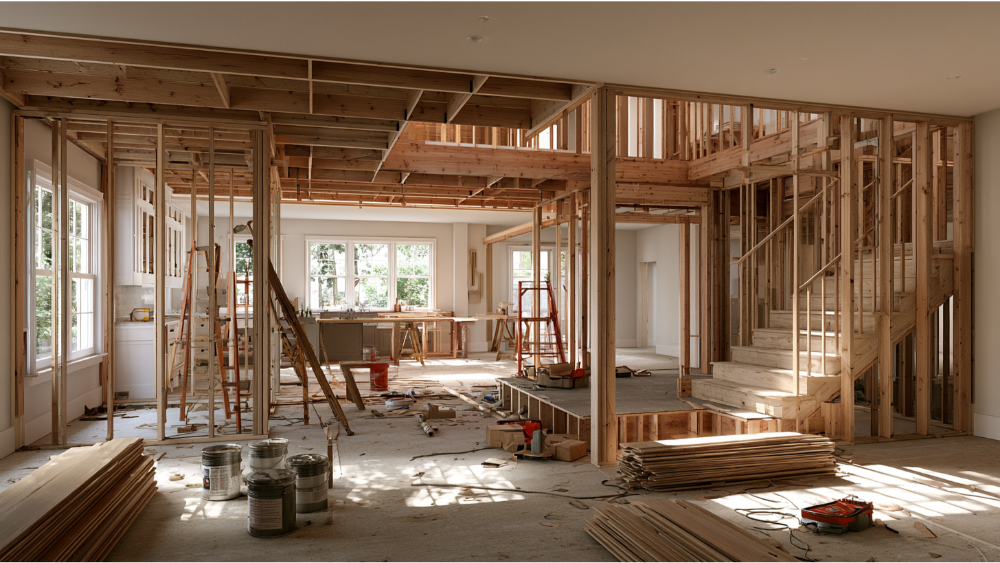
A remodeling contractor makes the most sense when a project touches several trades or changes how a space works. Common cases include:
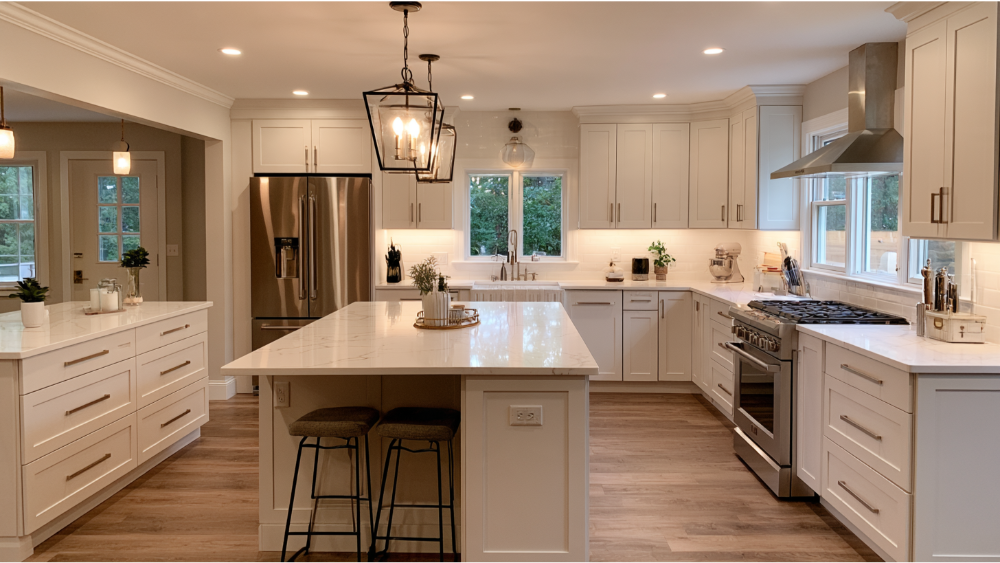
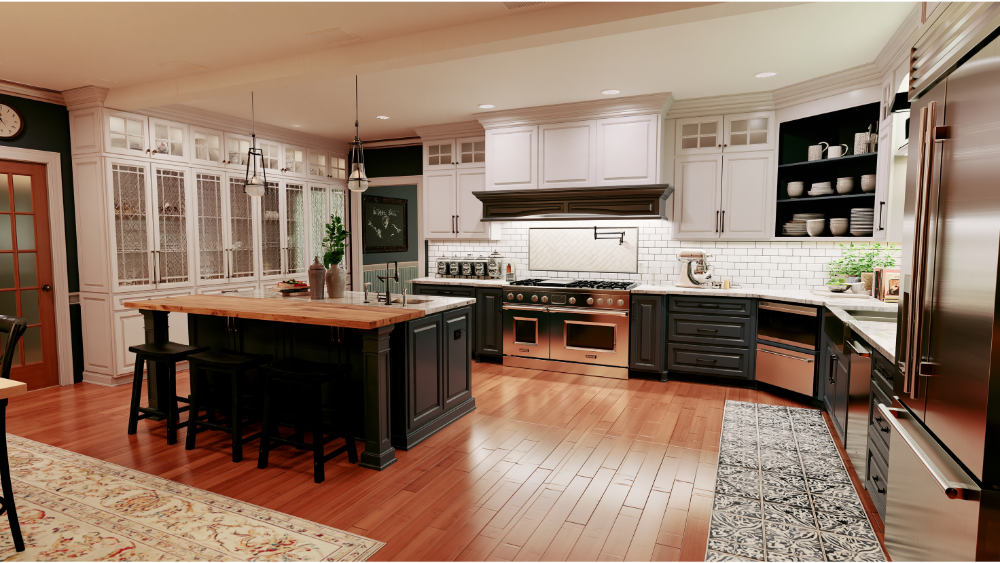
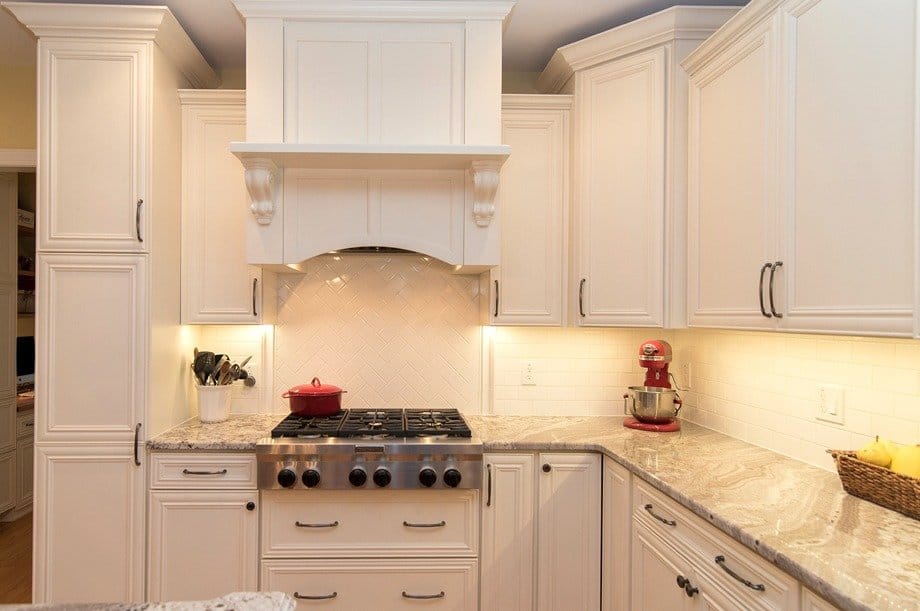
- Multi-trade kitchen remodeling projects with custom cabinetry and fixtures
- Bathroom remodeling involving plumbing, electrical, ventilation, waterproofing, and new shower enclosures
- Structural changes to the layout, such as removing or moving walls to open up more space
- Basement remodels, where moisture and utility locations need planning
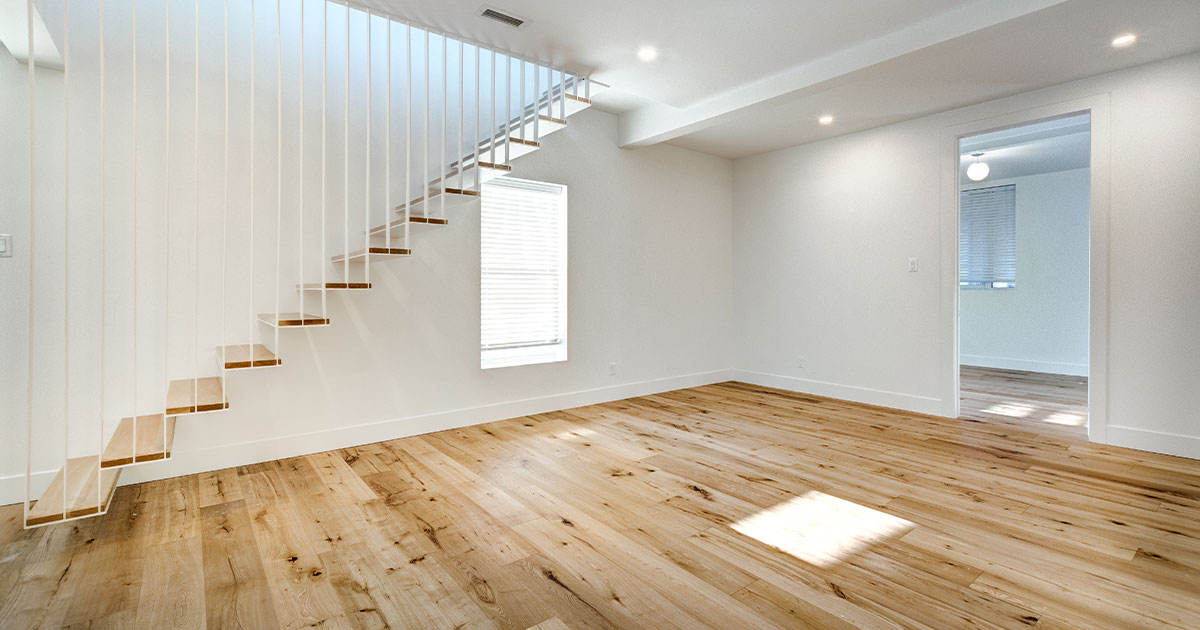
- Whole-home renovations, often needed as homes near 20 years and show their age
- Home additions, a new addition, or any project that needs design and building coordinated together
- Interior and exterior updates planned together, so the whole house reads as one cohesive result
- Outdoor living work like covered porches or outdoor kitchens that extend your lifestyle beyond the walls
If your project is a single trade, like new flooring, fresh painting, or a tile backsplash, a specialty contractor may be all you need. Larger, tailored work benefits from one accountable team that matches your remodeling needs.
The Five-Step Remodeling Contracting Process
A reliable process is the backbone of a smooth remodel. We organize ours into five clear steps.
- Consultation & Planning. We start with a free consultation to understand your vision, goals, and the parameters of the project before any work begins.
- Custom Design & Material Selection. We finalize a tailored design and select quality materials, using sustainable materials whenever possible, and lock in choices early so there are no gaps once construction starts.
- Professional Construction. Our skilled craftsmen do the building work while protecting your home, with daily communication so you always know what's happening.
- Final Walkthrough & Approval. We walk the finished space together, resolve any punch-list items, and don't call it done until you're satisfied with the final result.
- Post-Project Support. The relationship continues through the warranty, and we stay available for future projects if anything needs attention.
How to Verify a Remodeling Company and Its BBB Rating Before You Hire

Before you sign anything, confirm you're working with a professional business that can back up the quality they promise. Run through this checklist:
- Registration or licensing required in your jurisdiction
- Insurance and workers' compensation coverage
- Experience and proven expertise on projects comparable to yours
- Before-and-after and in-progress photos you can study up close
- References from similar renovations and past customers
- Who on the team personally manages your project day to day
- Warranty terms and post-project support
- Reputation signals like online reviews or a BBB rating
Comparing multiple written bids is standard practice and helps you judge value, not just how much money you spend. Detailed construction drawings are a good sign of a professional who plans carefully. A contractor that clearly explains how it will specialize in your type of project is worth a closer look.
What a Remodeling Proposal and Contract Should Include
A strong contract prevents most disputes before they start. Transparent pricing and a clear written estimate are the foundation of a project you can trust.
How Clear Scope Prevents Surprise Costs and Change Orders

The fear that contractors always find extra costs is fair, and it usually traces back to a fuzzy scope. There are two kinds of changes during a remodeling job: ones you request, and concealed conditions discovered once walls open, like old wiring or hidden water damage in the existing structure. Both should be handled with written approval before the new work begins, so pricing never moves without your sign-off. Finishing your selections early removes another big source of mid-project change. We've built our reputation on honoring quoted costs, and customers regularly tell us there were no surprise change orders. Clear planning is what makes that possible, and it's a big part of a great experience.
What Open Communication Should Look Like During a Remodel
You should never feel left in the dark once the crew shows up. Good communication isn't a vague promise, it's a set of habits: a named point of contact, a regular update schedule, decisions documented in writing, and advance notice of shutdowns, inspections, or schedule changes. You stay involved in the concept as it takes shape. We believe communication is the foundation of a good remodel, which is why we keep you informed throughout the project rather than going quiet between milestones.
What Remodeling Contracting Means in Washington
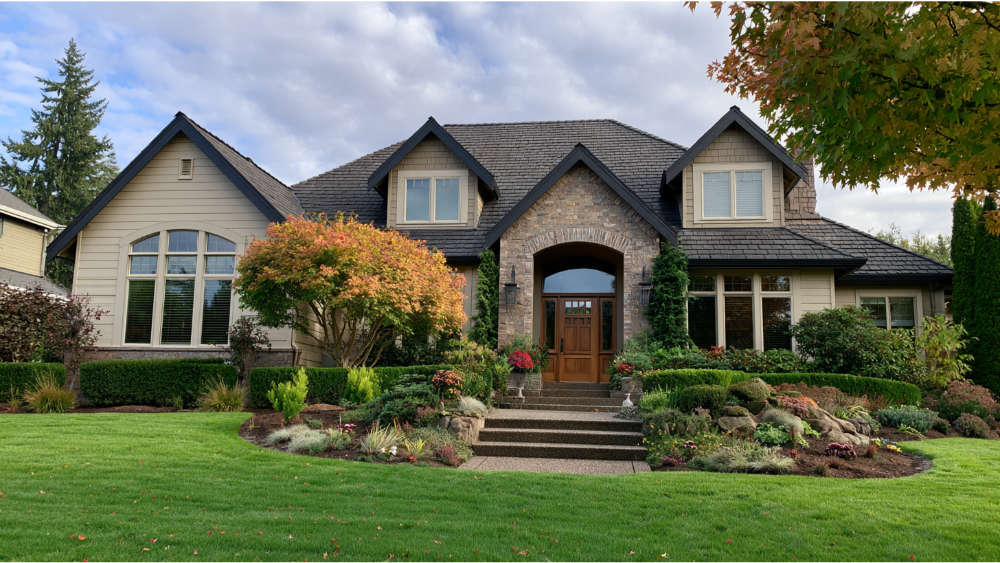
Washington handles contractor oversight differently from many states, and the distinction matters. The state registers construction contractors through the Department of Labor & Industries (L&I) rather than testing general competency. General contractors can perform multiple trades and hire subcontractors; specialty contractors are limited to their registered trade. Registration requires a minimum continuous bond of $30,000 for general contractors or $15,000 for specialty contractors, plus liability insurance of either $200,000 public liability with $50,000 property damage, or $250,000 combined single limit. Use L&I's Verify tool to check registration, bond, insurance, workers' compensation, and any infractions. A bid or contract of $1,000 or more triggers a required disclosure statement (RCW 18.27.114), which the company keeps for three years. Construction liens generally must be filed within 90 days of work stopping, with a copy mailed to the owner within 14 days, so request lien releases before final payment. Electrical and plumbing work carry separate credentials, and lead (homes built before 1978, with firm certification valid five years) and asbestos duties depend on the materials, not just a home's age. If a project goes seriously wrong, Washington's Homeowner Recovery Fund may offer up to $25,000 under specific conditions for judgments after July 1, 2026.
Bellevue Permits: Nonstructural vs. Structural Remodeling
In Bellevue, many kitchen and bathroom remodels and non-bearing-wall work can qualify for a single-family remodel permit without plan review, sometimes issued the same day, though inspections are still required. Structural changes, like moving a load-bearing wall, adding a beam, enlarging window openings, converting a basement, or building out unfinished space into a new bedroom or home offices, need plans and review. Bellevue's published first-decision target is about 14 days with a 10-day revision cycle, which are review targets, not total timelines. Electrical, mechanical, and plumbing permits apply separately. Because code editions change, confirm current city building requirements before construction.
Energy Efficiency and Lasting Finishes
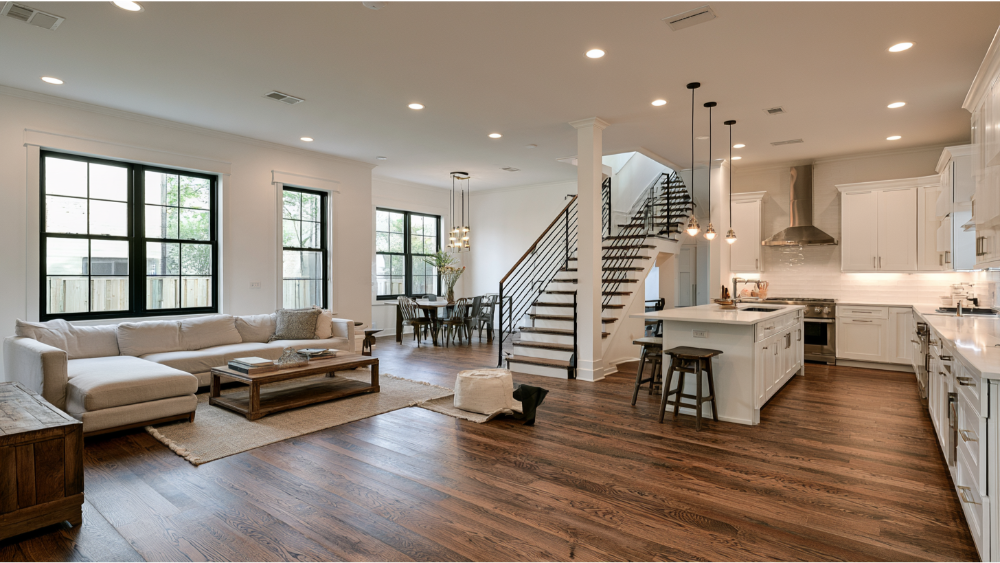
A remodel is also a chance to improve energy efficiency, from better insulation to higher-performing windows that cut drafts and lower bills. Choosing durable, quality materials protects that investment, so the aesthetic you love today still holds up years from now. Thoughtful choices here enhance both comfort and the long-term value of your home.
What Should Happen Before You Make the Final Payment
Hold your final payment until the project is genuinely complete and documented. Before you write that last check, make sure:
- Final inspections have passed
- The walkthrough is done and every punch-list item is resolved
- You have lien releases from major subcontractors and suppliers
- You've received care and operation information for new finishes and fixtures
- Warranty documentation is in hand
- You know who to contact after the project closes
Can Insurance Help Cover Remodeling After Property Damage?

When a remodel follows water, fire, or storm damage, a homeowners insurance claim can help recover costs to repair and rebuild. Thorough documentation makes or breaks those claims, so photograph the damage and keep records of everything. Acting fast matters, especially with water, since mold can take hold within 24 to 48 hours. Working with a contractor who understands how damaged areas need to be rebuilt to code keeps the repair and the claim aligned.
Why Owner-Led Accountability Matters for a New Home Feel
Homeowners sometimes wonder whether a smaller, family-owned team can handle their project. In practice, owner-led usually means tighter accountability, not less capability. Decisions get made faster and clearer when the principals are personally involved, and craftsmanship standards stay consistent because the same people answer for the result, whether you want a luxury kitchen or a whole new home feel after a full renovation. At Oleg & Sons, we're a family-owned remodeling company based in Bellevue with 12 years of experience, a full-year warranty, and a 5.0 Google rating across 43 reviews as stated on our site. Our business serves homeowners throughout King and Snohomish counties, including Seattle, Sammamish, and Everett. We're proud of our work, and our craftsmen treat each home as if it were their own, because a remodel touches the way you live every day.
Start Your Home Remodeling Project With a Free Consultation

A smooth remodeling experience comes from clear planning, tailored design, quality materials, open communication, and documented accountability from start to finish. Whether you're creating a brighter kitchen, reworking a tired bathroom, or planning the future of your whole house to fit your life, let's start planning together. Take the first step toward transforming your dream home with a free consultation. You'll find our offices at 14205 SE 36th Street, Suite 100, Bellevue, WA 98006, and we'd be glad to talk through your vision.